Wet‑weather driving tips to keep you safe
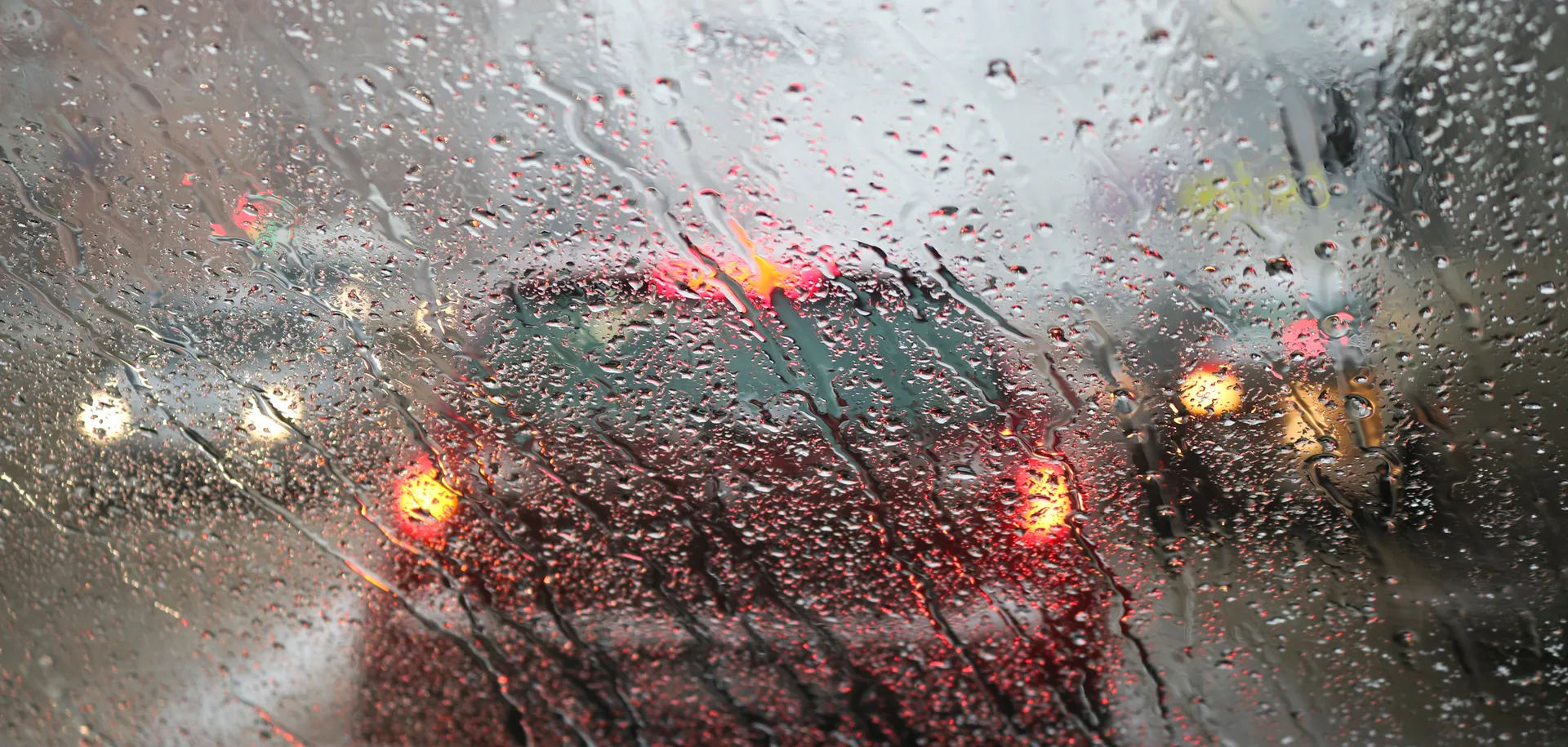
Driving in the rain can be risky, especially when conditions change quickly. Learn how to prepare your car, avoid common mistakes and know when it’s safest to postpone the trip.
After the sun comes rain, and sometimes a lot of it. Wet weather is one of the most dangerous times to be on the road.
Visibility drops, stopping distances increase and even familiar Sunshine Coast roads can become hazardous quickly.
Here’s what to think about before you drive, how to stay safe if you must travel and the key moments when the safest option is simply not to go.
Why driving in the wet is risky
Rain changes the road surface almost instantly. The first few minutes are the most dangerous because oil and grime rise to the surface and make the road slippery.
Heavy rain also reduces visibility for all road users, including drivers, cyclists and pedestrians. Longer stopping distances, reduced traction and unexpected puddles can all contribute to a higher risk of losing control.
What to check before you start the car
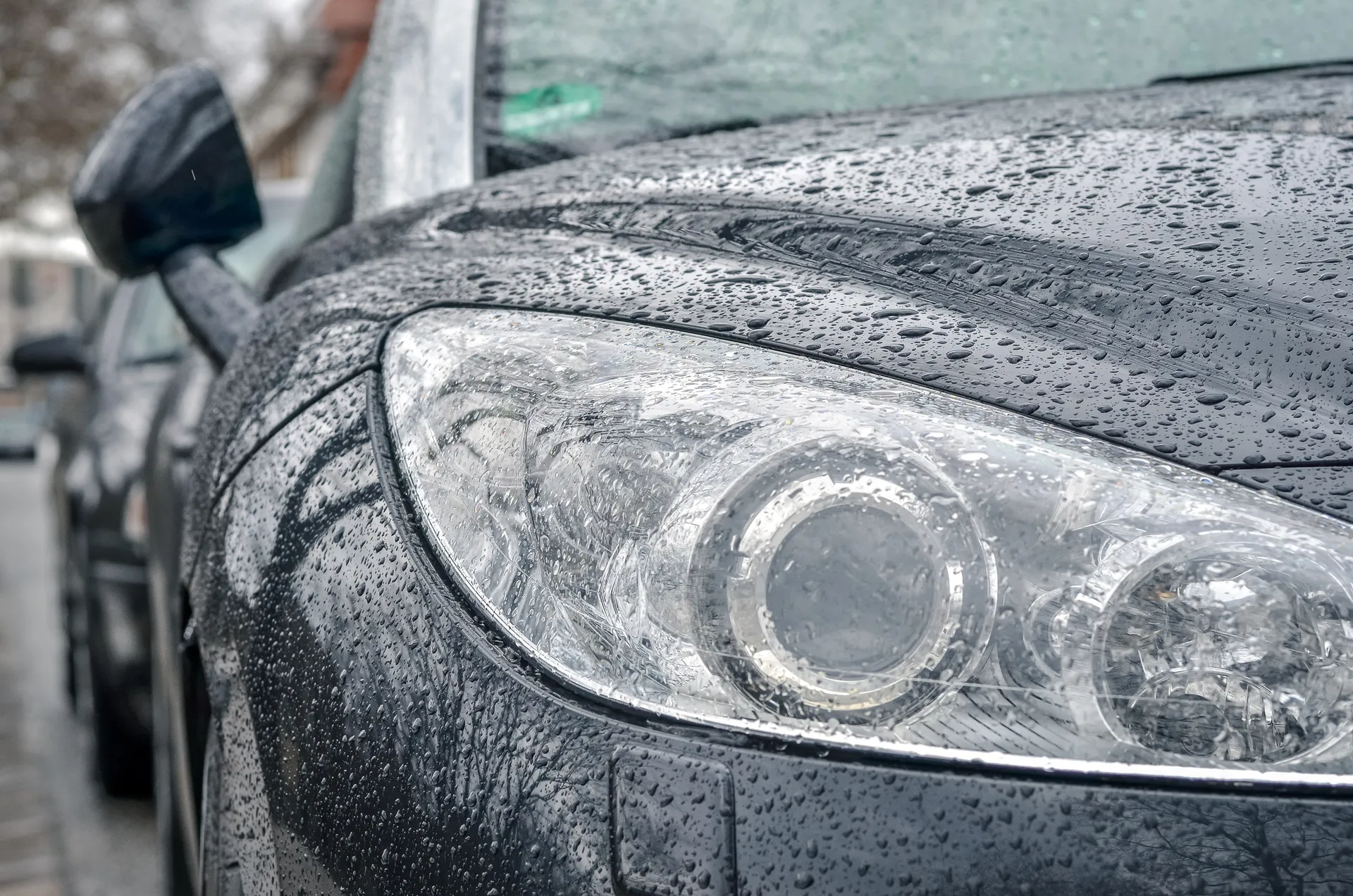
A few simple checks before leaving can make your journey much safer.
Tyres
Tyres need good tread to disperse water and maintain grip. More tread means better safety in the wet.
Wipers
Replace your wipers if they streak, skip or leave smudges. Good wipers are essential for clear visibility.
Lights
Make sure headlights and tail-lights are working so you can see and be seen.
Ask yourself: do I really need to go?
If the rain is heavy or conditions are worsening, consider delaying your trip until the weather improves.
How to drive safely in wet weather
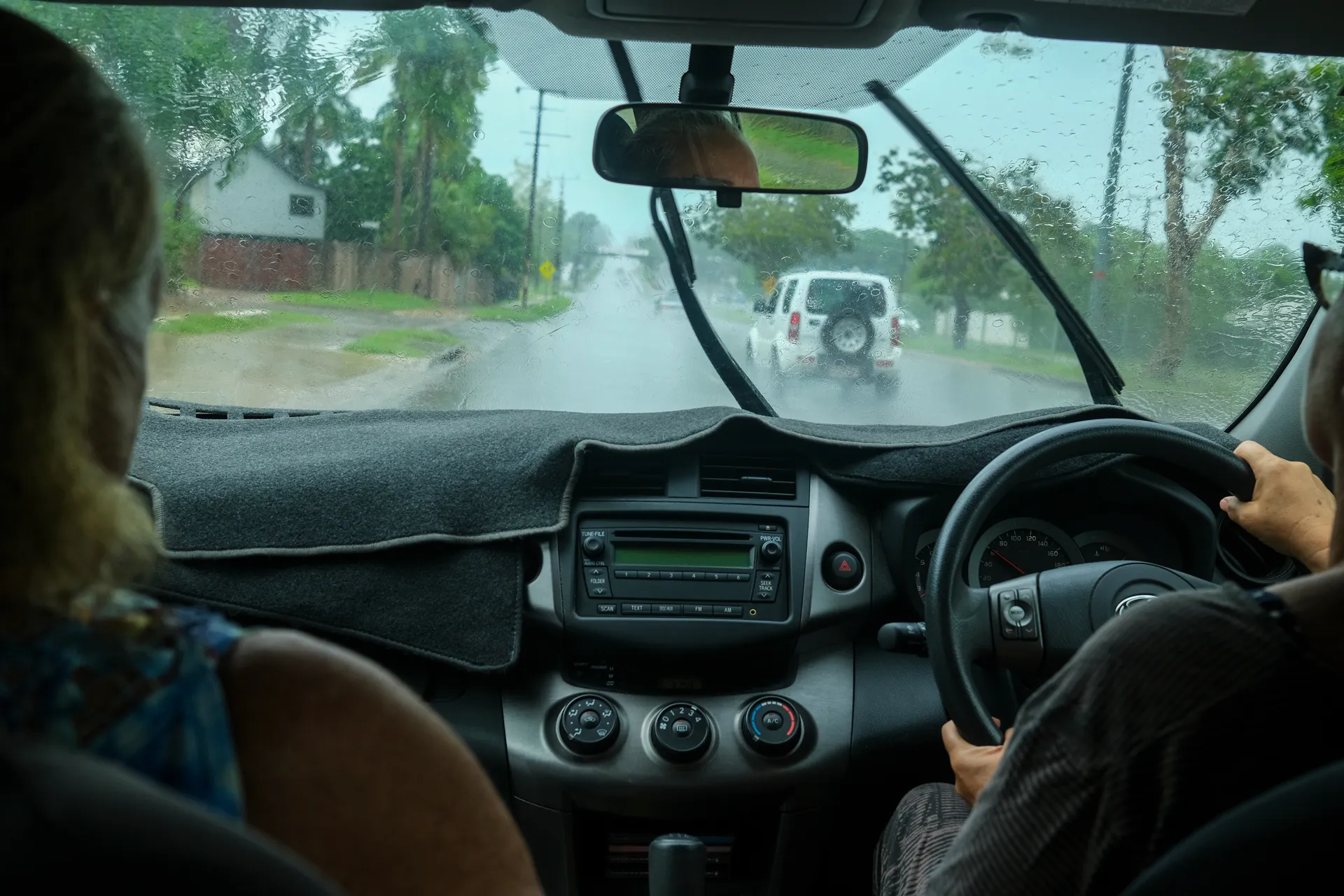
Slow down
Slower speeds give you more time to react and reduce the risk of skidding.
Increase your following distance
Leave at least five seconds between you and the vehicle in front. Wet roads mean longer stopping distances.
Use your headlights
Turn on low‑beam headlights so you’re visible to other road users.
Avoid puddles
Puddles can hide potholes or deeper water that may damage your vehicle or cause you to lose control.
Clear your windscreen
Use the demisters and air‑conditioning to prevent fogging.
If you hydroplane
Ease off the accelerator and steer gently in the direction you want to go. Avoid sudden braking.
Five common mistakes drivers make in the wet
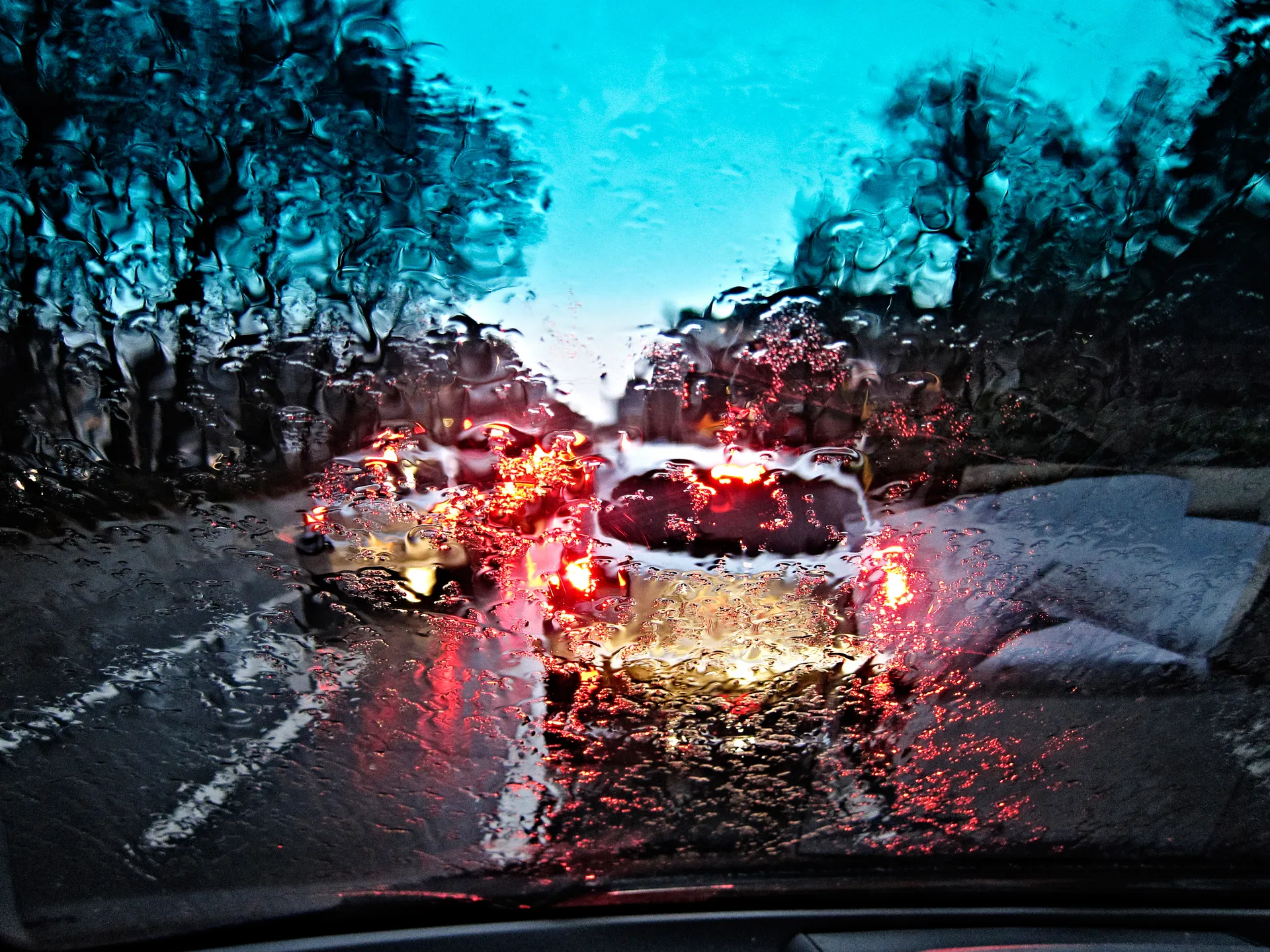
1. Driving through floodwater
Floodwater depth is extremely hard to judge. Even shallow water can stall your engine or sweep your car sideways. Always turn around.
2. Braking suddenly
Hard braking increases the chance of skidding. Brake early and gently.
3. Not using headlights
Some drivers assume rain isn’t “dark enough” for headlights. Lights help other road users see you, especially in heavy coastal rain.
4. Following too closely
Rear‑end crashes increase in wet weather. More space means more time to react.
5. Underestimating slippery conditions after dry weather
After long dry spells, built‑up oil mixes with rain to create a slick surface. The first hour of rainfall can be the most dangerous.
When to ditch the drive altogether
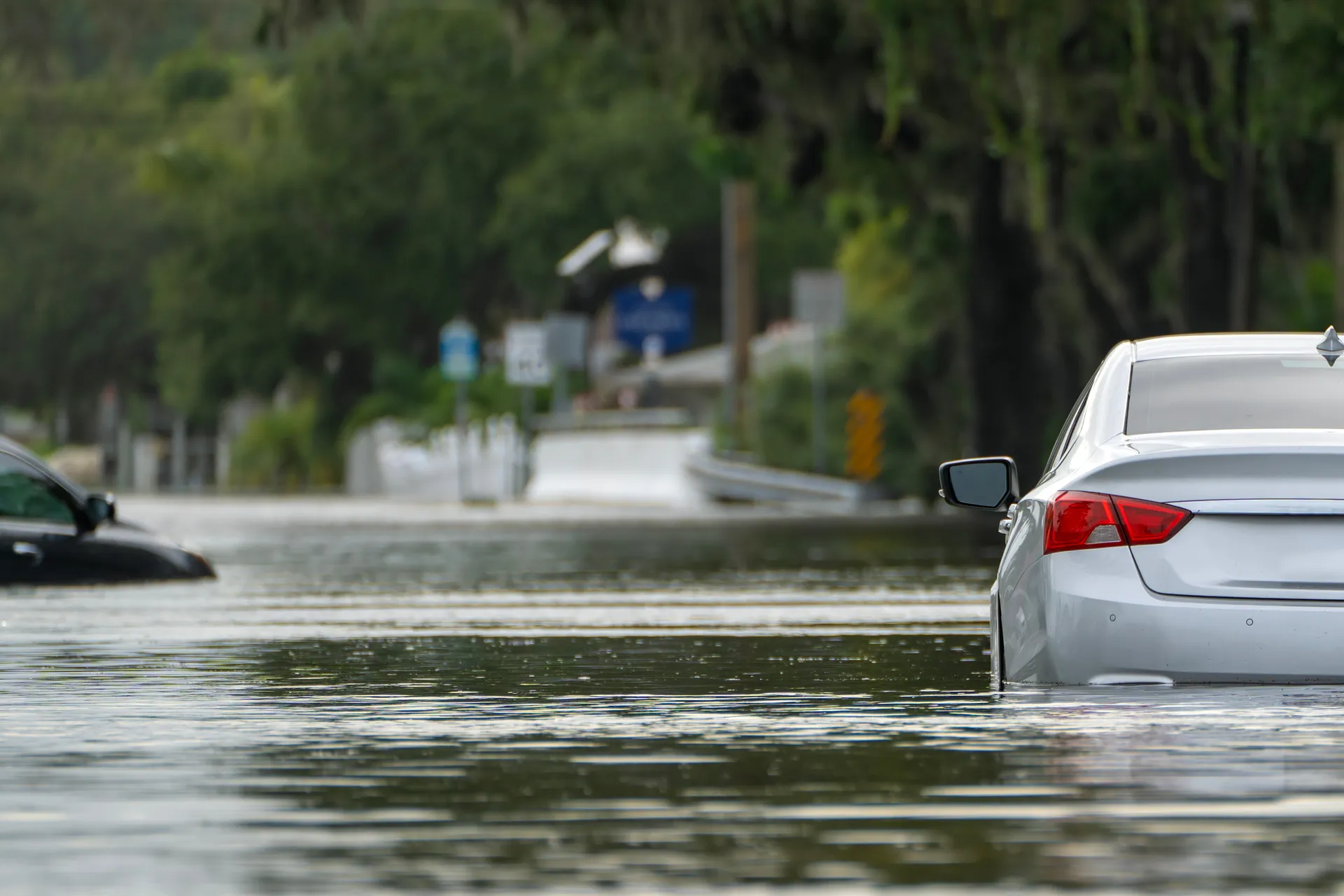
Flooded or partially flooded roads
Never drive through floodwater. If water is across the road, choose another route.
Poor visibility
If you cannot see lane markings, lights or the road ahead, it’s safer to pull over or delay your journey.
Storm or severe weather warnings
If heavy storms are forecast or already hitting, waiting it out is often the safest choice.
What to always keep in your car for emergencies

Here are eight items worth keeping in your car during storm season:
- a small torch with spare batteries
- a fully charged phone power bank
- a first‑aid kit
- a hi‑vis vest for roadside safety
- a rain poncho or compact umbrella
- a towel for drying seats or clearing condensation
- a basic tool kit and tyre gauge
- a printed list of emergency contacts
These can make an unexpected stop or long delay safer and more comfortable.
Sunny Coast weather
Rain on the Sunshine Coast can arrive fast and in intense bursts. Slowing down, preparing your vehicle and making smart decisions about when to travel can keep you and others safe on the road. If in doubt, wait it out. No trip is worth risking driving through dangerous conditions.
Sunshine Coast Council Disaster Hub
Disaster Hub brings together disaster and hazard related information from within Council and external sources, building community disaster resilience, raising community awareness to natural hazards and risks, and protecting communities during disaster events.
Disaster Hub provides comprehensive, centralised and real-time data for collection and analysis by accessing Councils geospatial layers and external open source data feeds. The platform is intuitive, easy to use and can identify multiple types of hazard risks to improve disaster resilience and mitigate risks associated with disaster events.
Providing up to the minute information and intelligence, essential information for the community, emergency service agencies and Council to ensure that the best decisions are made before, during and after disaster or emergency events.
Categories: