Turn your clutter into cash with AI
Make decluttering easier. Use AI to spot what’s worth selling, set prices and give household items a second life on the Sunshine Coast.
What many people don't realise is that this clutter could be worth hundreds of dollars. Those forgotten gadgets, toys, tools and appliances can be turned into quick cash and kept out of landfill.
Decluttering feels great, but listing and pricing items can be tedious. The good news is that artificial intelligence (AI) can do much of the heavy lifting. With just a few photos and a simple question, AI can identify saleable items, estimate value and even write your listings.
Before you reach for the bin bags, try these practical steps to recoup some value and give your unwanted items a second life.
Where to start
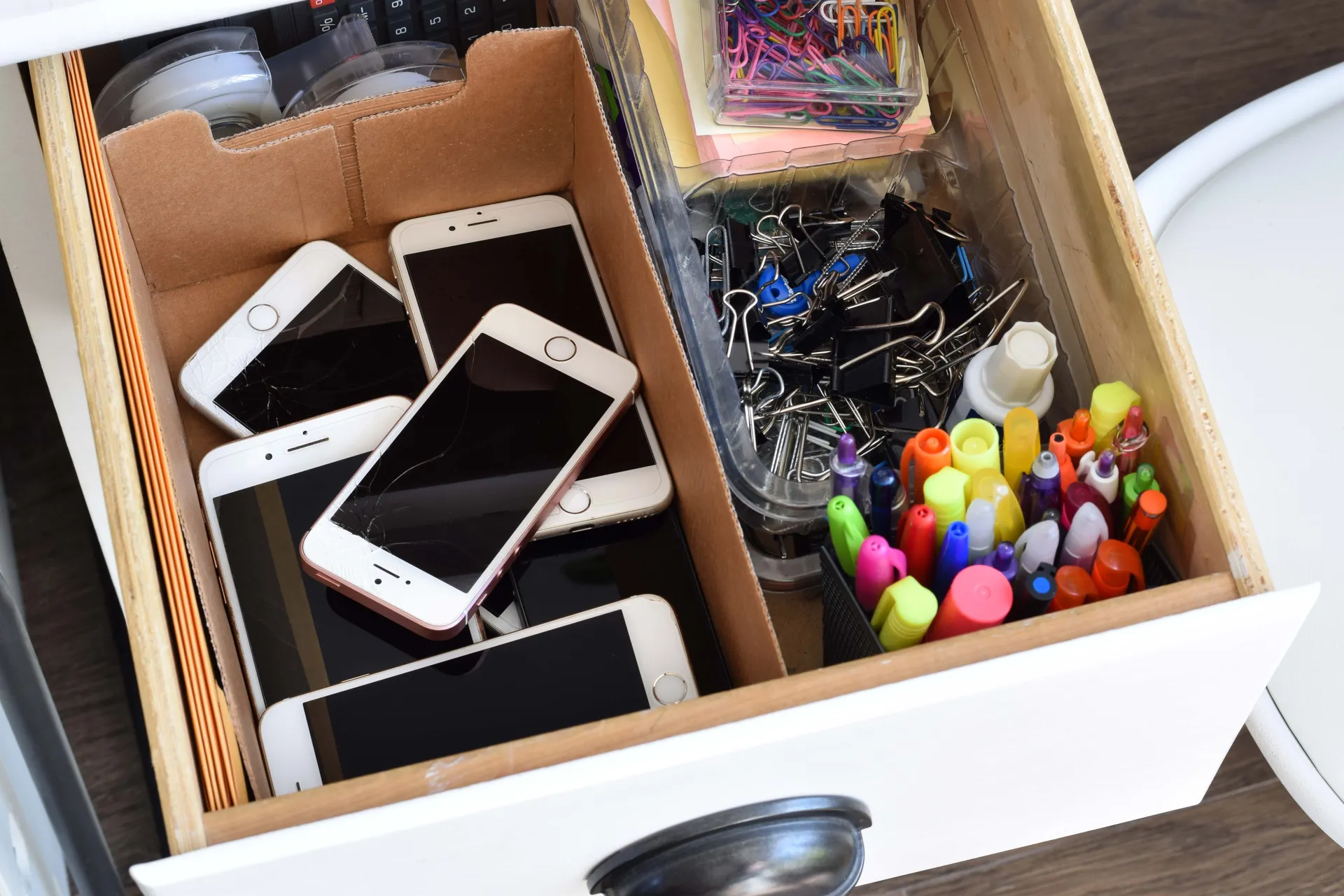
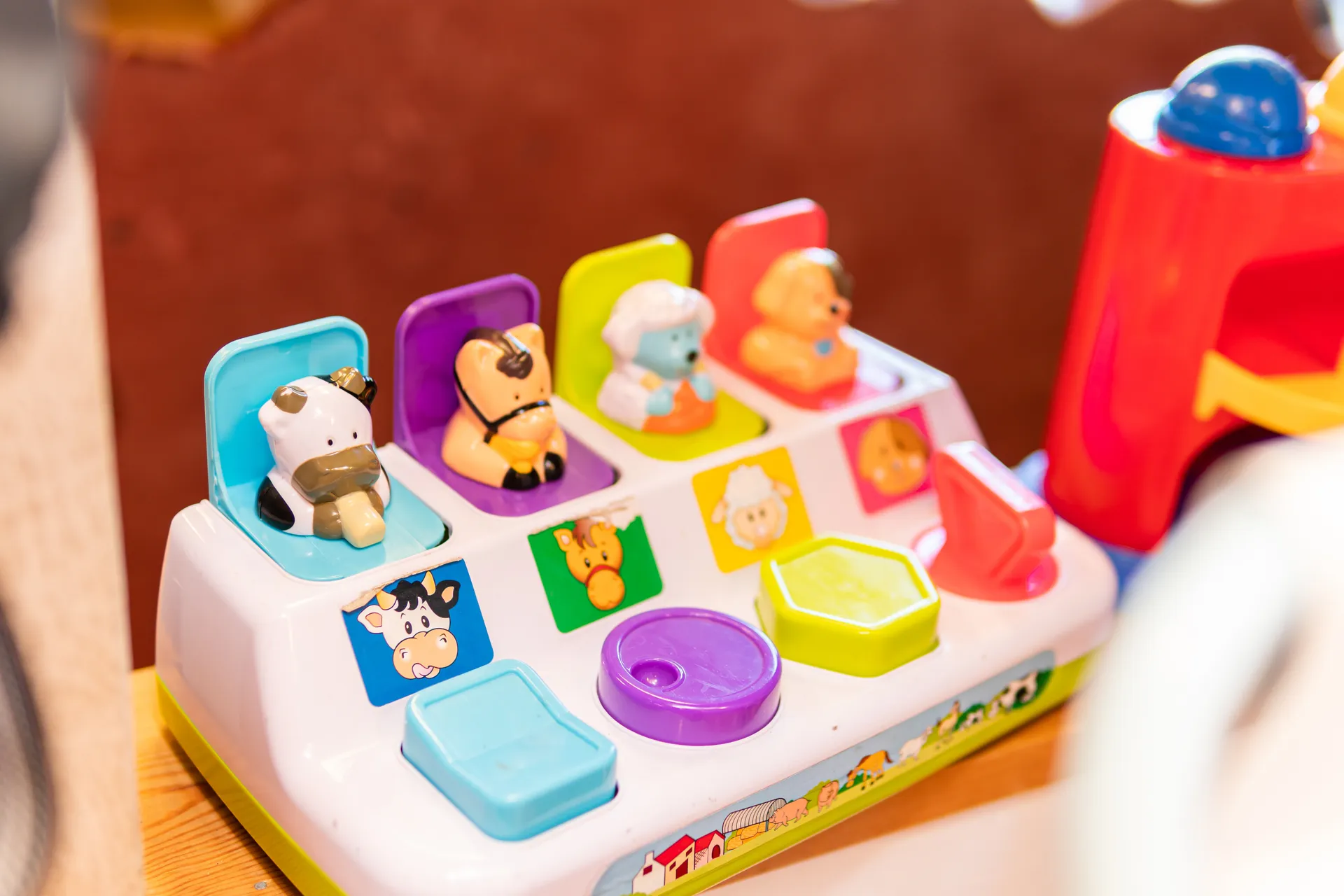
Begin small and focus on items that hold resale value. On the Sunshine Coast, things like sporting gear, children’s toys, tools, camping equipment and small appliances often sell quickly. Older items such as iPods or vintage toys can attract strong interest from collectors.
Online marketplaces make selling simple. Facebook Marketplace works particularly well for local buyers across Caloundra, Maroochydore, Buderim and Coolum. eBay can reach buyers Australia‑wide for collectables. Clear photos, honest descriptions and realistic pricing will help your items sell faster.
Do not run for the hills. You do not need technical knowledge to use AI. If you can take a photo and ask a question, you can use it.
AI tools are free and accessible, and they can help you decide what to sell, where to sell it and how to price it.
Step 1: Decide what you no longer need
Walk through your home and look for items that are still in good condition but no longer used. Common examples include:
- toys and gaming accessories
- small appliances
- sporting equipment
- tools
- electronics
- collectables
- good quality clothing
Either place everything in one spot so you can photograph it easily, or if this seems too daunting and you won't have time to finish the task, opt for one or two items each time.
Step 2: Take clear photos
Good photos help both AI and buyers understand what you are selling.
Aim for natural light and include:
- one photo of the whole item
- one photo from another angle
- a close‑up of any labels, model numbers or brands
- a close‑up of any wear or damage
Clear phone photos are all you need.
Step 3: Ask AI if the item is worth selling
Upload a photo into an AI tool such as ChatGPT and ask:
“Is this item worth selling online and what might it be worth in Australia?”
AI can often identify the item, estimate its value and suggest whether it is likely to sell. Always check that the description matches the item, as AI can make mistakes. Clear photos of labels and model numbers help avoid this.
Step 4: Ask AI where to sell it
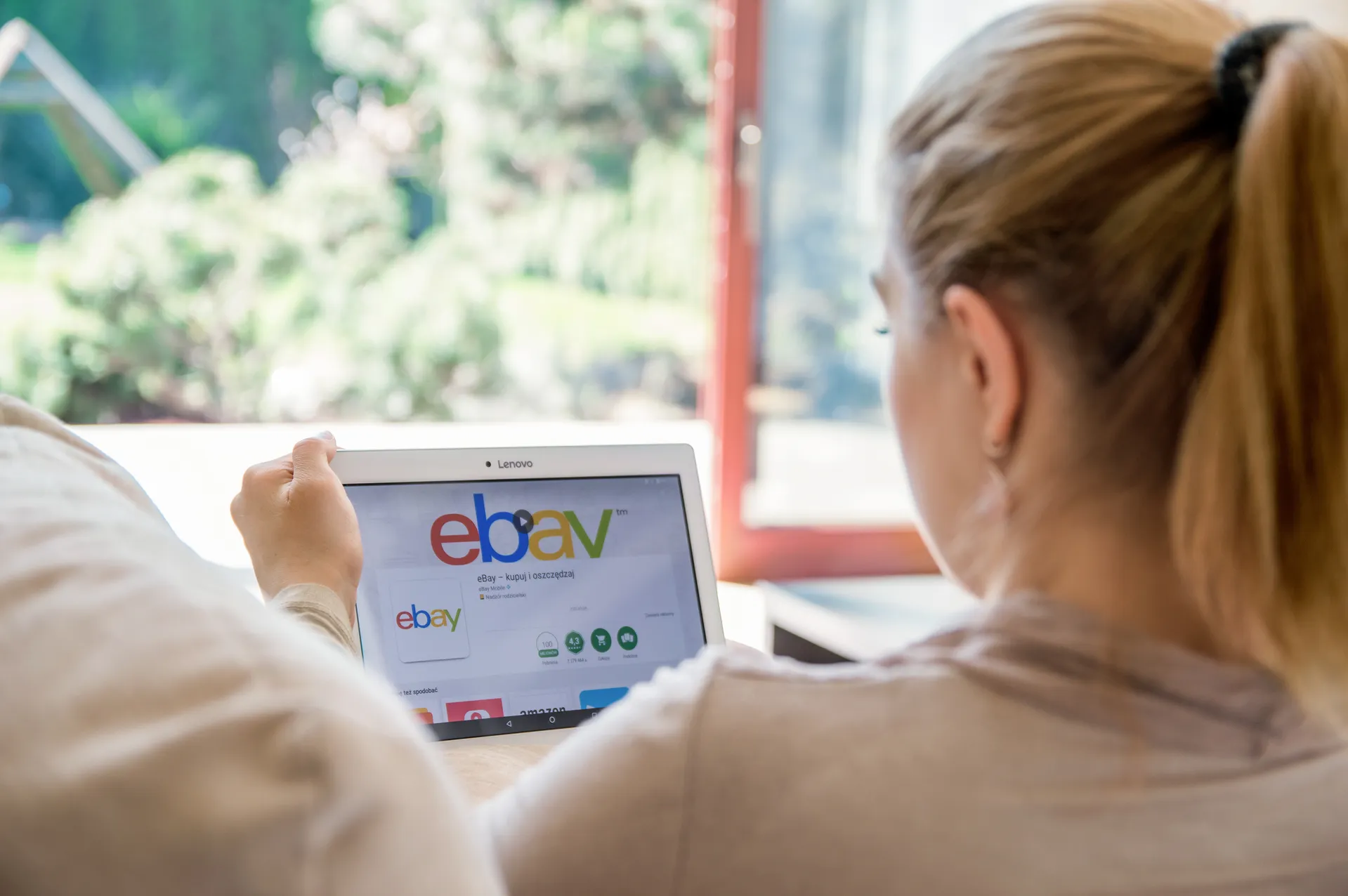
Different platforms suit different items. You might ask:
“Where is the best place to sell this item in Australia?”
You may receive suggestions such as:
- Facebook Marketplace for local pick‑ups
- eBay for collectables
- Gumtree for furniture or tools
- specialist groups for hobby items
Choosing the right platform helps items sell faster.
Step 5: Ask AI to write the listing
Writing a good description makes a big difference.
Ask AI:
“Write a Facebook Marketplace listing for this item including title, description and a fair price.”
AI can produce:
- a clear searchable title
- a short description
- important details such as brand, model, size or colour
You can copy and paste this straight into your listing.
Step 6: Ask AI to help set the price

Pricing can be tricky. Try asking:
- “What is a realistic price to sell this quickly?”
- “What price range would maximise value but still attract buyers?”
AI will often give a price range based on similar listings.
Step 7: Ask AI how to improve your listing
If your item is not selling, ask:
“Why might this item not be selling and how could I improve the listing?”
AI may suggest:
- adjusting the price
- adding clearer or additional photos
- including measurements or model numbers
- changing the title so buyers can find it more easily
Small tweaks can make a big difference.
Step 8: Repeat and declutter more areas
Once you have listed a few items, the process becomes very quick. Many people find they can photograph an item, generate a listing and upload it in a few minutes.
Over time this can help:
- reduce clutter at home
- give unused items a second life
- earn extra money
- keep useful goods out of landfill
After the sale: reset your buying habits
Each time you sell an unused item, take a moment to reflect:
- Did I actually use this?
- Was it an impulse purchase, an unwanted gift or simply not fit for purpose?
- If it was impulsive or not right, would pausing for 24 hours or doing more research have helped?
- If I bought it, how much did I pay and how much did I recover?
Seeing how much you lose on barely used items can be a powerful motivator for change.
Next time you are tempted by a sale or a shiny new thing, ask:
- Do I need it and will I use it?
- To quote Marie Kondo, “Will it spark joy”?
- Is it fit for purpose and the right size?
If you answer no to any of these, consider a 24‑hour purchase pause.
Your new superpower

Reselling unwanted items takes effort, and most people would rather avoid it. If that sounds familiar, try this: each time you stop yourself from buying something you do not need, put the money aside.
Choose a big‑ticket item or experience you genuinely want. Research it, set a savings goal and call it your “Avoided Purchases Fund”.
When you have saved enough, treat yourself to something meaningful and long‑lasting. You will have reduced waste, saved money and created space for things that truly matter.