Spotting invasive plants on the Sunshine Coast
How to tell them apart, why it matters, and where to get help.
It’s easier than you think to bring home an invasive plant
On the Sunshine Coast, invasive plants don’t just sneak into our bushland – they can come home with us in all sorts of innocent ways.
You might pick up a cutting at a weekend market, be gifted a plant from a neighbour, or buy something pretty from a roadside stall without realising it’s a species that spreads aggressively in our local environment. Some invasive plants even look remarkably similar to our protected native species, which makes things even trickier.
Why does it matter? Invasive plants can quickly outcompete our local species, reduce habitat for wildlife, and move into wetlands, reserves, creeks and dunes.
The Sunshine Coast’s ecosystems are unique – from the coastal wallum country to our rainforest pockets in places like Mapleton and Maleny – and each relies on local plant species to stay healthy.
The good news? With a few simple tools and resources, anyone can learn to identify what’s what.
Identifying plants: native look-alikes vs invasive species
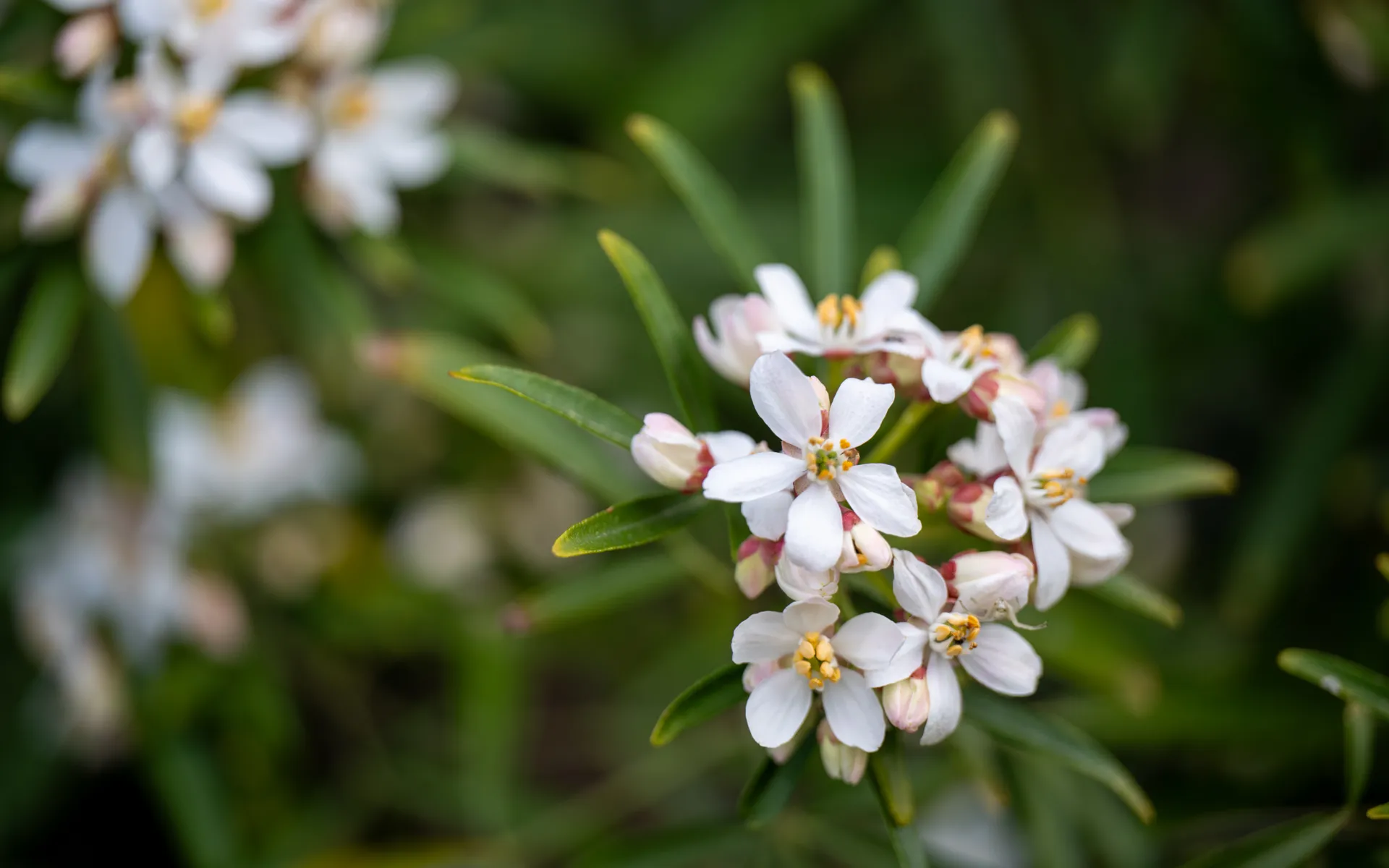
Some native plants that provide important food and shelter for local wildlife are easily confused with invasive versions. If you’re unsure, a good first step is simply to take a clear photo.
You can try:
- Using a plant identification app such as iNaturalist , which lets you upload photos and compare them with community-verified sightings.
- Watching short how‑to videos or look‑alike guides that walk you through the common mix-ups.
Need help identifying an invasive plant?
If you think you’ve found a plant that might be invasive, there are several ways to get assistance:
- Check Queensland’s list of invasive plants to see if yours is included.
- Browse identification apps for South East Queensland weeds.
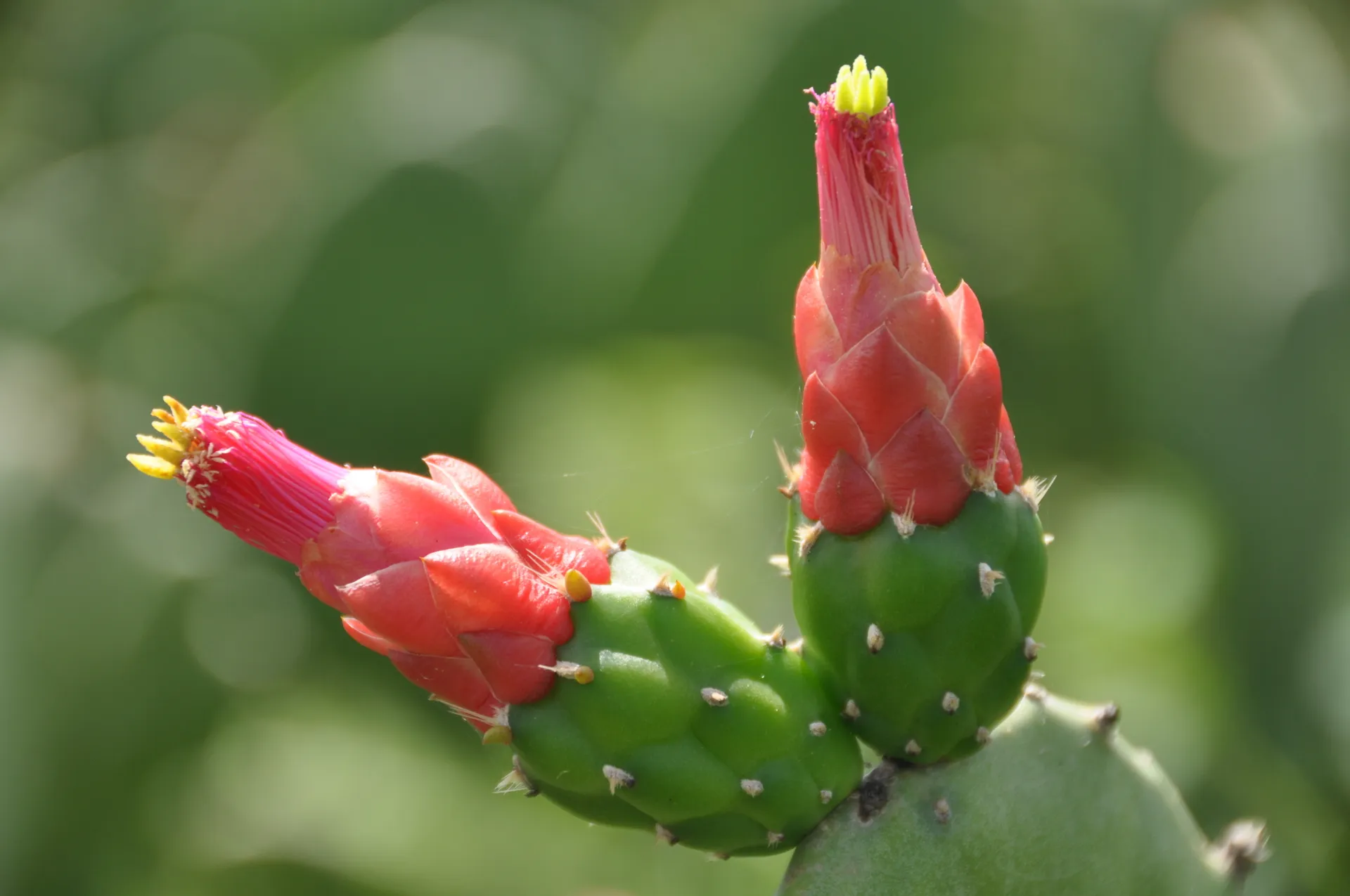
- Refer to field guides for particular problem groups (such as invasive cacti).
- Contact Sunshine Coast Council to:
- email a detailed photo
- bring in a specimen
- talk with a Pest and Vector Officer
- Send a sample to the Queensland Herbarium for confirmation.
- Join the Weed Spotters’ Network Queensland if you’re keen to learn more and help protect our region.
Choose better: native swaps for invasive species
Sunshine Coast Council’s Our Locals are Beauties brochures are a handy, visual way to identify common invasive plants and find native alternatives that suit your home garden.
There are coastal and hinterland editions so you can easily find plants that thrive in your local area – from Caloundra South through to Peregian, and west to Mapleton, Maleny and Kenilworth.
These brochures include:
- a guide to native plants (coastal and hinterland versions)
- a section highlighting local weeds you might find in gardens
- recommended native swaps that support wildlife and suit our Sunshine Coast climate
They’re a great resource to keep on hand when you’re planning a new garden bed or browsing plant stalls.
Reporting invasive plants
Some invasive plants must be reported within 24 hours under Queensland biosecurity laws. Others are identified locally as high priority for prevention or eradication.
If you spot something concerning:
- Report prohibited species to Biosecurity Queensland.
- Let Sunshine Coast Council know about any priority invasive plants for our region.
Every report helps protect our local bushland, creeks, dunes and wildlife habitat.
Categories: