Battery rebates are changing from 1 May 2026
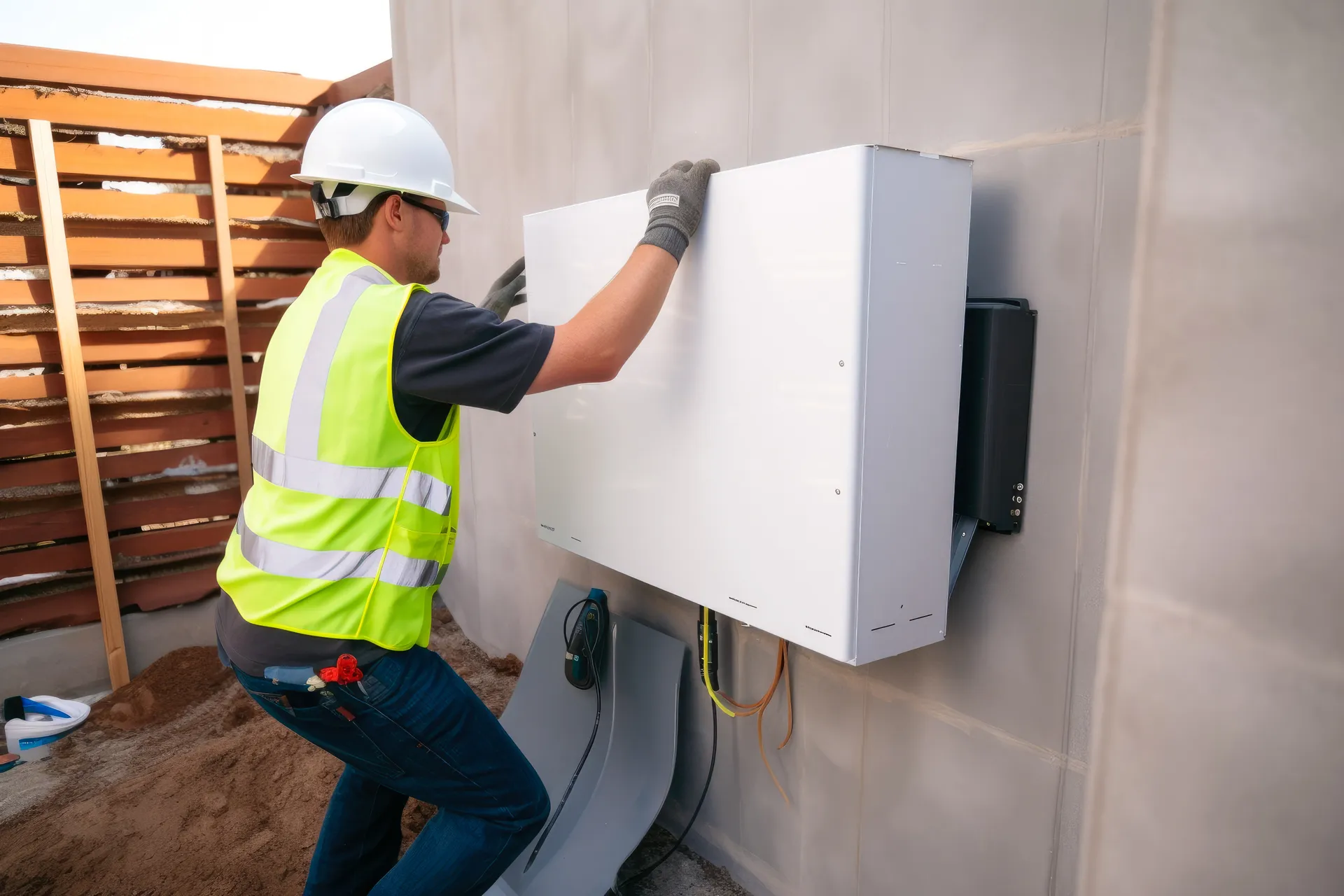
Find out how to choose the right solar battery before QLD battery rebates change next month.
Solar battery interest has surged across Queensland as households try to store more of their daytime solar and reduce rising electricity bills.
At the same time, Commonwealth incentives for small-scale technologies are scheduled to step down from 1 May 2026, which affects the value of Small-scale Technology Certificates (STCs). There is currently no universal Australia-wide cash rebate specifically for batteries alone, but batteries can attract STCs when installed with eligible solar systems or under certain configurations.
Understanding how incentives, sizing and usage patterns work together is what determines whether a battery delivers value.
Step 1: check if a battery makes sense for your home
Batteries are most effective when you have excess solar generation during the day and higher usage in the evening. Homes with daytime occupancy or already high self-consumption may see smaller gains.
- you export a lot of solar during the day
- you use most of your power in the evening
- you want backup during outages or plan to join a virtual power plant (VPP).
Timing matters - batteries deliver the best value when they shift your solar use from day to night rather than simply adding capacity.
Step 2: size the battery correctly
Oversizing is one of the most common mistakes. A simple rule is to size the battery to around 30 to 50 percent of your average daily electricity use.
- average QLD home uses about 10 to 20 kWh per day
- ideal battery size is often 8 to 13 kWh usable capacity
- check usable capacity rather than nominal capacity when comparing products.
Choosing the right-sized battery pays back faster than oversizing your system.
Step 3: understand incentives and timing
STCs reduce the upfront cost of eligible solar and, in some cases, solar-plus-battery systems.
The number of STCs reduces each year and steps down again from 1 May 2026. That means delaying an installation can reduce the certificate value available to your system. State-based programs can change and are often limited or targeted, so always confirm eligibility at the time of quoting.
- STC values are higher before scheduled step-down dates
- eligibility depends on system size, configuration and installer accreditation
- some retailers offer additional incentives via VPP programs rather than upfront rebates.
The biggest financial difference often comes from timing your install before incentive reductions and matching your system to the rules.
Step 4: choose technology suited to Sunshine Coast conditions
Heat, humidity and cycling performance matter, especially in Queensland. Look beyond price and check warranties and operating conditions.
- lithium iron phosphate (LFP) chemistry for thermal stability
- 10 year warranty with throughput or cycle limits clearly stated
- VPP readiness and compatible inverter or hybrid inverter.
Troubleshooting common issues
- battery not charging fully can indicate inverter mismatch or export limits
- low savings often means loads are not shifted into the evening
- underperformance can be caused by shading, incorrect monitoring setup or firmware issues.
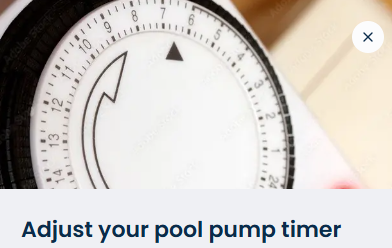
Easy wins to maximise returns
- run dishwasher, pool pump and washing machine during solar hours
- set timers for hot water to heat during the day
- use app-based monitoring to shift loads into solar generation windows.
Calculate potential savings with sunSPOT
If you have a smart meter, which provides interval data, you can easily calculate your potential savings with SunSPOT.
SunSPOT was built by photovoltaic engineers and data analysts from UNSW’s School of Photovoltaic and Renewable Engineering (SPREE) and not-for-profit solar research organisation The Australian PV Institute.
The user-focused design and enhanced development of this latest version of SunSPOT was made possible with support from the Australian Government.
SunSPOT’s development has also been supported by the NSW and ACT governments, and the Australian Renewable Energy Agency (ARENA) and the Australian Centre for Advanced Photovoltaics (ACAP).