Recycling your food scraps is still the best

A new Sunshine Coast facility is turning landfill gas into clean energy. Find out why it's still important to keep organic waste out of landfill and how to turn it into a free resource.
A new renewable energy facility has opened on the Sunshine Coast that turns landfill gas into clean energy.
Each year it is expected to cut greenhouse gas emissions by up to 55,000 tonnes and generate enough renewable electricity to power 1,500 homes, 24 hours a day, seven days a week.
So is it still important to recycle organic waste at home?
It's a resounding yes from us.
Organic waste in landfill
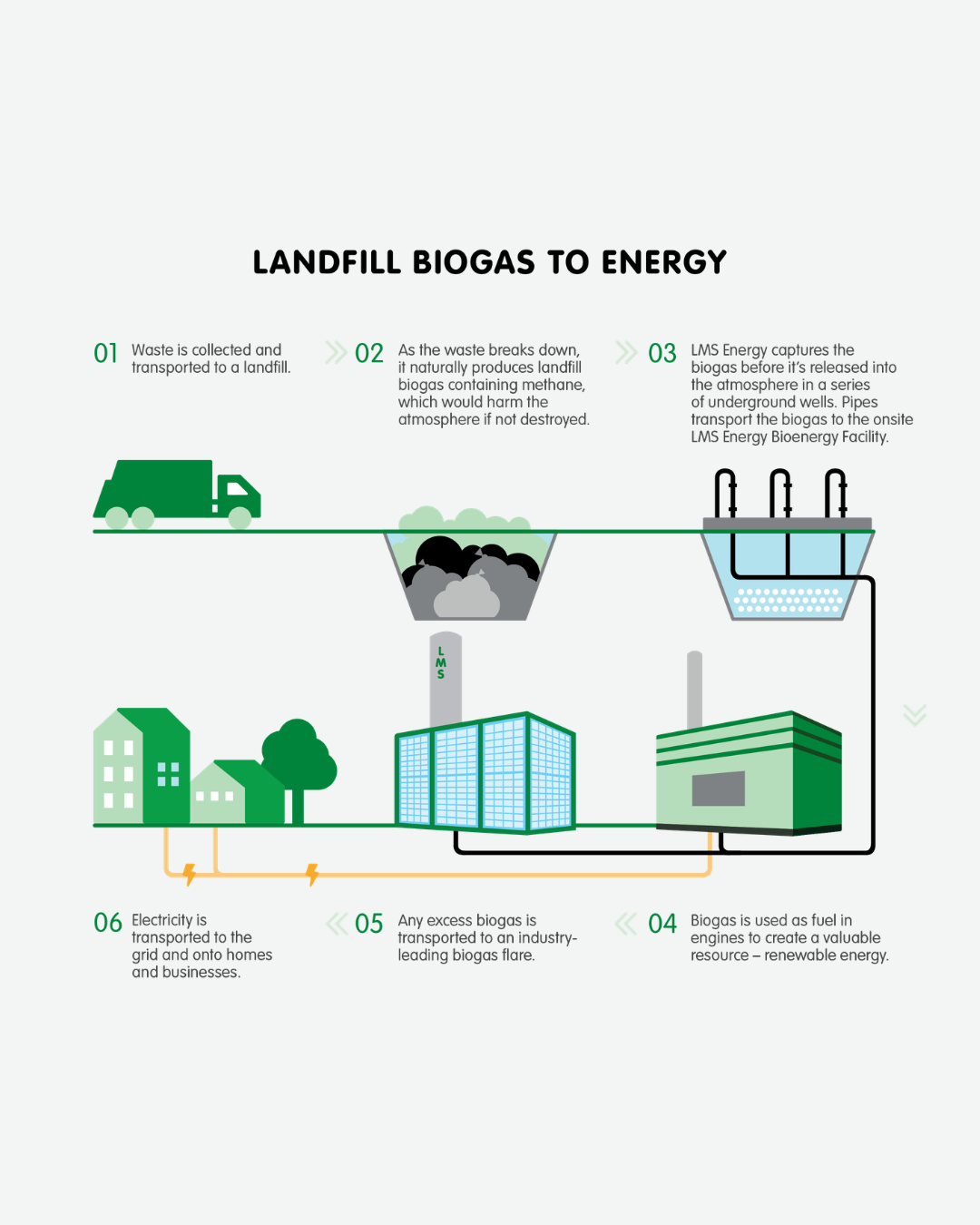
In landfill, general rubbish releases biogas as it breaks down. This gas contains methane – a greenhouse gas around 28 times more harmful than carbon dioxide.
This facility captures biogas through an extensive network of wells and pipes and feeds it into an engine to creates electricity. It's considered the gold environmental standard for landfills, but as there is no shortage of gas in the landfill, the best option is still diverting organics from landfill.
Plus, collecting and recycling organic waste provides a free resource to use at home.
How to create compost from food scraps
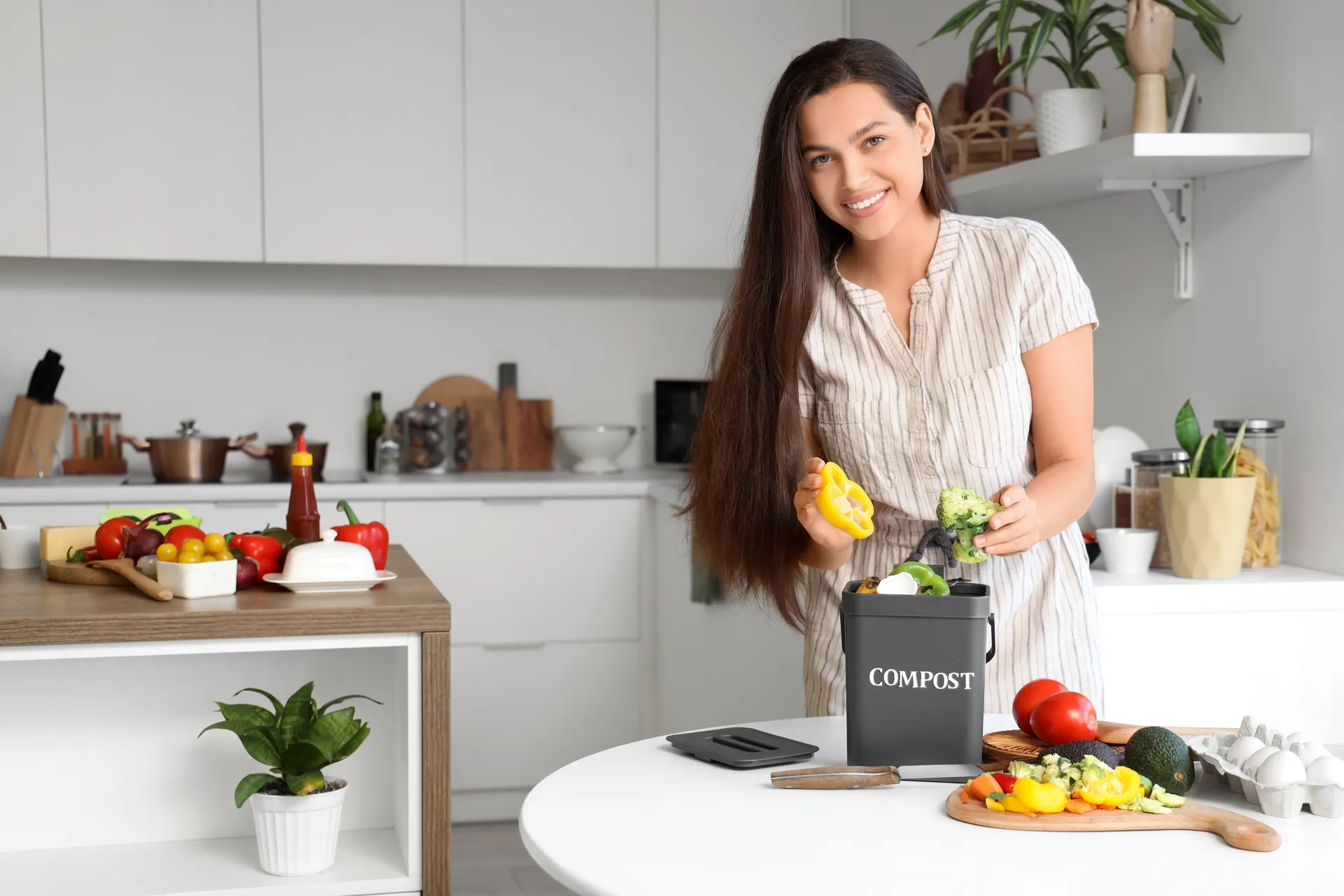
Up to half of our general waste bin is food or garden scraps. Most of this organic waste can be composted at home. By using a compost or worm farm you can:
- reduce the amount of waste going to landfill - this prevents greenhouse gas emissions getting released
- create nutrient rich fertiliser for your gardens - this improves soil quality and water retention
- save money on water and artificial fertilisers.
Still want more?
- read council’s organic waste fact sheet (PDF, 241KB)
- visit the International Compost Awareness Week website
- use Peels to connect with someone who wants your food scraps.
Compost and worm farm workshops
Join one of council's free worm farm and composting workshops at local libraries across the Coast. Or we can bring a guest speaker to you. To find out more and book, see the Waste 2 Resource Community Education Program page.