Get started with sourdough: simple starter recipe
The link between a healthy gut and overall health just keeps gets stronger. Jump onboard and learn how to make your own fermented sourdough starter.
Starting your sourdough journey
To start making sourdough bread, you'll first need a sourdough starter.
- you can ask friends or online groups for a starter - most bread makers willingly share
- you can purchase freeze dried starters
- or just make your own.
The many steps may seem daunting, but it's less time consuming than it looks and once the first loaf comes out of the oven, you'll be hooked.
Easy sourdough starter recipe
Making your own sourdough starter is as simple as flour, water and time.
With our sub-tropical temperatures, your starter will usually become active quite quickly – no fancy equipment needed.
What you’ll need
- 1 cup bread flour (wholemeal or white)
- 1 cup water at around 35°C (or when you stick your finger in, it feels neither hot nor cold)
- A clean glass jar or container
- A spoon
Day-by-day instructions
Day 1 – mix
- Combine 1 cup flour and 1 cup water in your jar.
- Stir until smooth and lump‑free.
- Cover loosely with a lid or clean cloth.
- Mark a line on the side of the jar at the top of the starter with a pen or an elastic band.
- Leave on your bench, out of direct sun.
Day 2 – rest and watch
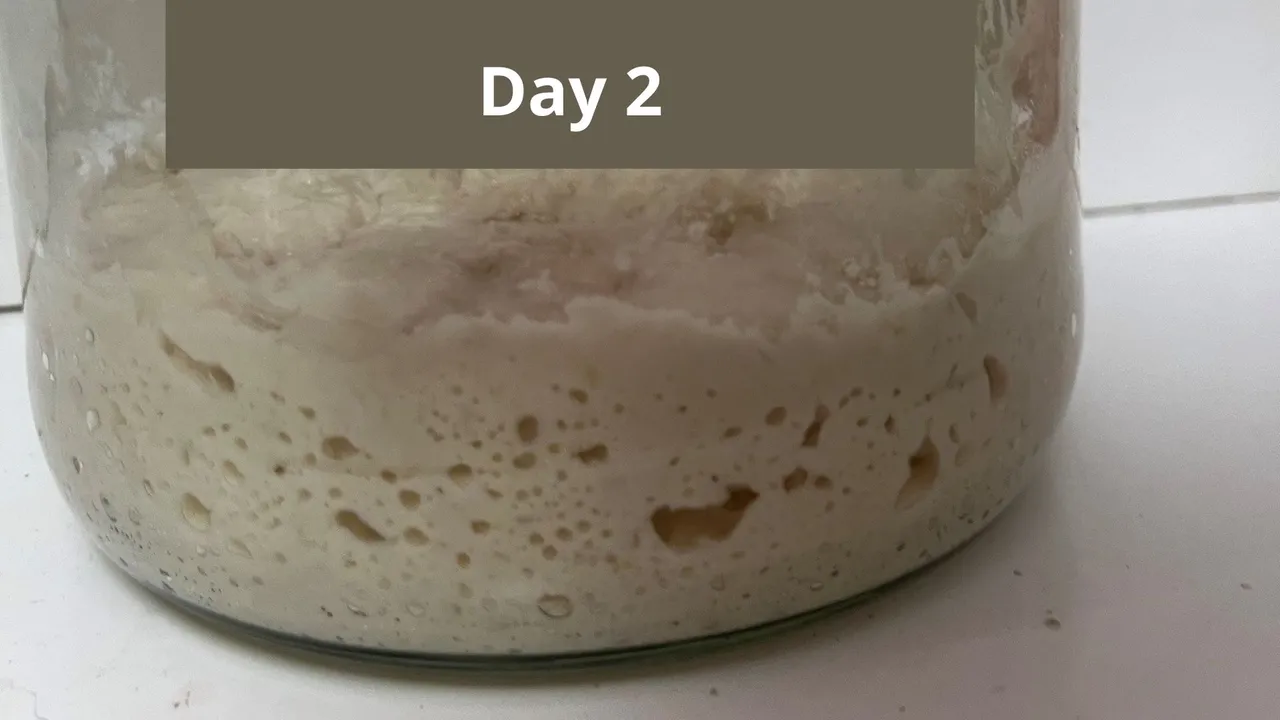
- You may see a few bubbles forming.
- Give it a gentle stir and leave again.
Day 3 – first feed
- Discard about half the mixture.
- Add ½ cup flour and ½ cup water.
- Stir well and leave on your bench.
Day 4–6 – build strength
Repeat the feed each day:
- discard half
- add ½ cup flour + ½ cup water.
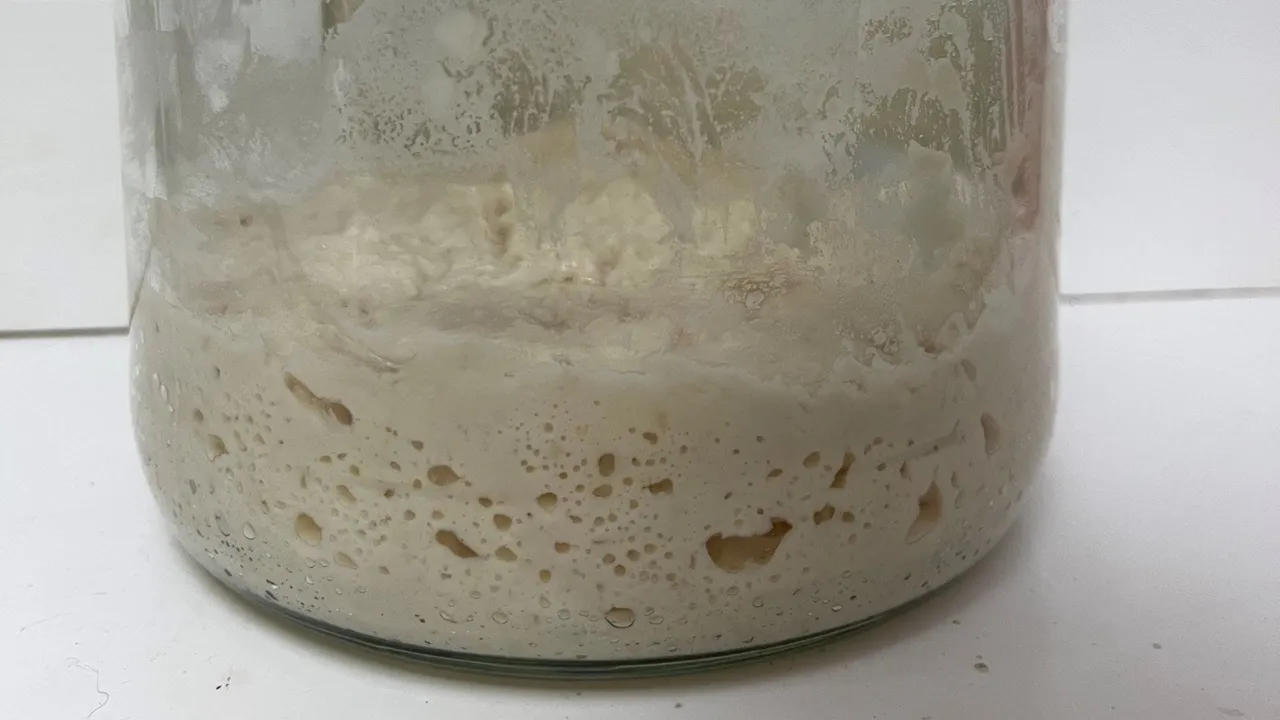
By now it should smell slightly tangy and show bubbles or rise.
Day 7 – ready to use
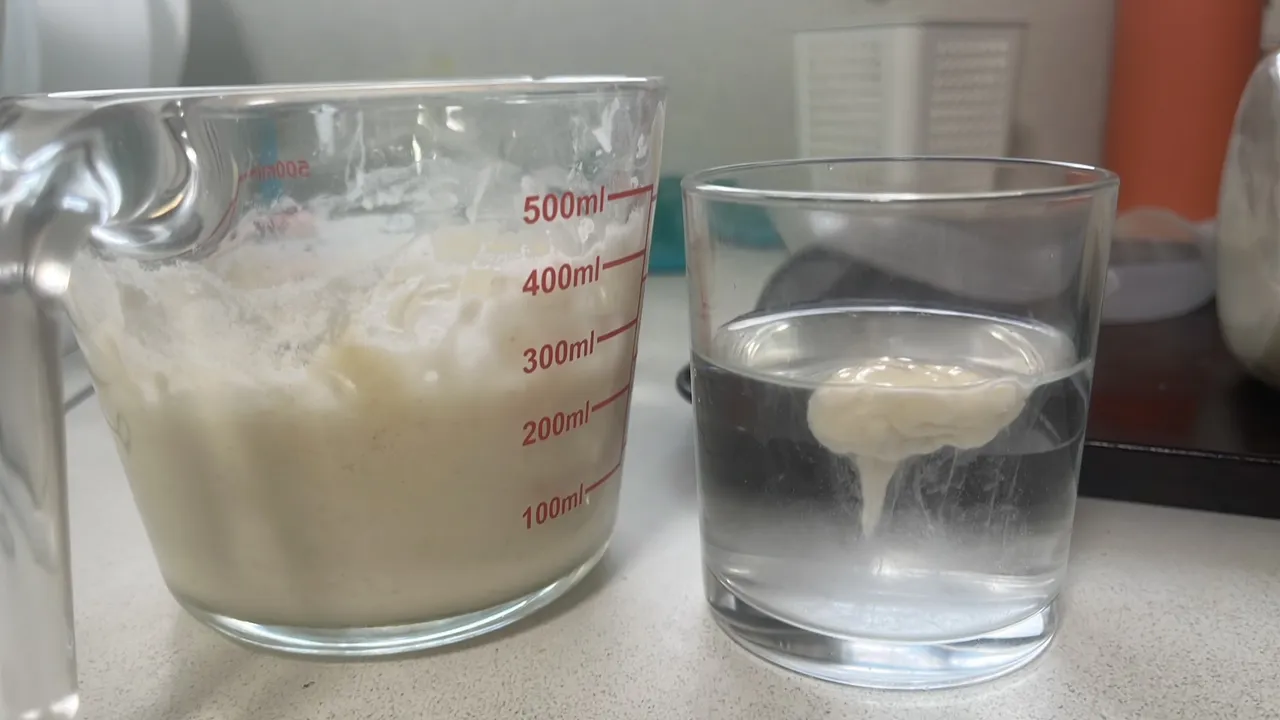
Your starter is ready when it:
- doubles in size within 4–6 hours after feeding
- smells pleasantly sour (not unpleasant or mouldy)
- passes the float test (drop a small spoonful into a glass of room temp water, if it floats it's generally ready)
Once active, you can use it right away or keep it in the fridge and feed weekly.
Why sourdough is good for you
Sourdough is made through natural fermentation, where wild yeast and beneficial bacteria break down the flour.
Three gut health benefits
- Supports digestion – fermentation begins breaking down gluten and starch, making it easier on the gut
- Feeds good bacteria – the process produces natural compounds that support gut microbiome balance
- Lower glycaemic impact – slower digestion can help keep blood sugar levels more stable
Overall health benefits
- Improved nutrient absorption – fermentation reduces compounds like phytic acid, helping your body better absorb minerals
- Simple ingredients – just flour, water and salt once you bake
- Less processed – a great alternative to packaged breads
Climate tips for success
Climate plays a big role in how your starter behaves.
In cooler, dry winter conditions (mid‑20s days, cooler nights)
Keep your starter in a warm spot (on top of the fridge or in a cupboard)
If activity is slow, use slightly warmer water when feeding or place in the oven with the pilot light on.
In humid summer conditions
Starters ferment faster – reduce feeding amounts slightly if it becomes too runny
Feed more frequently (sometimes twice daily) to prevent over‑souring
Watch for strong, vinegary smells – a sign it needs feeding
Simple hacks – no extra equipment needed
- No scales? No problem – use equal parts flour and water by volume
- No proofing container? – reuse jars from pasta sauce or pickles
- Warm spot hack – place your jar in an (turned‑off) microwave with the light on
- Forget to feed? – don’t stress; discard any grey liquid (“hooch”), feed and it will recover
- Too much starter? – use discard to make pancakes, flatbreads or muffins
- Mess-free mixing – use the same spoon each time and just scrape down the sides
Getting started
A sourdough starter is a living culture – it doesn’t have to be perfect. With Sunshine Coast temperatures, most starters become active within a week. Once yours is ready, you can begin baking bread, pizza bases or simple rolls at home.