Getting started with sourdough - making the bread
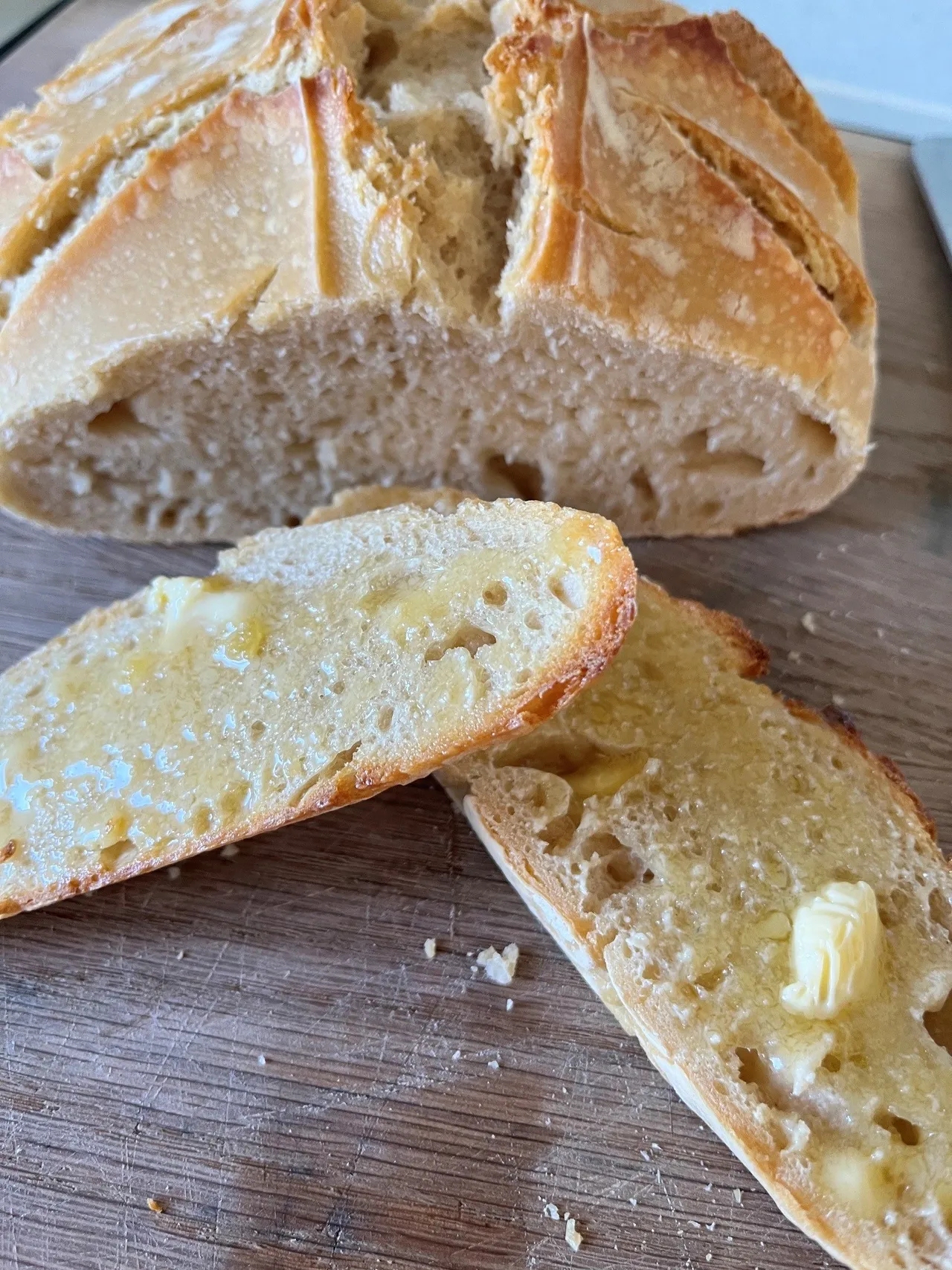
You've got your starter, now it's time to start making your sourdough bread.
Once your starter is active, baking your first loaf is easier than it sounds. This method suits our local conditions and uses basic kitchen items only.
What you’ll need
- 160g active sourdough starter
- 450g bread flour
- 290ml water at 35°C or room temp
- 9g finely ground rock salt
Step-by-step instructions
1. Mix the dough – morning or early afternoon
- In a large bowl, combine flour and salt and make a well in the centre.
- In another bowl combine starter and water, stirring until milky.
- Add starter mixture to the flour mixture.
- Mix with a spoon until a rough dough forms.
- Cover with a tea towel or cloth and rest for 30 minutes.
2. Stretch and fold – build strength
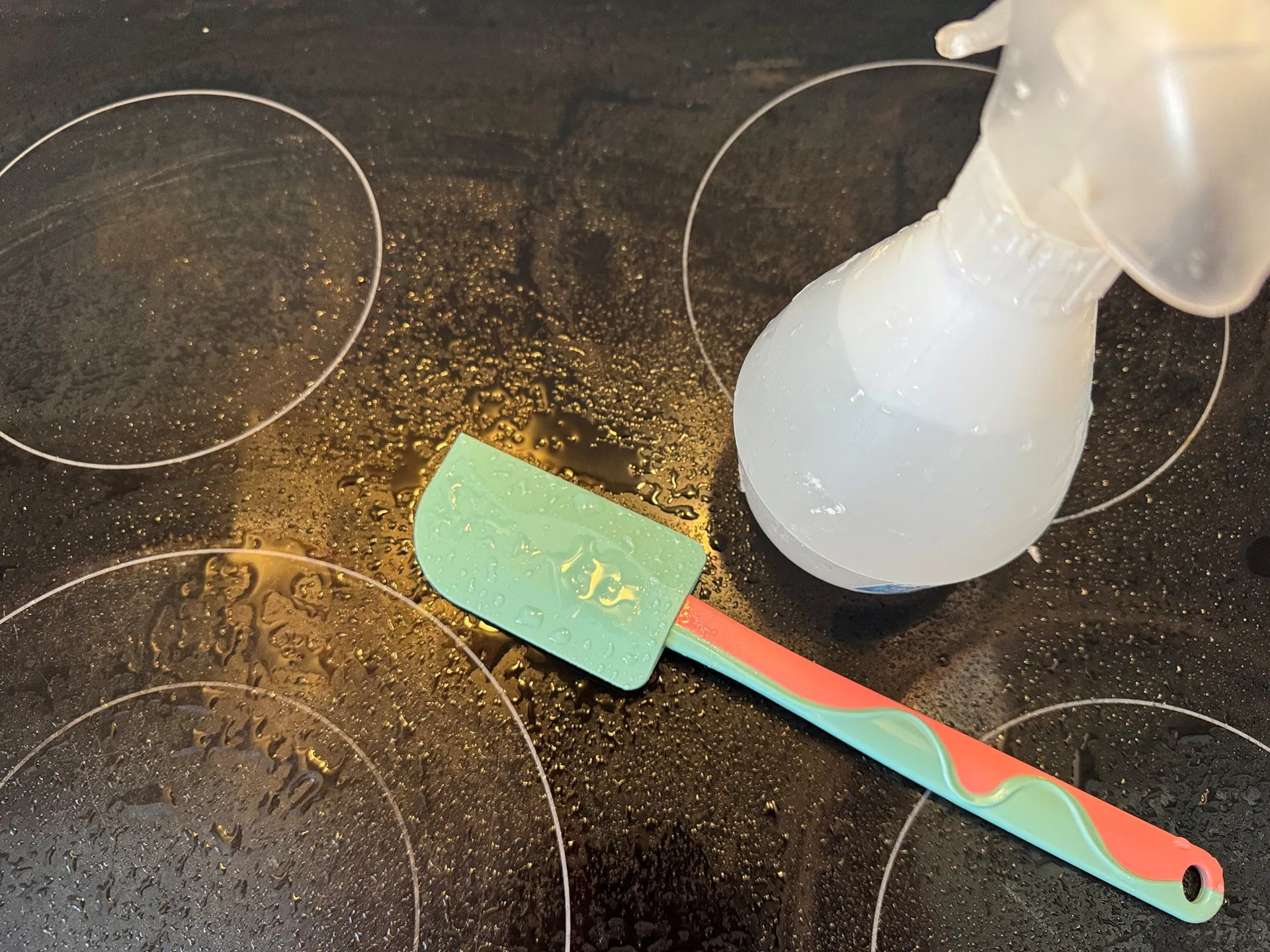
- Wet your hands slightly and mist the spatula or dough scraper and the bench or cooktop with water.
- Gently stretch one side of the dough up and fold it over itself.
- Turn the bowl and repeat around 12-16 times.
- Cover and leave for 2 hours.
- Repeat the stretch and fold, but you'll only need about 4 folds.
3. Bulk rise – let it ferment
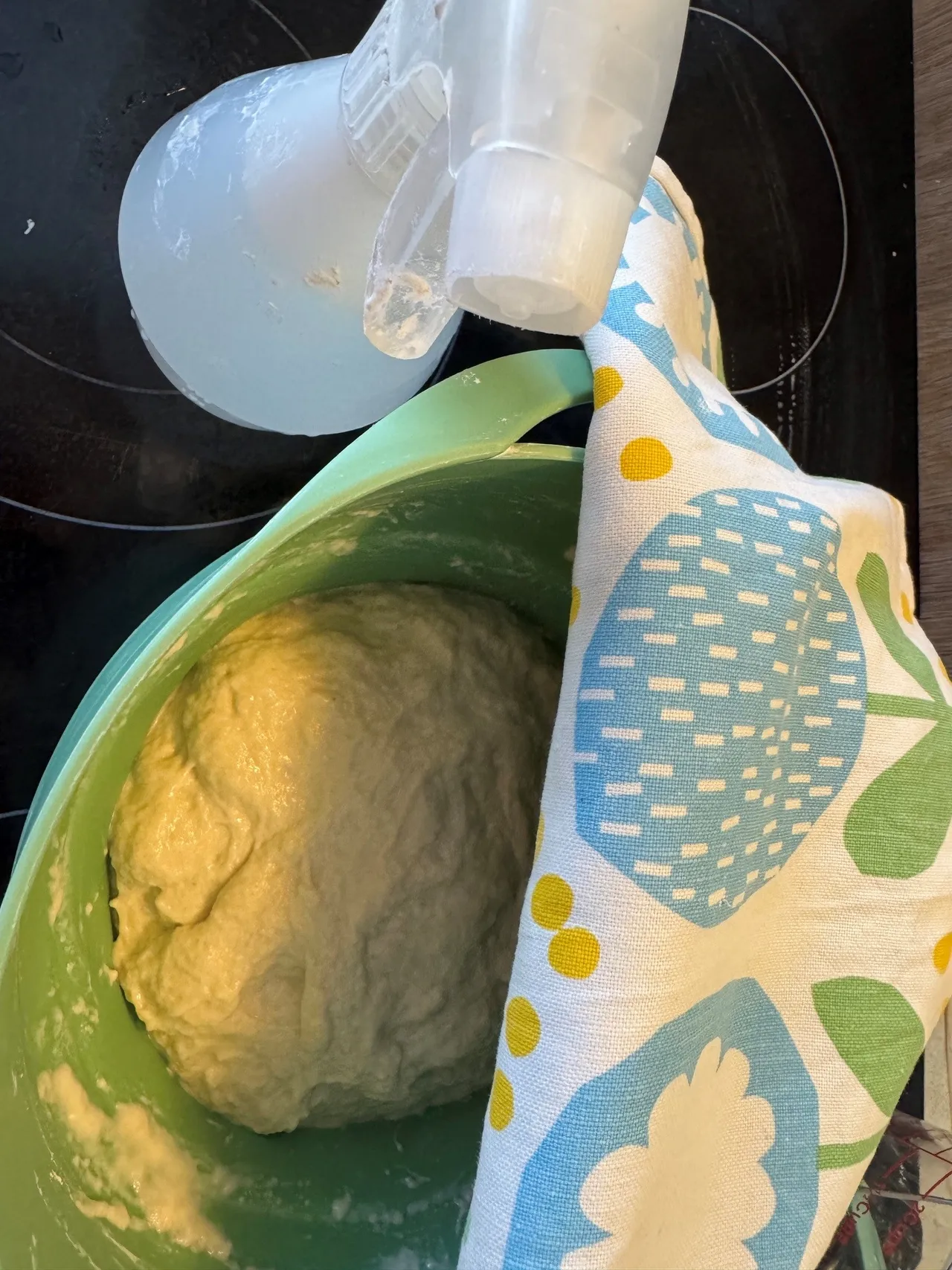
- Cover the bowl and leave on the bench.
- In Sunshine Coast winter conditions, this usually takes 4–6 hours.
- The dough is ready when it:
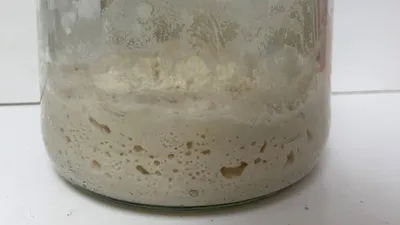
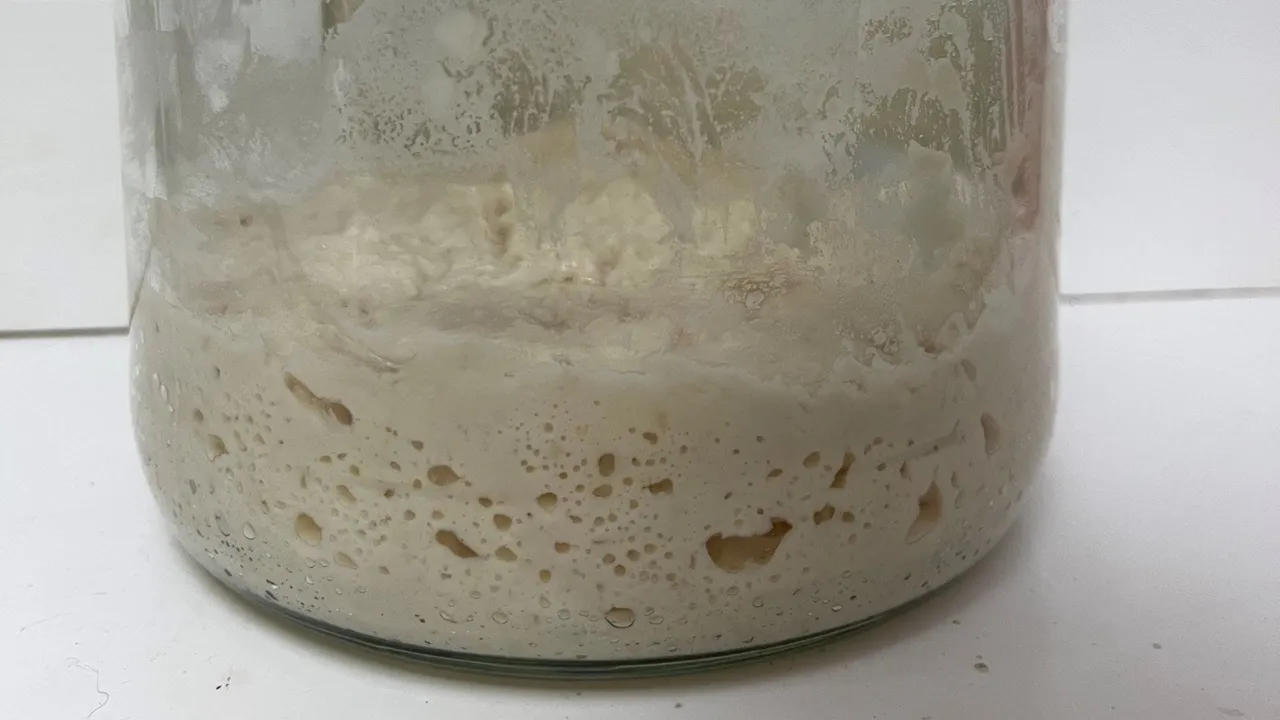
- Has risen by about 50%
- Looks airy with bubbles
- Feels soft and slightly jiggly
Local tip:
In summer, this stage may only take 2–3 hours – keep an eye on it to avoid over-proofing.
4. Shape the dough
- Lightly flour your bench.
- Gently turn out the dough.
- Fold edges into the centre to form a round shape.
- Flip it over and lightly shape into a smooth ball.
5. Second rise (proofing)
- Place dough into a bowl lined with a clean tea towel (lightly floured).
- Cover and leave:
- 1–2 hours at room temperature, or
- Overnight in the fridge for better flavour
6. Bake your loaf
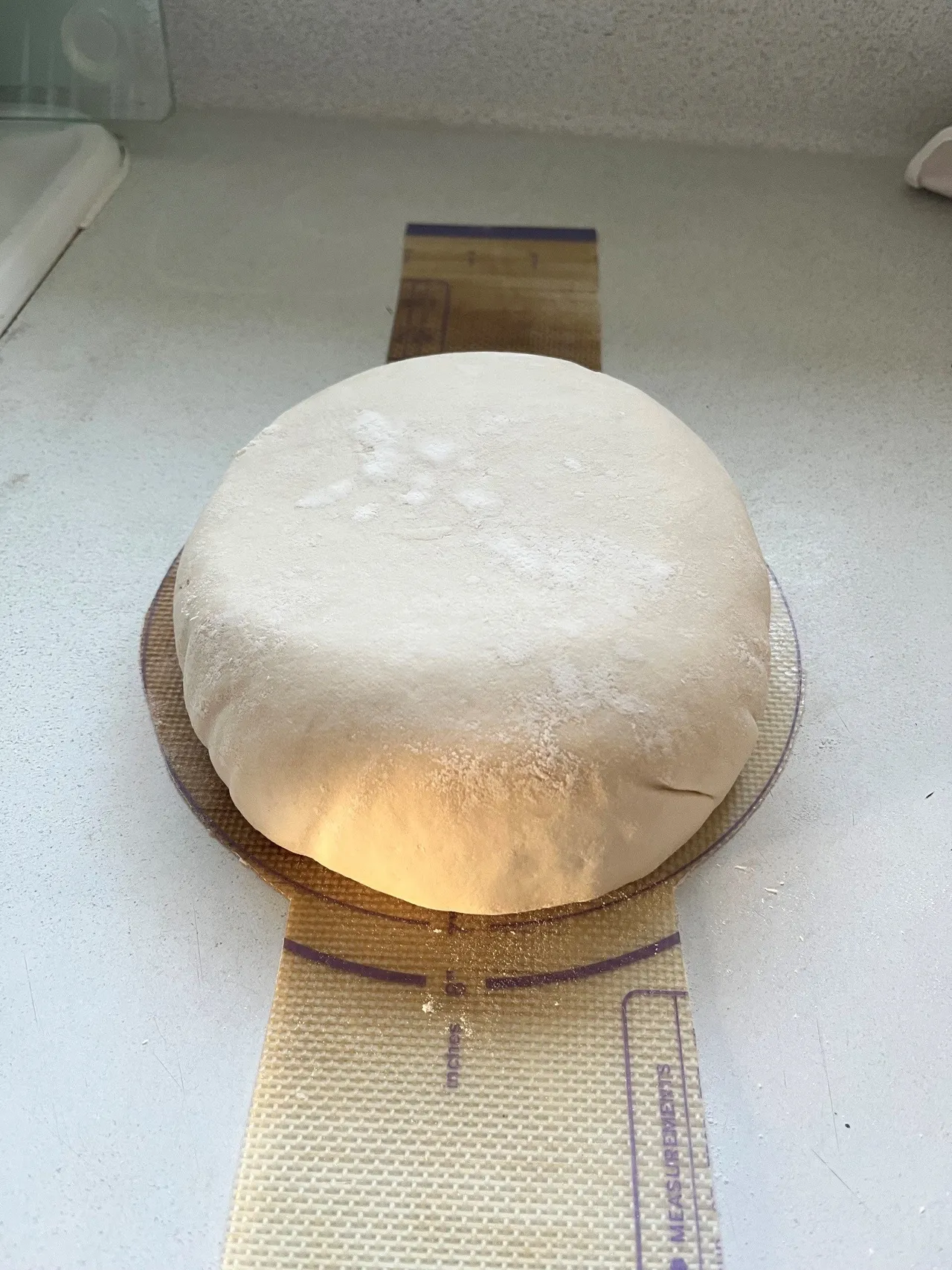
- Preheat oven to 220°C.
- Place a baking tray or casserole dish with a lid inside while heating.
- If using a casserole dish, you can buy or make a sling to lower in the bread from a silicone cooking sheet or baking paper
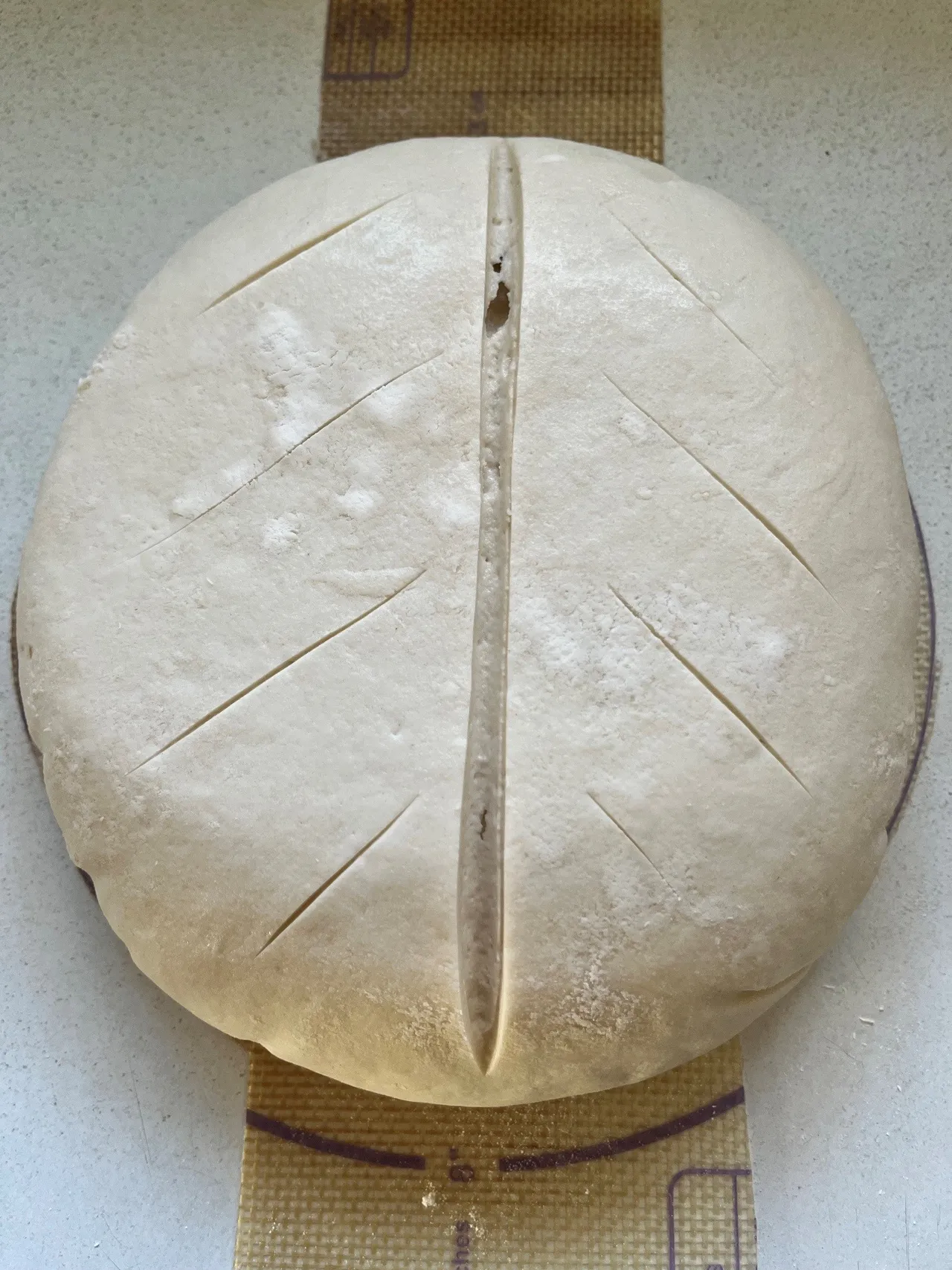
When ready:
- Turn dough onto baking paper or tray.
- Score the top with a sharp knife.
- Bake:
- 20 minutes at 220°C
- Then remove the lid and reduce to 200°C for another 20–25 minutes
The loaf is done when golden brown and sounds hollow when tapped.
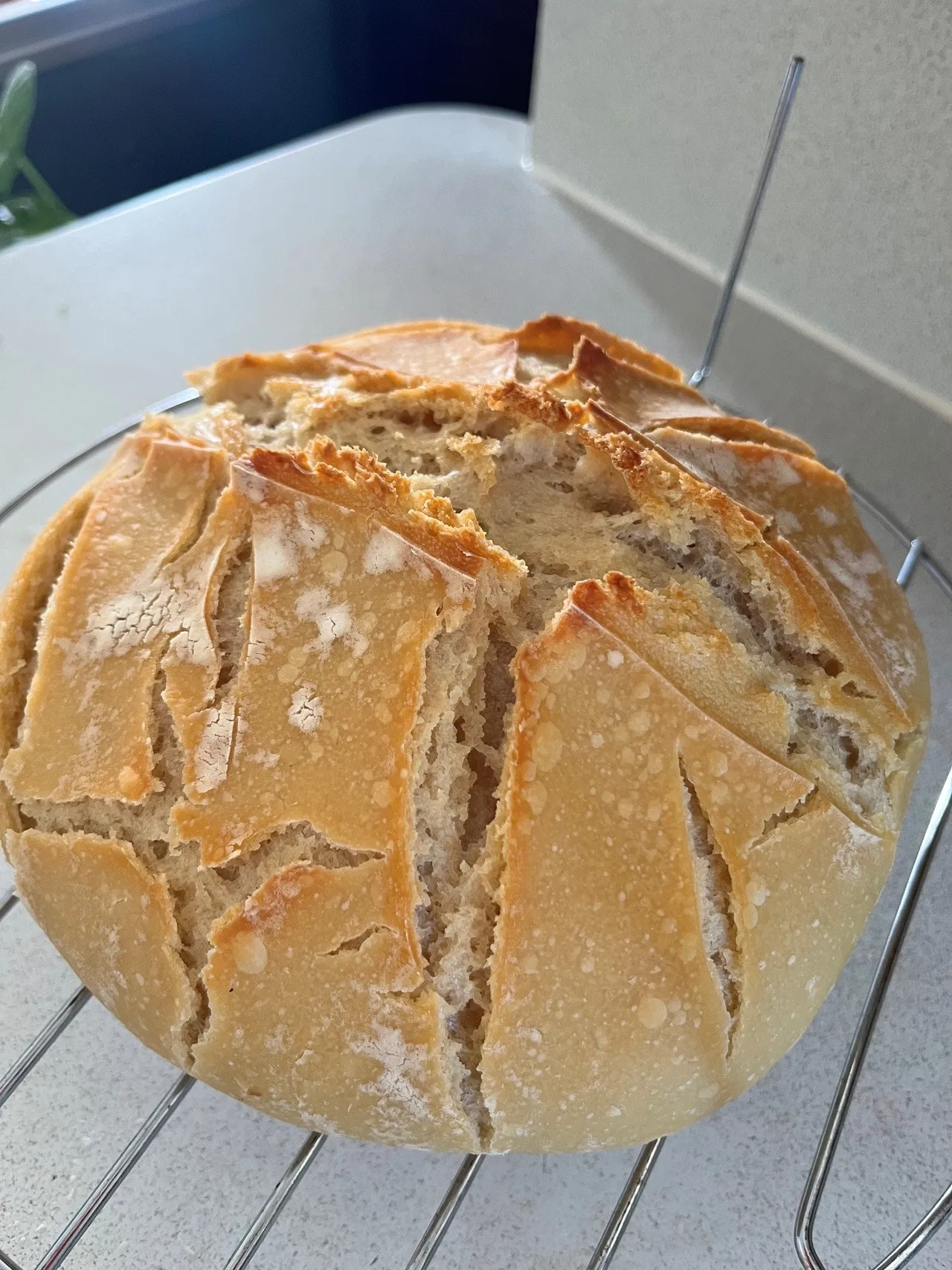
Baking tips
- Dry winter air – dough may need slightly more water if it feels firm.
- Humid summer – reduce water a little if dough feels sticky.
- Faster fermentation in heat – shorten rising times and check often.
- Cool overnight option – refrigerating the dough helps manage hot conditions.
Easy hacks – no special equipment
- No proving basket? Use a bowl and tea towel.
- No Dutch oven? Place a tray of water in the oven to create steam.
- No dough scraper? Use a spatula or your hands.
- No thermometer? Trust visual cues – colour and hollow sound.
Tags:sourdough bread