Cut your energy bills without installing solar

Don't miss these low-cost ways to reduce bills through efficiency, behaviour change and small upgrades.
Energy costs remain a top concern, and many households cannot install solar due to budget or tenancy constraints. The good news is you can still trim your power bills with a little know how.
Step 1: stop heat entering your home

Reducing heat gain lowers cooling demand, which is one of the largest energy uses, but if you've got the window coverings sorted, you may need a two prong approach.
For other options to reduce heat gain try adding:
- reflective window film to windows
- external shading such as timber slats, awnings or shade cloth
- natural shade. Find your sun traps, then add trees, hanging baskets, plants to dial down the glare.
Step 2: seal gaps and drafts
Air leaks allow hot air in and cool air out. Sealing is one of the cheapest and most effective upgrades, reducing energy use by 10 to 25 percent in some homes.
- install door seals and weather stripping
- seal gaps around windows and skirting boards
- block unused vents and seal around exhaust fans where safe.
Step 3: use appliances more efficiently
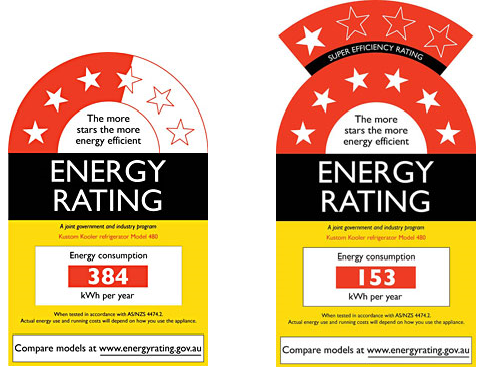
Behaviour changes often deliver immediate savings without any capital cost.
- run appliances during off-peak times where tariffs apply
- use eco modes on dishwashers and washing machines
- wash clothes in cold water whenever possible.
Step 4: target the biggest energy users
Focusing on the largest loads delivers the biggest savings.
- hot water systems set to efficient temperatures
- air conditioners with clean filters and appropriate set points
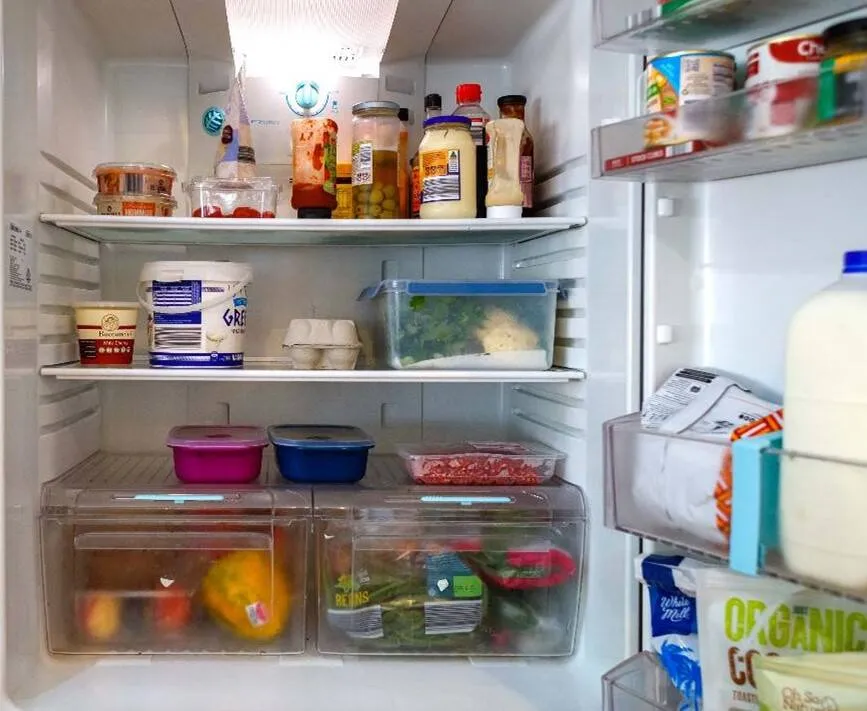
- fridges with intact door seals and correct temperature settings.
New technology to consider
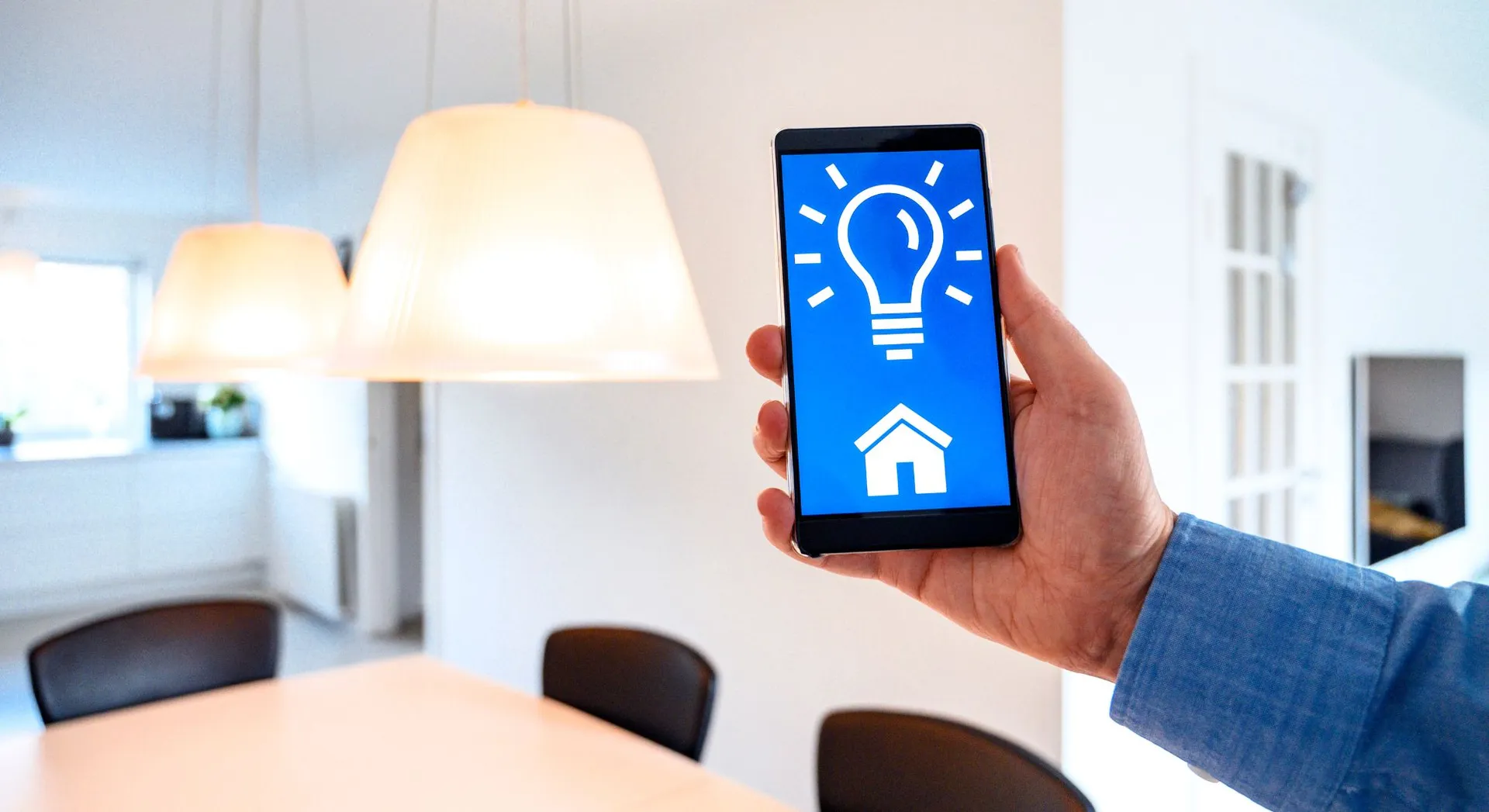
- smart plugs to monitor and control appliance usage
- home energy monitoring systems to identify high loads
- induction cooktops for efficient electric cooking.
Troubleshooting high bills
- sudden increases can indicate faulty appliances or tariff changes
- continuously running systems may need servicing or replacement
- estimated bills should be checked against actual meter readings.
Easy wins that add up
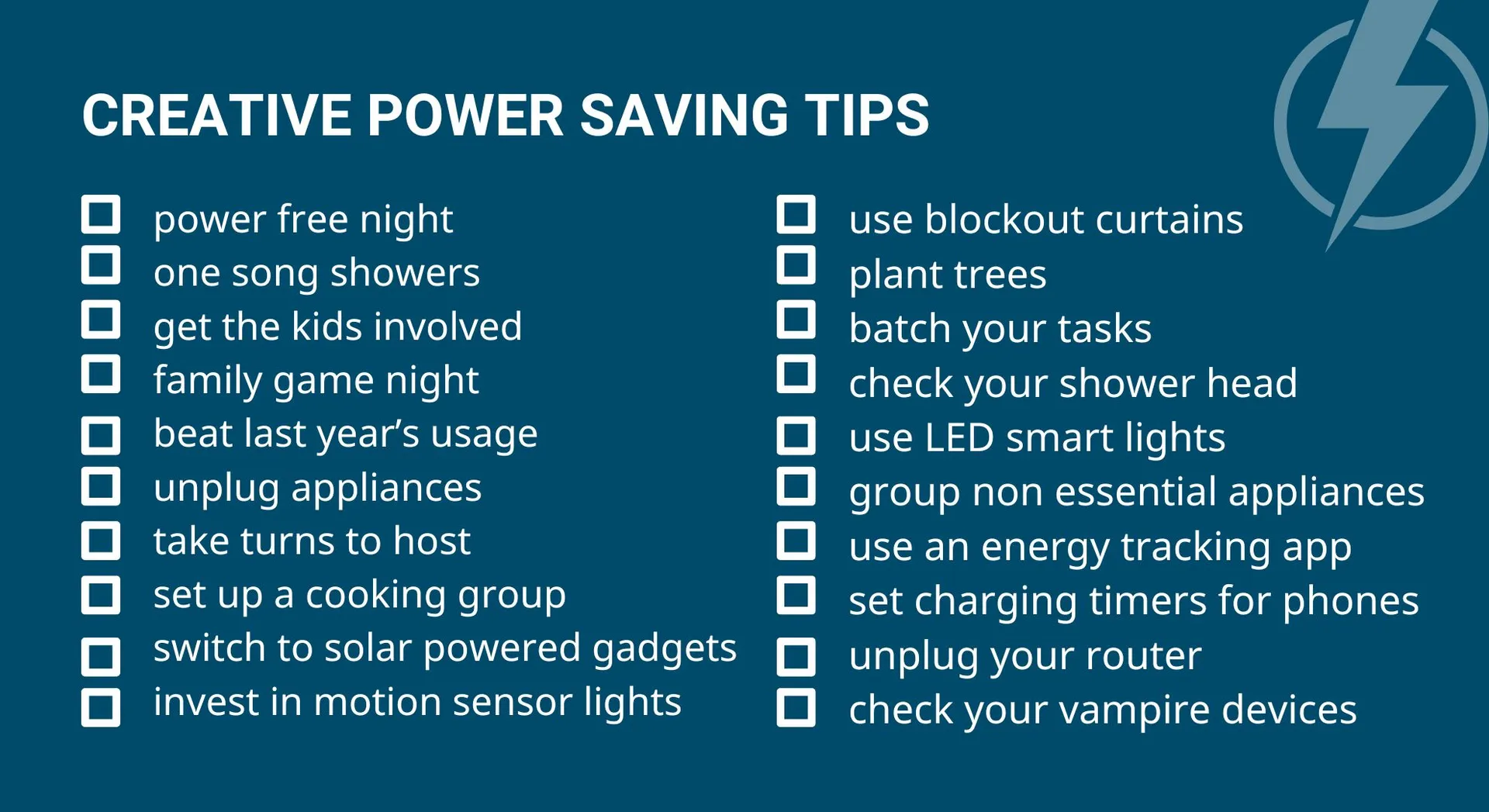
- switch to LED lighting throughout the home
- use ceiling fans before turning on air conditioning
- shorten showers to reduce hot water use.