How to build a drought proof garden
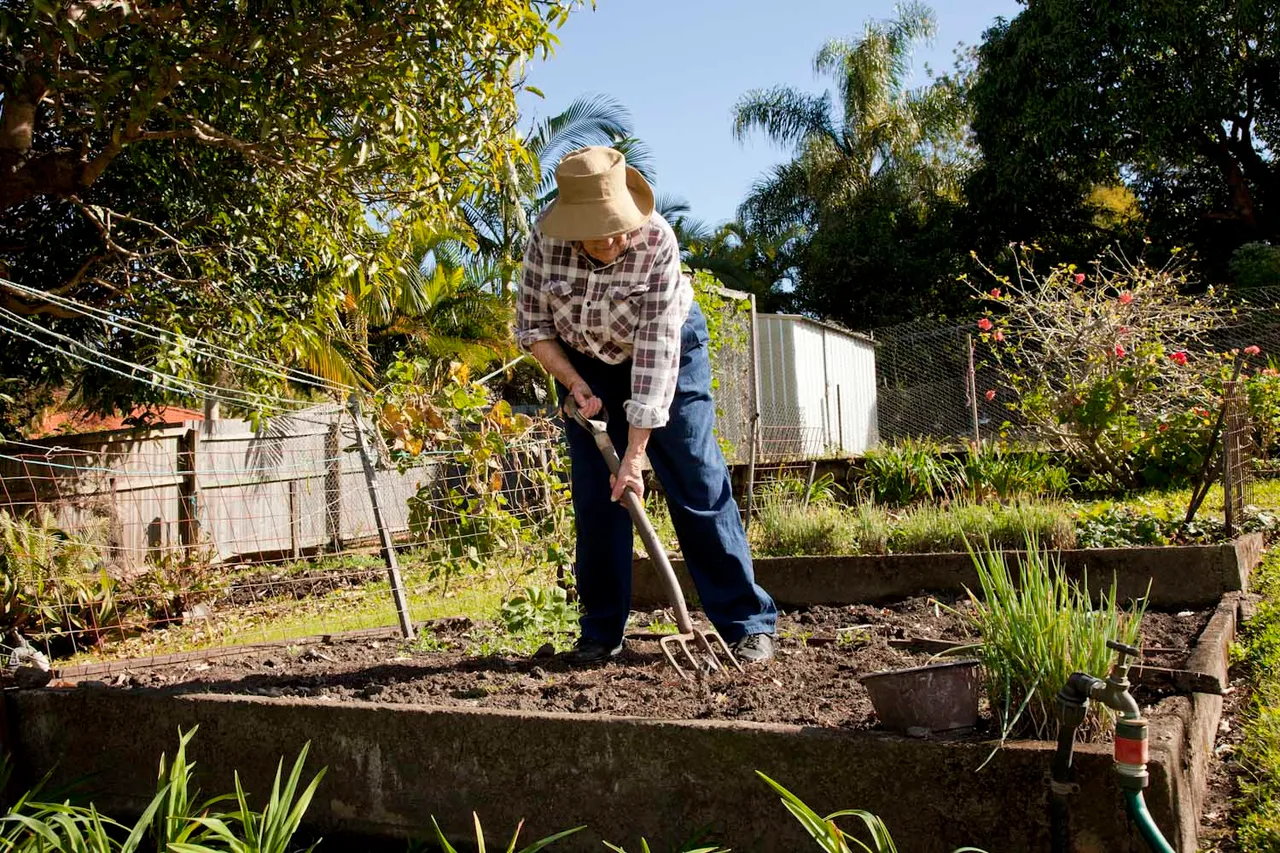
A resilient garden starts below the surface and uses plant selection and layout to do the heavy lifting.
Our Queensland gardens are increasingly shaped by heat, variable rainfall and water restrictions with gardeners searching for ways to reduce watering, fix poor soil and control weeds without chemicals.
Step 1: fix your soil first
Healthy soil holds water, drains well and supports root growth. Many local soils are either sandy and free-draining or heavy clay that compacts and sheds water.
- for clay soils add gypsum and compost to improve structure
- for sandy soils add compost and organic matter to increase water holding
- apply mulch after improving soil to lock in moisture.
takeaway: improving soil can cut watering needs by up to half and reduce plant stress.
Step 2: choose plants that suit the climate
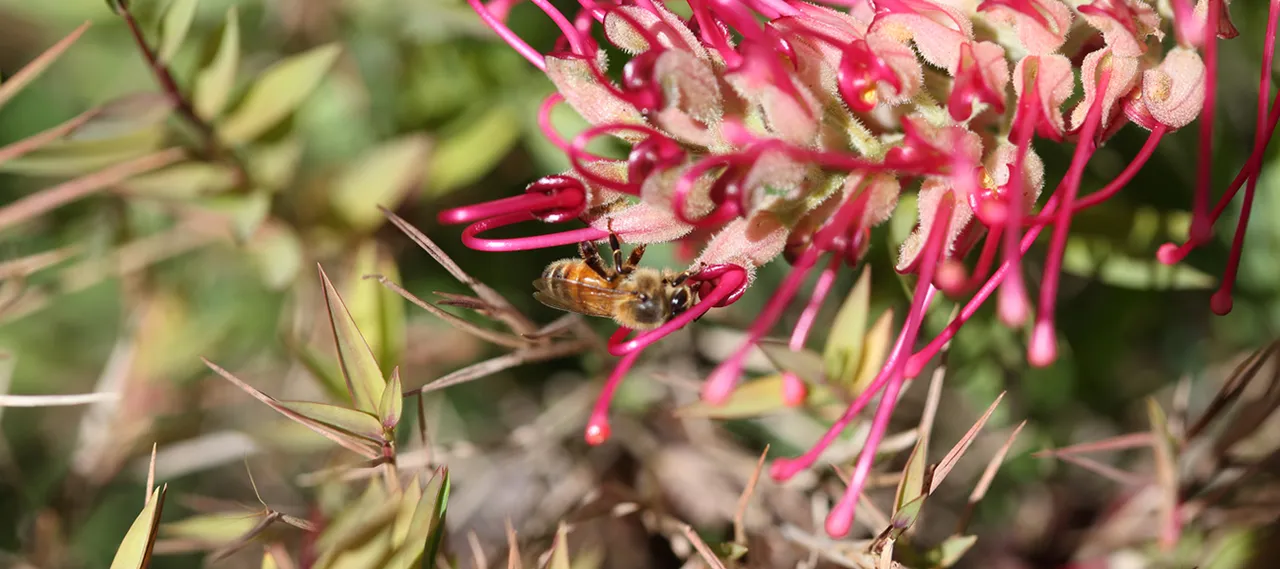
Plant choice is the biggest determinant of success. Select species that tolerate heat and dry periods rather than trying to force thirsty plants to survive.
- native grasses and groundcovers for low water use
- Mediterranean herbs such as rosemary, thyme and oregano
- hardy shrubs adapted to coastal and inland Queensland conditions.
takeaway: the right plants reduce maintenance, watering and replacement costs.
Step 3: mulch correctly
Mulch protects soil from heat and evaporation and suppresses weeds. Many gardens underperform because mulch is too thin or applied incorrectly.
- apply 5 to 10 cm depth across all exposed soil
- keep mulch away from stems and trunks
- top up seasonally as it breaks down.
Step 4: water smarter, not more
Deep, infrequent watering encourages stronger roots and better drought tolerance.
- water early morning to reduce evaporation
- use drip irrigation or soaker hoses for efficiency
- water deeply one to two times per week rather than daily.
Natural weed control that works
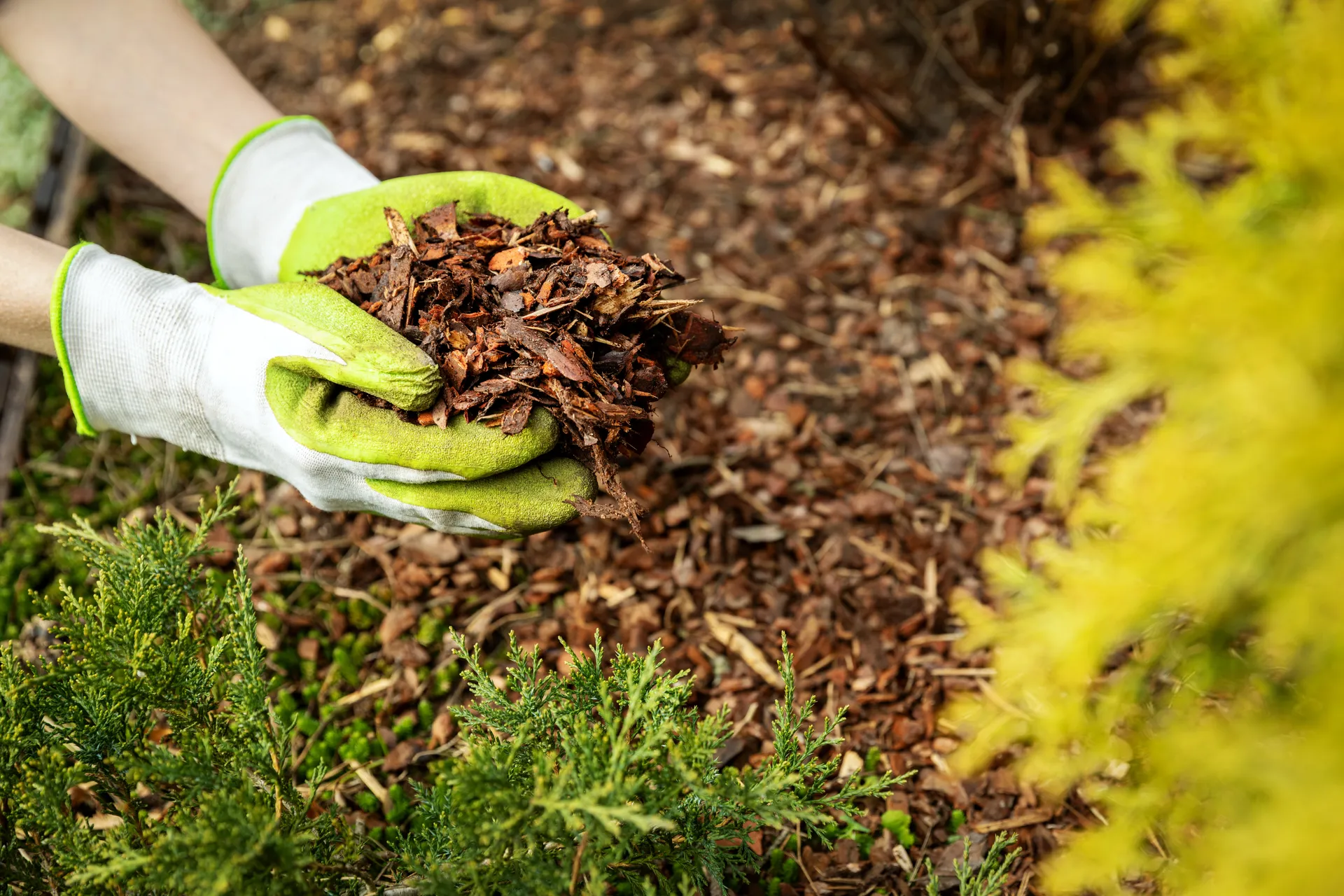
- use thick mulch to block sunlight and prevent germination
- pour boiling water on weeds in hard surfaces like paths
- hand remove before seeding to reduce future outbreaks.
Troubleshooting common garden problems
- plants dying in heat often indicates unsuitable species selection
- water pooling suggests compacted soil that needs aeration and gypsum
- constant weeds are usually caused by exposed soil or thin mulch.
Easy wins for a resilient garden
- plant densely to shade soil and reduce weeds
- install a rainwater diverter or tank for dry periods
- group plants by water needs to avoid over or under watering.