You can help our squirrel gliders
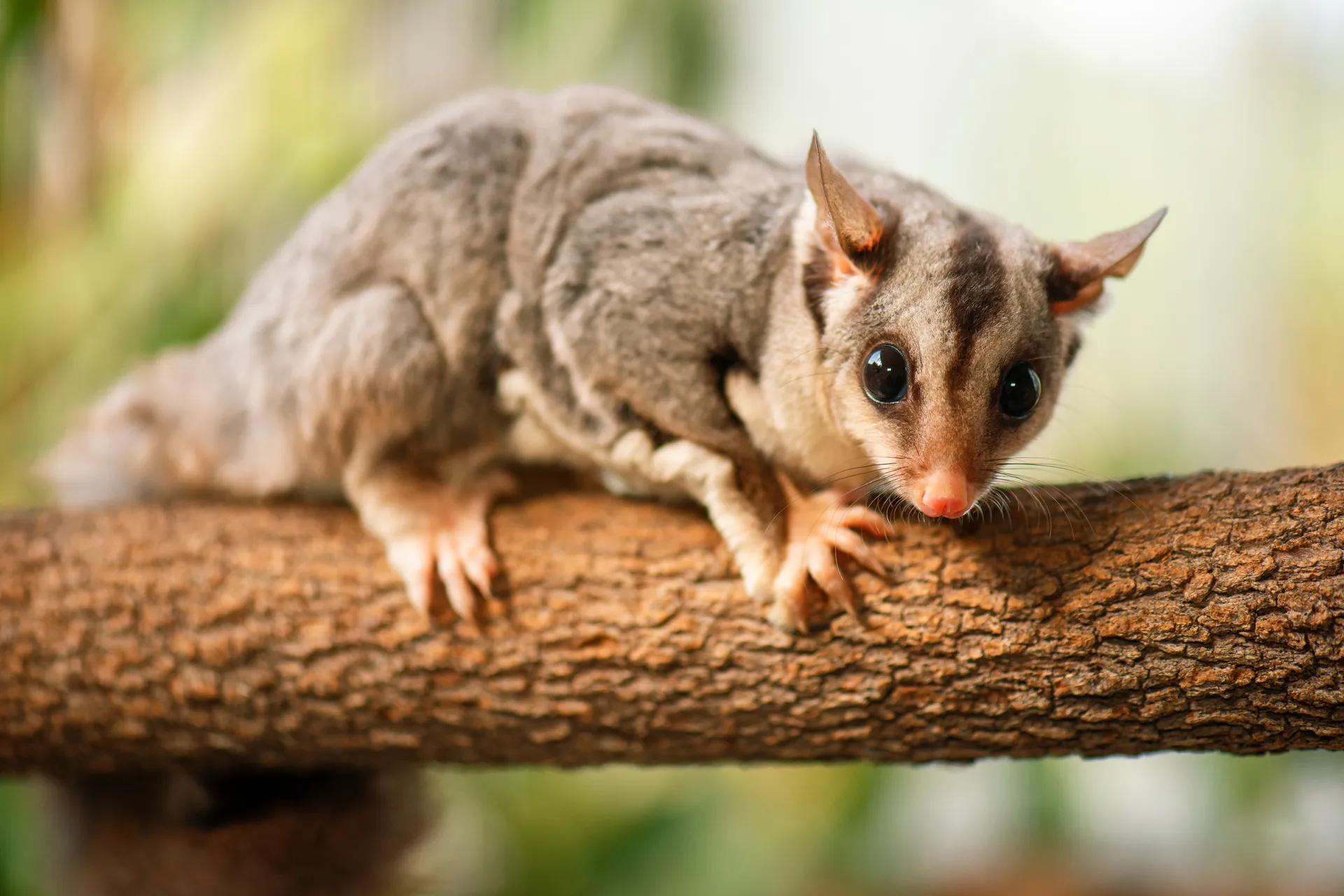
Small actions can make a big difference, find out what to do if you find an injured glider, how to build a nest box and what threats they face and how to help.
Squirrel gliders don't have wings, but they can glide up to 100 metres between tall trees - if you saw one gliding through the night sky, you would think that they can actually fly!
Introducing the squirrel glider
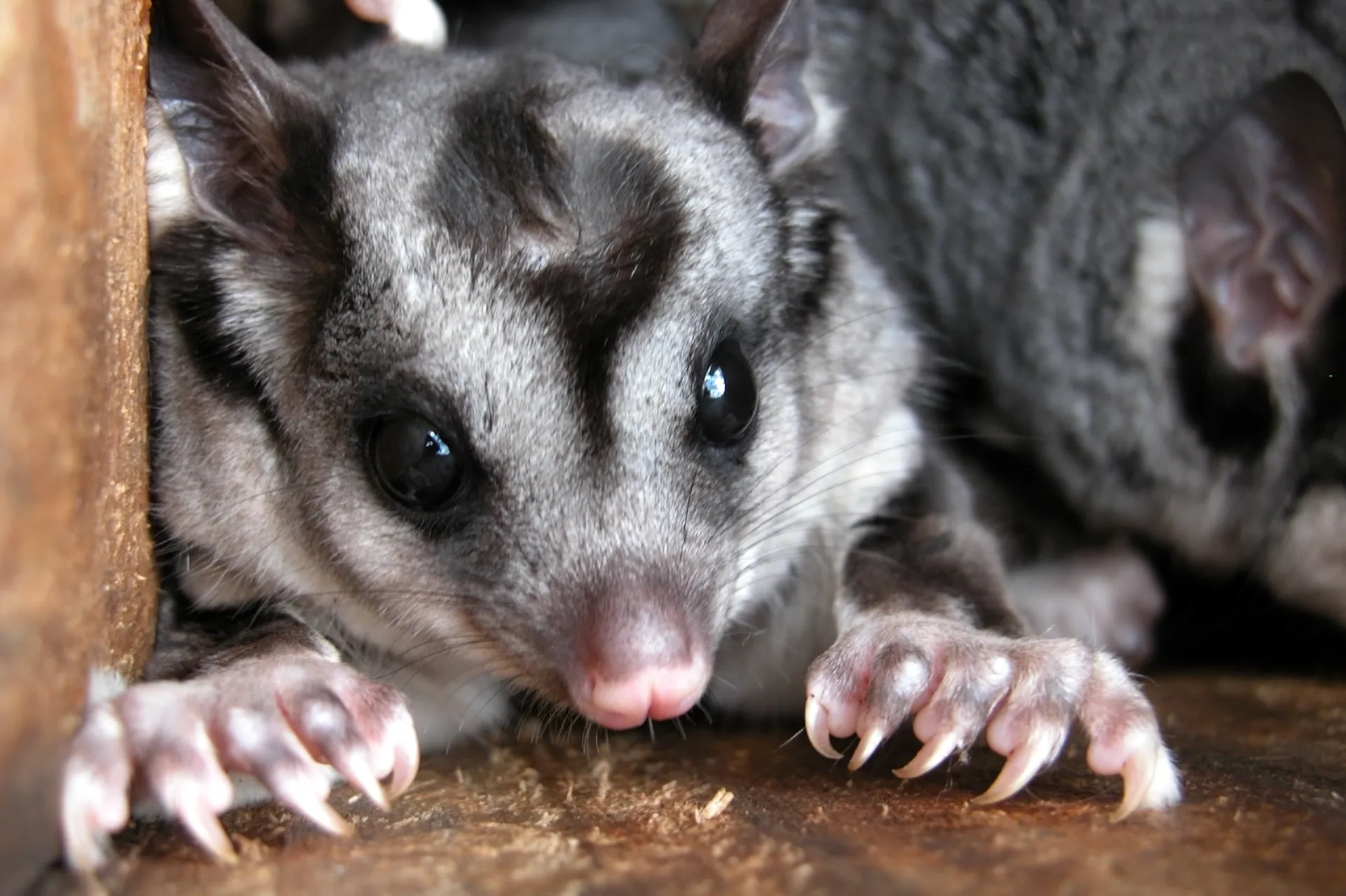
The squirrel glider is a small to medium-sized gliding possum with a built‑in superpower: stretchy skin membranes between their front and back legs that allow them to glide gracefully from tree to tree. They look similar to the Sugar Glider (also found across the Sunshine Coast) but they are larger.
These adorable marsupials live all along Australia’s east coast – from Cape York in northern Queensland all the way down to central Victoria. On the Sunshine Coast, they can be found all throughout the region.
Where do they live, and what do they eat?
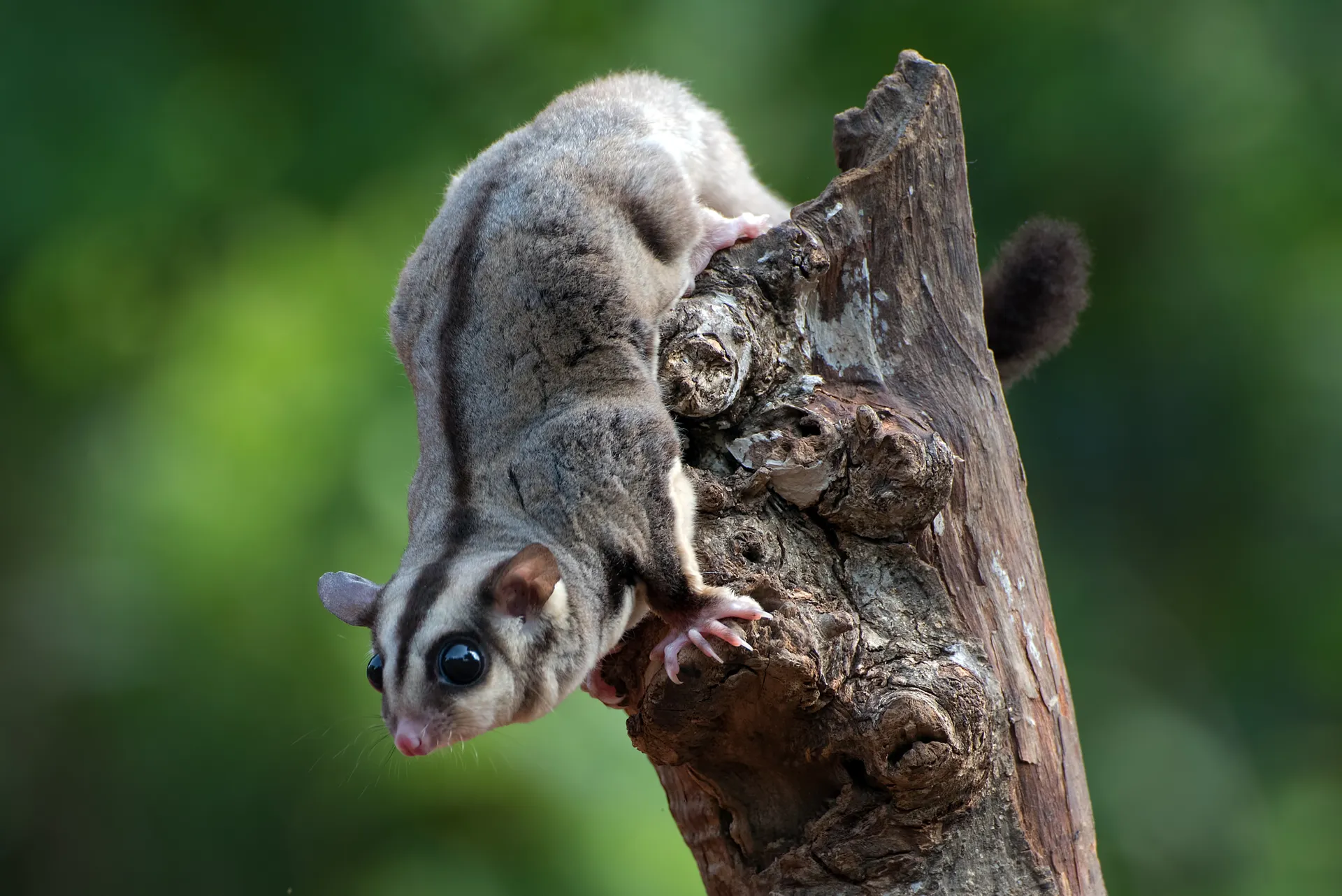
Squirrel gliders love woodlands and open forests rich in shrubs, flowering trees and those all‑important hollow‑bearing trees. These hollows provide safe daytime shelter – because gliders are nocturnal, only venturing out after dark with their excellent night vision.
You’ll rarely find a squirrel glider on the ground. They are arboreal – meaning that they live in trees – and glide between tall trees using their super special skin membranes.
The squirrel glider’s diet is very diverse and includes nectar, pollen plant exudates (like sap or resin), invertebrates and honeydew.
Family life
Squirrel gliders usually live for around 3–5 years in the wild and begin breeding at about 12 months old. Their breeding season runs from April to November, peaking in winter.
Females can raise two young at a time. The newborns stay warm in mum’s pouch for just over two months, then spend another month growing in the nest before starting to join their parents on night time adventures.
Gliders are social animals, often living in family groups including one or two adult males and females with their offspring.
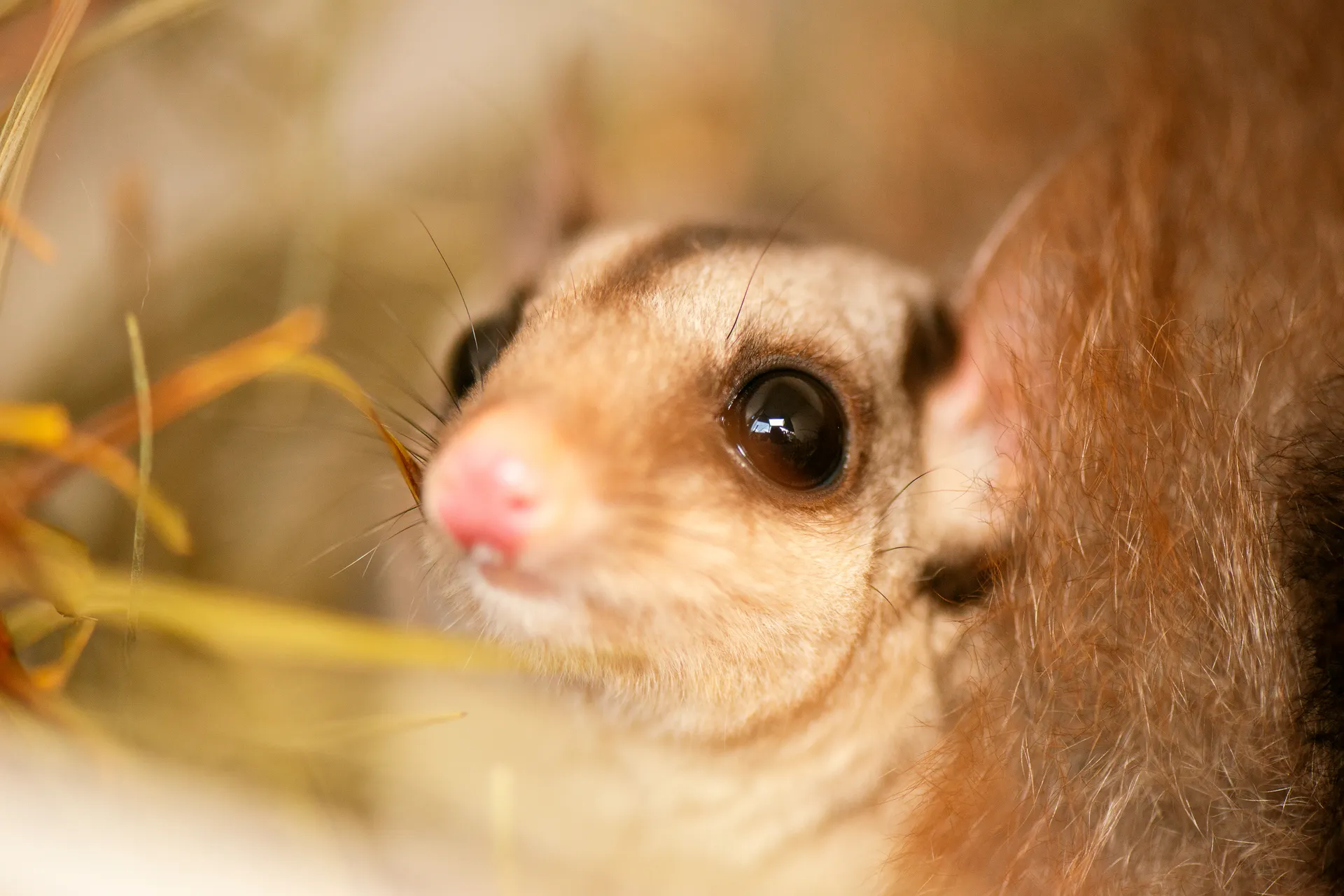
Threats to Squirrel Gliders
Although not listed as threatened in Queensland, squirrel gliders are listed as threatened in NSW, Victoria and South Australia.
One of the biggest threats they face is barbed wire entanglement. Barbed wire can be almost invisible to wildlife, especially at night. Sadly, thousands of animals – including over 70 species of gliders, birds and flying foxes – face a slow and painful death as a result of barbed wire entanglement
Other threats to squirrel gliders include:
- Habitat loss and fragmentation
- Decline of hollow‑bearing trees
- Predation by cats
Barbed wire
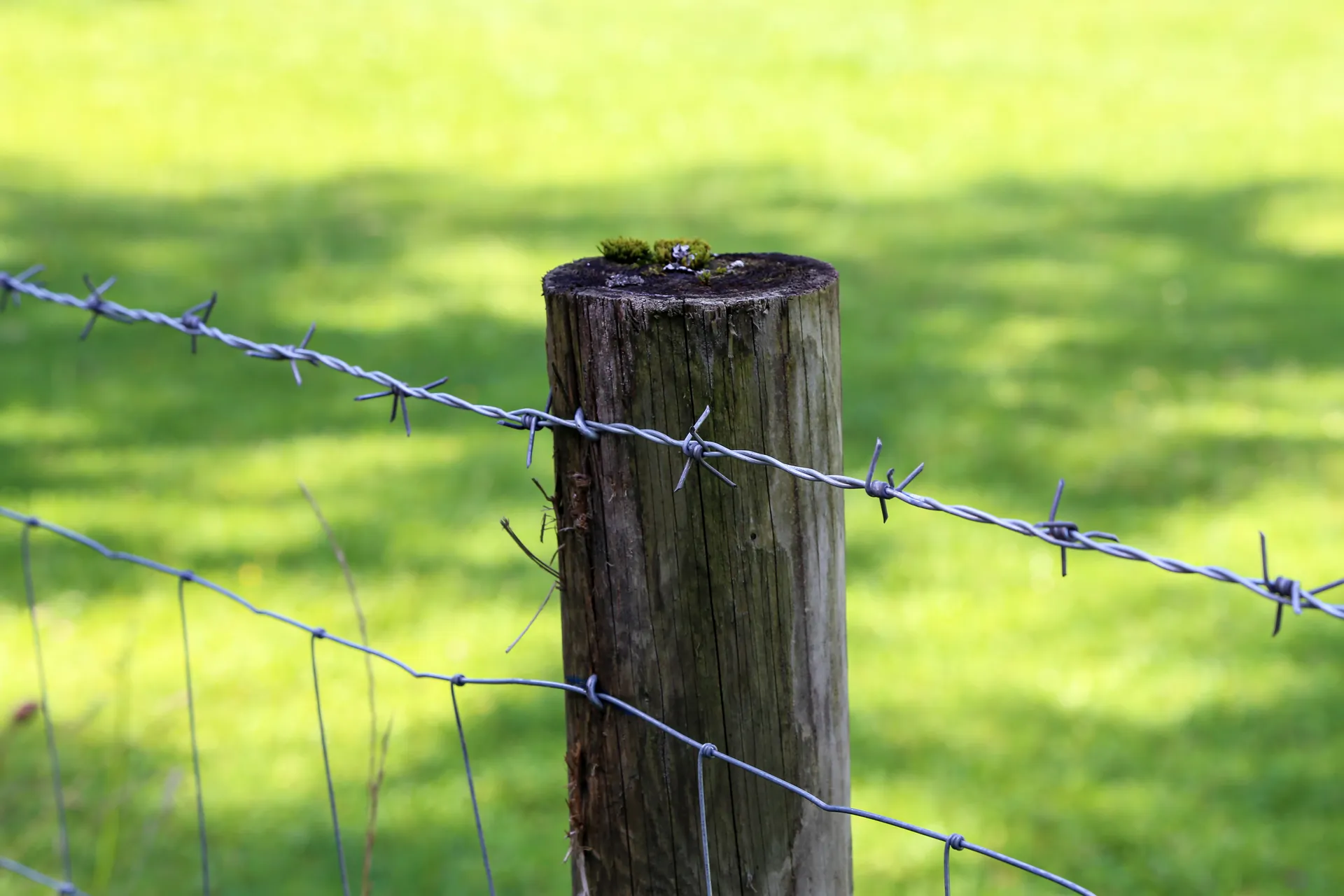
- If you have barbed wire on your property:
- consider replacing it with wildlife‑friendly fencing where possible.
- remove old or unused barbed wire.
- switch the top strand to plain wire or cover it with split poly pipe.
- make fences more visible by attaching items like rags or metal clips
Other ways to help
- report any entangled wildlife immediately to a local wildlife rescue group (please don’t attempt to free the animal yourself, as this may result in further injury) or call the RSPCA hotline phone number 1300 264 625
- keep your pets in at night! Like many of our other native animals, Squirrel Gliders are active at night.
- plant native shrubs and trees in your backyard to provide food and shelter to our local wildlife.
- retain any large hollow-bearing trees you have on your property, for Gliders and other hollow-nesting wildlife like Parrots or Possums to build their nest in.
- install nest boxes on your property if you can. These benefit other animals as well, and there are different sizes based on the wildlife that lives on your property.
How to build a nest box
For a detailed look at all the steps needed to build nest boxes including diagrams, sizes and more, check out Steve Chumbley's guide.
The kits are also available to purchase from Steve's website as well as nest box building workshop details.
Another great resource is the Nest Box Designs website where among other things you'll find nest box designs for a wide range of critters.
Categories: