Keeping school lunches cool, safe and waste‑free
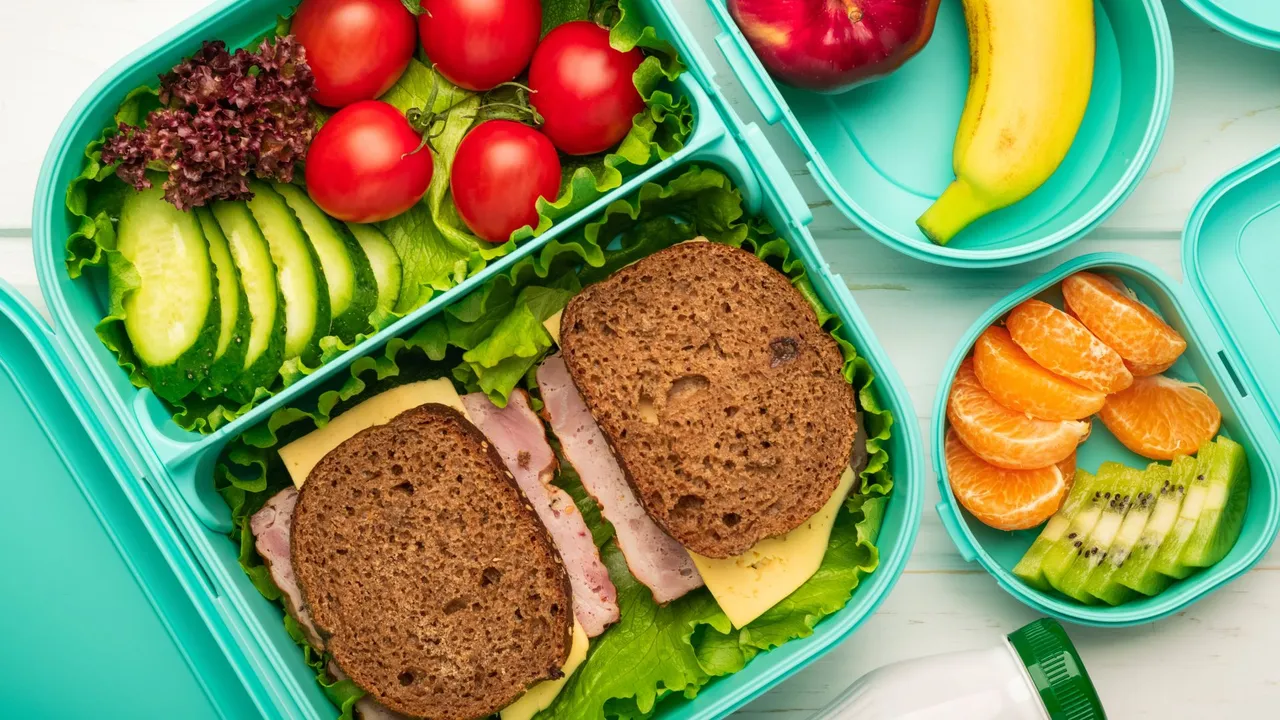
Sunshine Coast summers are hot. Discover practical tips to keep school lunches cool, safe and waste‑free, even on the hottest school days.
With summer temperatures regularly reaching 30–35°C on the Sunshine Coast, school lunches can sit in the heat for hours before they’re eaten. In hot weather, food safety matters just as much as nutrition.
This guide shares practical ways to pack healthy lunchboxes that stay cool, reduce food waste and help keep kids safe through the school day.
Five healthy lunchbox ideas (with eat‑first tips)
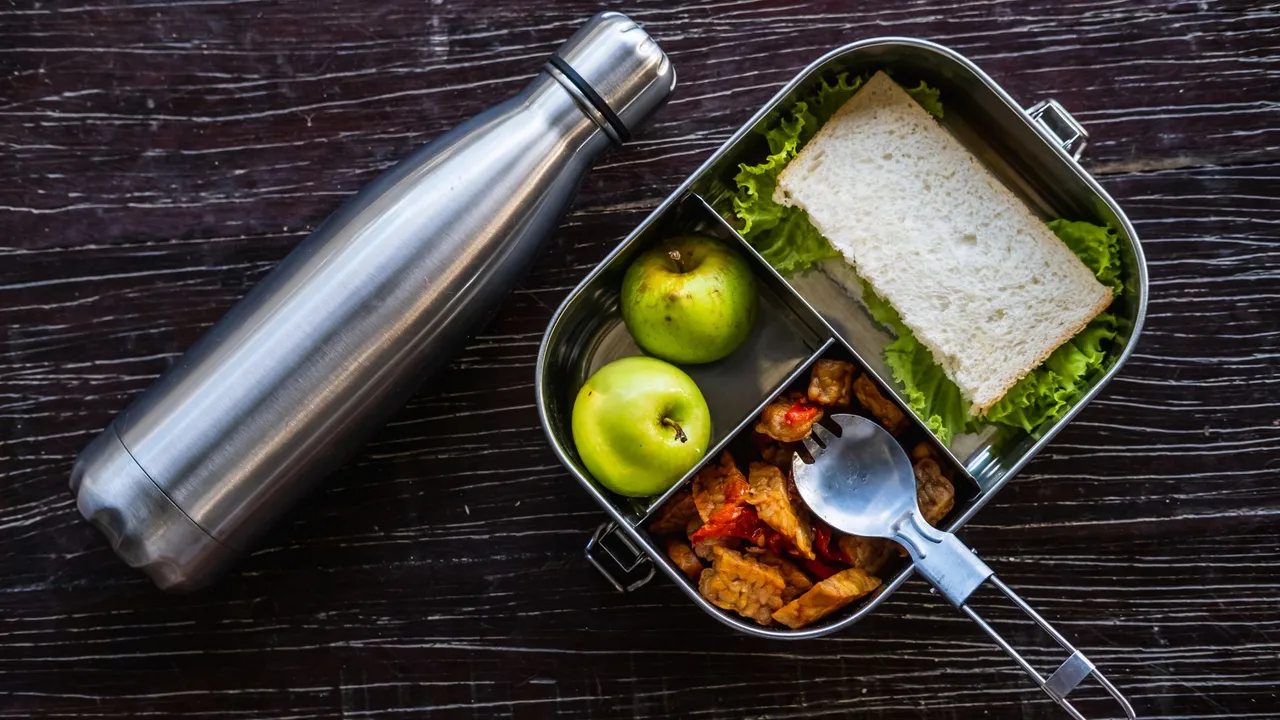
1. Cool‑down bento
Eat first: yoghurt (or calcium‑fortified alternative) and cherry tomatoes.
Lunch: wholegrain wrap with hard cheese and lettuce; whole apple.
Why: dairy and cut vegetables need to stay cold, so eating them earlier reduces risk and waste.
2. Protein‑plus rainbow
Eat first: boiled egg and cucumber sticks.
Lunch: chicken and pesto sandwich (salad packed separately).
Why: eggs and cooked meats are more perishable and should be eaten while still cold.
3. Tuna and crunch
Eat first: hummus with carrot sticks.
Lunch: wholegrain roll with canned tuna and lettuce; pear.
Why: canned fish is lower risk than many fresh meats and suits hot days.
4. Veg‑loaded pasta salad
Eat first: small pasta salad with olive‑oil dressing and mixed vegetables.
Lunch: cheese and salad sandwich; citrus fruit.
Why: cooked pasta warms quickly, so it’s best eaten early.
5. Frozen‑first snack pack
Eat first: frozen yoghurt pouch or frozen fruit pieces.
Lunch: hard‑cheese sandwich on wholegrain bread; banana.
Why: frozen items help keep the lunchbox cool and are ready to eat by morning tea.
Factors to consider when packing
- Sport or PE days: pack extra water (freeze half the bottle overnight) and an additional carbohydrate snack for energy.
- Heavy school bags: choose compact foods like wraps or muffin‑size frittatas that won’t get squashed.
- After‑school activities : include a shelf‑stable snack so perishable foods can be eaten earlier.
How to keep lunches cool all day
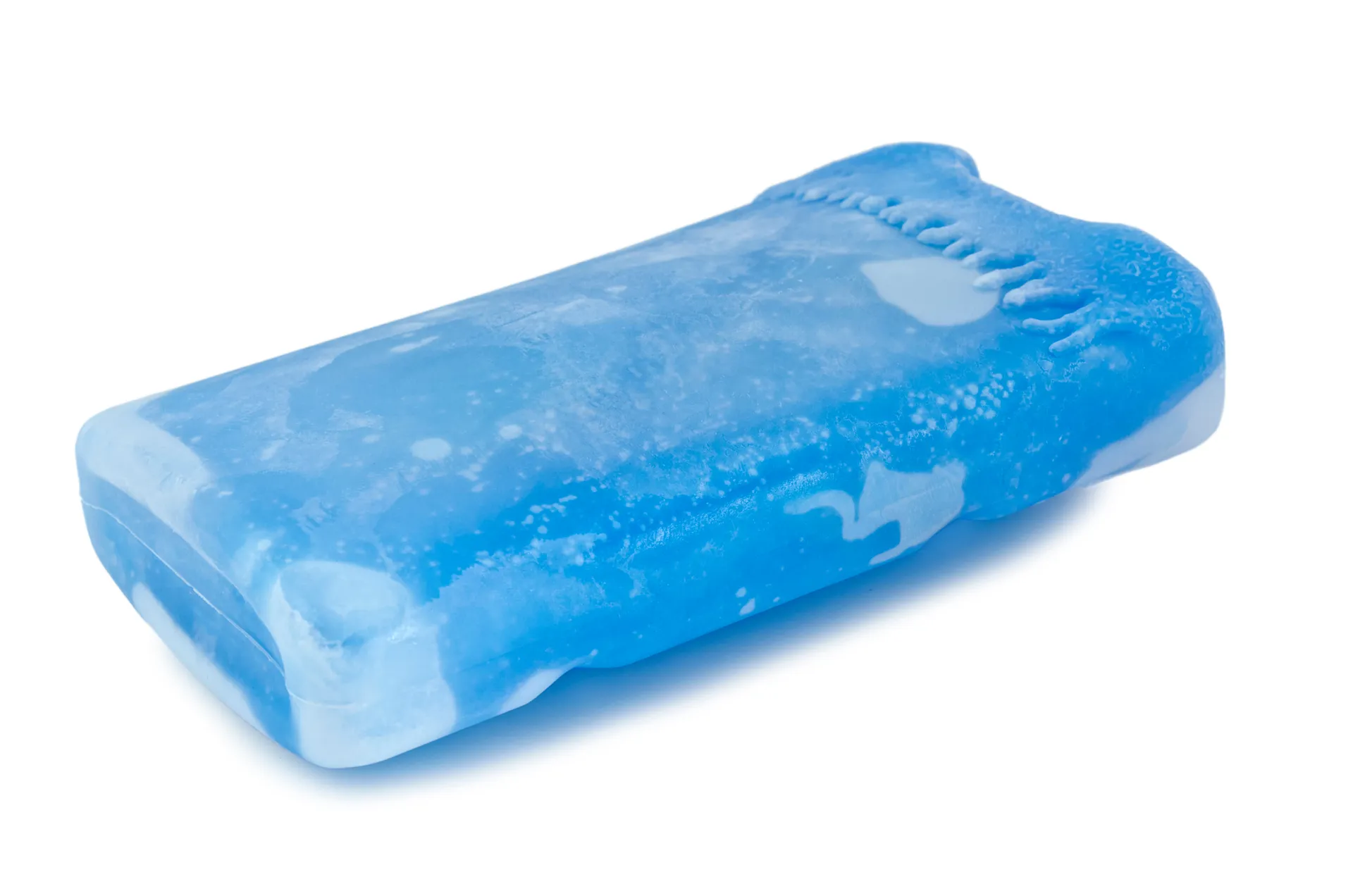
- Use an insulated lunch bag with a thick ice brick or frozen drink bottle.
- Pre‑chill food and the lunch bag overnight; pack straight from the fridge in the morning.
- Place ice bricks on top of food so cold air moves down.
- Encourage kids to keep lunchboxes in their school bag and out of the sun.
What to avoid in extreme heat
- Soft cheeses, creamy dressings, sushi, cooked rice dishes and foods that need constant refrigeration.
- Re‑using uneaten perishable food that has warmed up during the day.
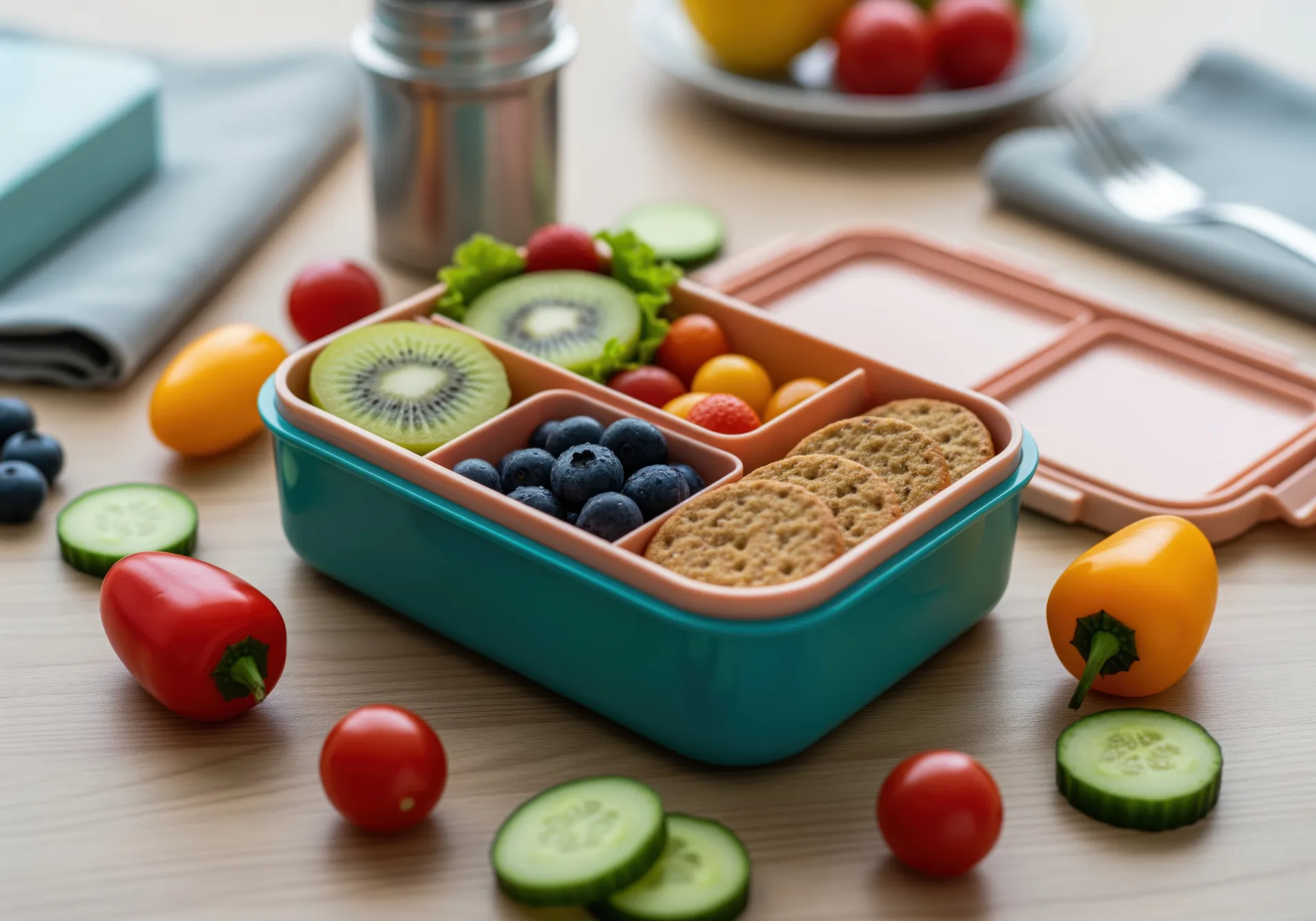
- Best option: an insulated lunch bag with ice bricks. Hard lunchboxes work best when placed inside an insulated bag on very hot days.
How to avoid food waste
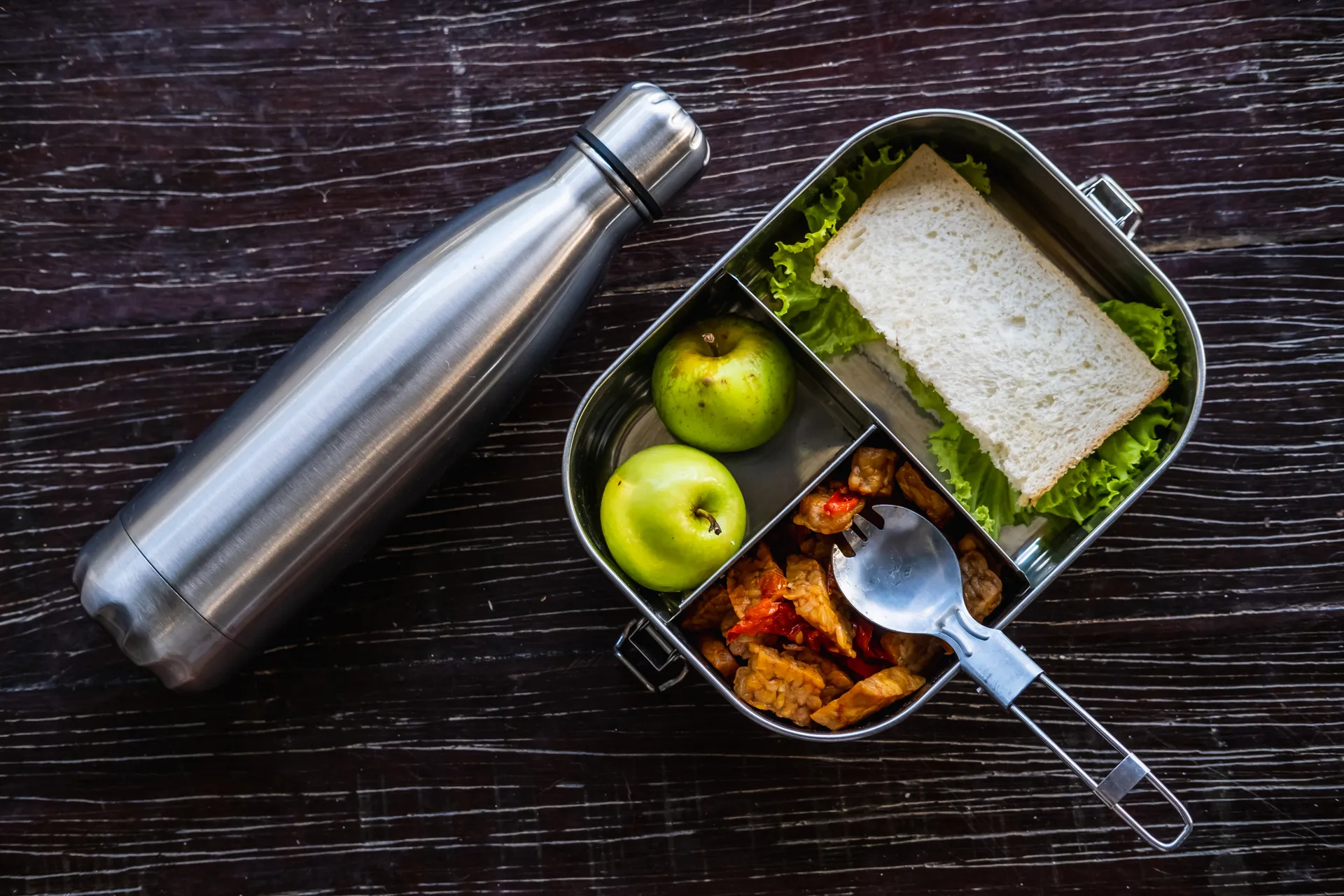
- Pack realistic portions based on your child’s appetite and activity level.
- Keep foods easy to open and eat quickly.
- Involve kids in choosing one lunchbox item each day so food is more likely to be eaten.
- If perishable food comes home uneaten, throw it out rather than re‑packing it.
Pack • Chill • Eat first • Bin it
- Pack an insulated bag + ice brick
- Chill food before leaving home
- Eat dairy, meat and cooked foods first
- Bin perishable leftovers that come home