Top three tips to help turtles
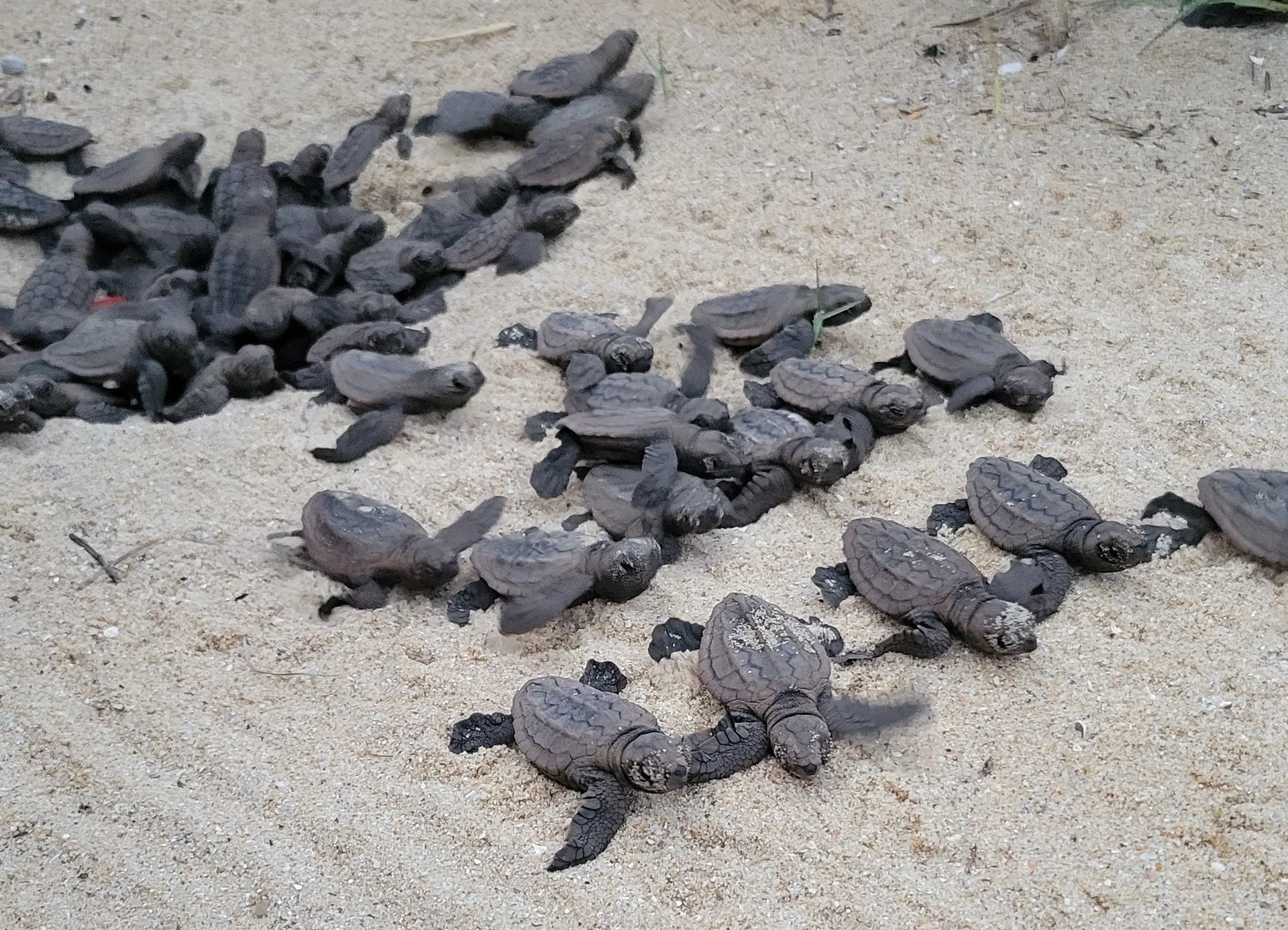
As our turtles start emerging from nests, ready to start their already daunting journey to the ocean, find out how you can help.
Nothing beats that special moment – you've watched the sun set or you've arrived early to catch it rise and you come across dozens of turtle hatchlings emerging from their nest.
This moment is one of the most critical – and vulnerable – stages of their lifecycle and if you're lucky enough to see it, you can help.
Three golden rules
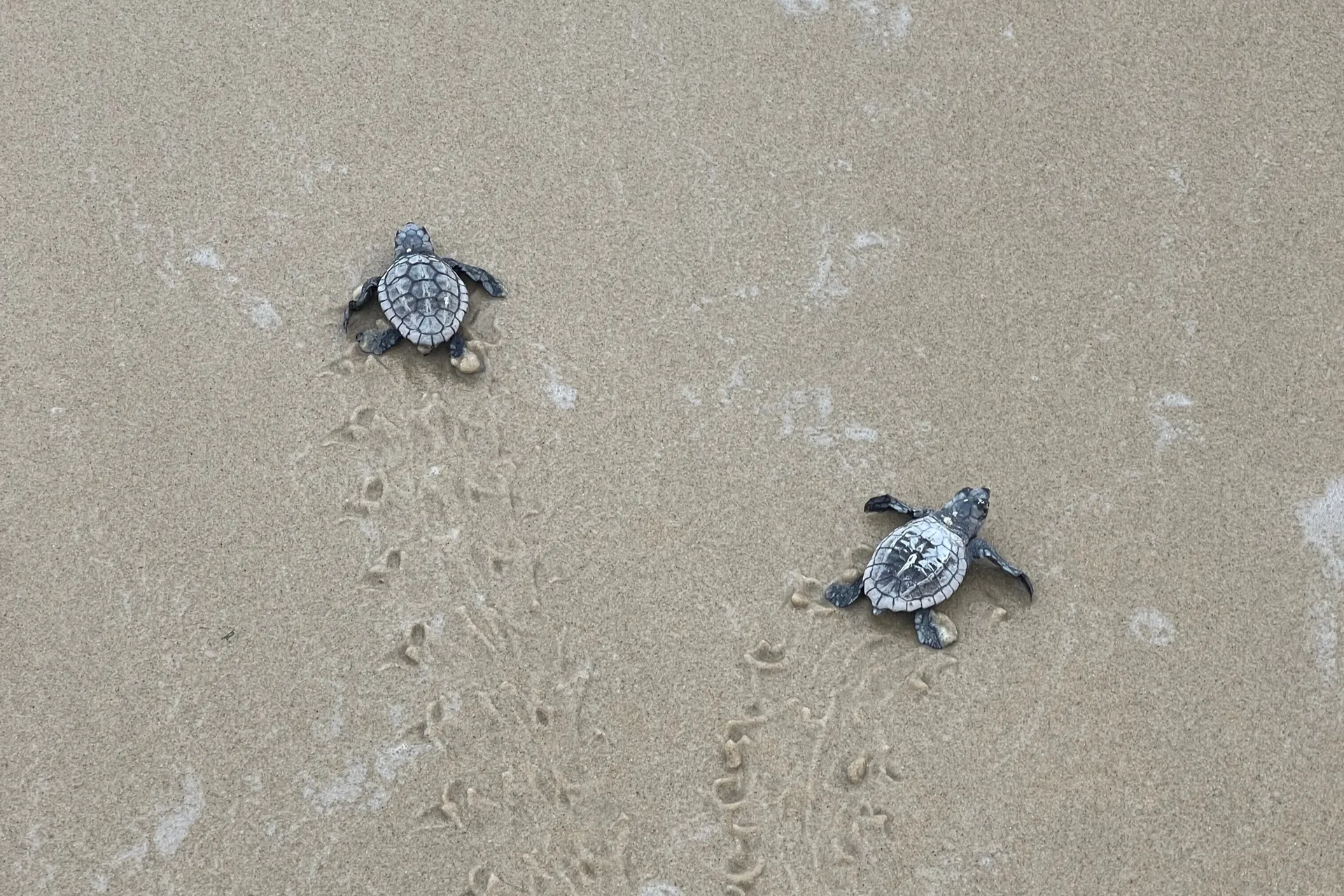
You can help give them the best chance of getting to the ocean safely.
1 - No glow ✔️
Hatchlings instinctively crawl toward the lowest, brightest horizon. Other lights can disorientate them, making their journey more treacherous than it already is.
Rather than reaching for your phone to take a picture, let it all sink in and simply absorb the moment enjoying mindfulness at its best.
Even if you turn your flash off, the glow from your phone is enough to distract them.
2 - Give them room ✔️
Let them walk - they know what to do but they need space to do it.
This early journey determines their survival. Only about one in 1,000 hatchlings reaches adulthood, so every small disturbance matters.
Every moment they are on the sand or in the shallows they are in the danger zone. Once they reach the water, they swim continuously to reach deeper water, safe from predators.
3 - Keep dogs on leads ✔️
Dogs and turtles aren't a great mix, even if your pooch is friendly, getting too close is enough to put the turtles in danger.
Where to see turtle hatchlings
If you would like to view turtle hatchlings, its recommended to visit Mon Repos Turtle Centre in Bundaberg which facilitates public viewing with immersive turtle encounters.
Due to the nature of turtle hatchling emergences, it's impossible to predict the exact date and time that they will begin their journey from the nest to the ocean. And, as the endangered Loggerhead turtle and vulnerable Green turtle are protected and recognised as a species of conservation concern, Sunshine Coast Council and local turtle groups are not permitted to offer ecotourism for turtle watching.
More ways to help everyday
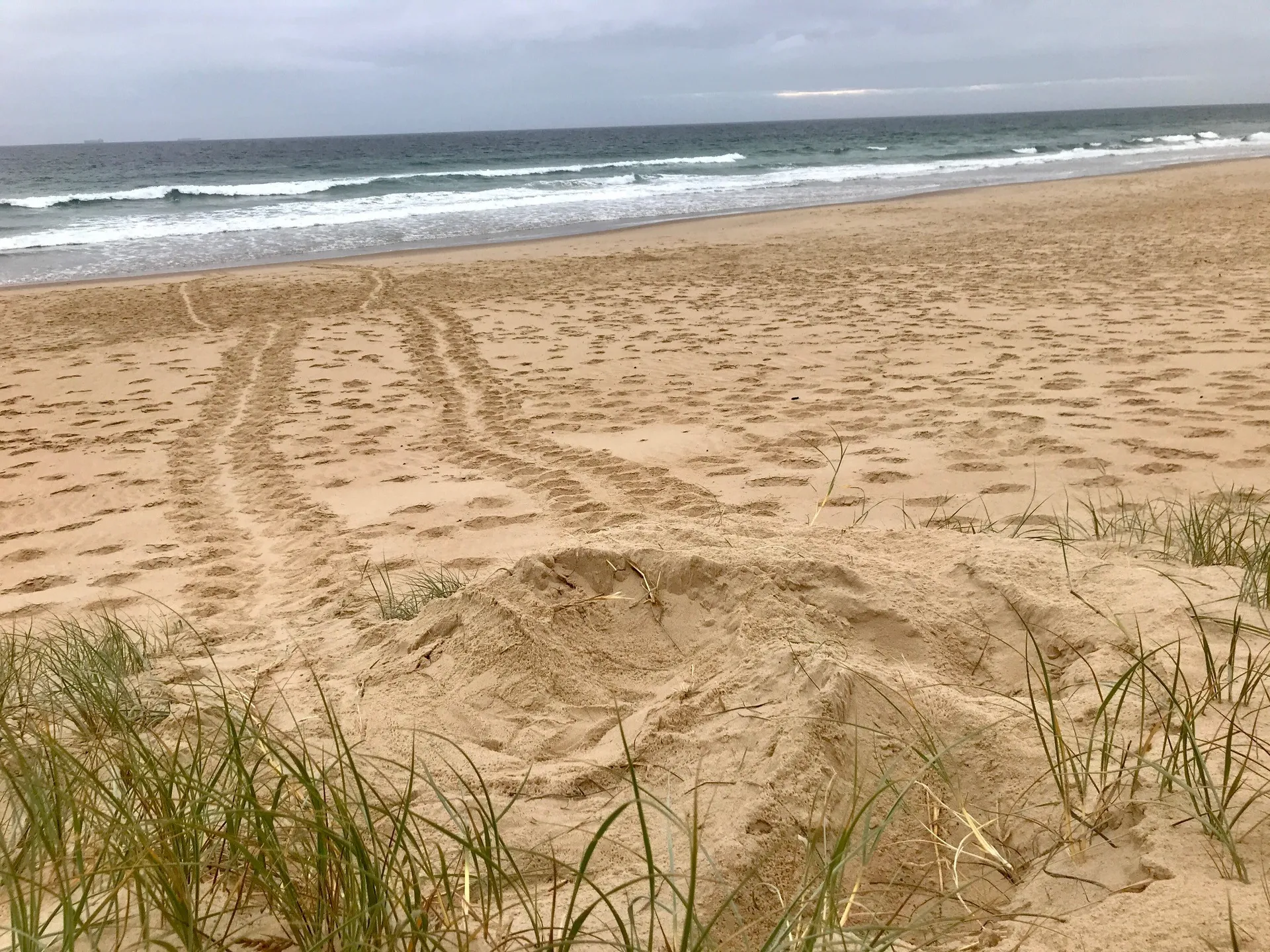
- If you spot a turtle or track, contact:
- TurtleCare on 0437 559 067 - for sightings on the southern end of the coast
- Coolum and North Shore Coast Care on 0478 435 377 - for signings from Maroochydore to the north.
- switch off your outside lights from 8pm as light pollution is distracting for turtles and hatchlings
- always take your rubbish with you from the beach so the turtles have a clean environment to lay their eggs in.
- stay on the right track and use the authorised beach access to reach the ocean to protect turtle nesting habitat.
- join the annual 'Clean up for the Hatchlings' event where the community come together to help clean the beaches.