Keep your pool water clear and lower bills

Our practical guide has all your need to know to keep your pool clean, safe, energy‑efficient and affordable – even through summer.
If you’re lucky enough to have a pool, you’ll know the benefits, but you’re also probably more than aware of the pitfalls.
A pool is also among the most energy‑intensive items to run but with a few simple shifts, you can cut pool running costs dramatically, reduce chemical use, save water, and keep your water crystal clear.

Step-by-step guide
Information provided is for a standard in‑ground pool of about 40–60,000 litres, with a sand or glass media filter and a single or variable‑speed pump.
1. Set an efficient daily filtration plan
The goal is to turn over the entire pool volume once to twice per day. For most Sunshine Coast pools:
- Summer: 6–8 hours/day
- Winter: 3–4 hours/day
Splitting filtration into two or three sessions helps maintain circulation and chlorination. Increase run‑time slightly after heavy use, storms or leaf fall.
Using a Variable‑Speed Pump
Run longer on low speed for everyday filtration; use high speed only for vacuuming or backwashing. Regulated guidance shows higher‑star pumps use markedly less energy (example: a 5‑star variable‑speed pump uses ~55% less energy than a 1‑star single‑speed pump; actual savings depend on pool size and RPM) (energy.gov.au).
2. Shopping list for a more efficient pool
You don’t need everything below; choose according to your pool’s condition and equipment. Prices are indicative and vary by brand and supplier.
Essentials
- Variable‑speed pump (where applicable): energy‑efficient, quieter operation
Typical retail range: $950–$1,400 (examples across brands and retailers)
Sources: Bunnings pump range , Pool & Spa Warehouse pump listings - Pool test kit or test strips: weekly water balancing
$10–$30, widely available - Skimmer socks / fine mesh bags: catch oils, pollen, small debris
Around $10 - Pool brush: nylon or combo for weekly brushing
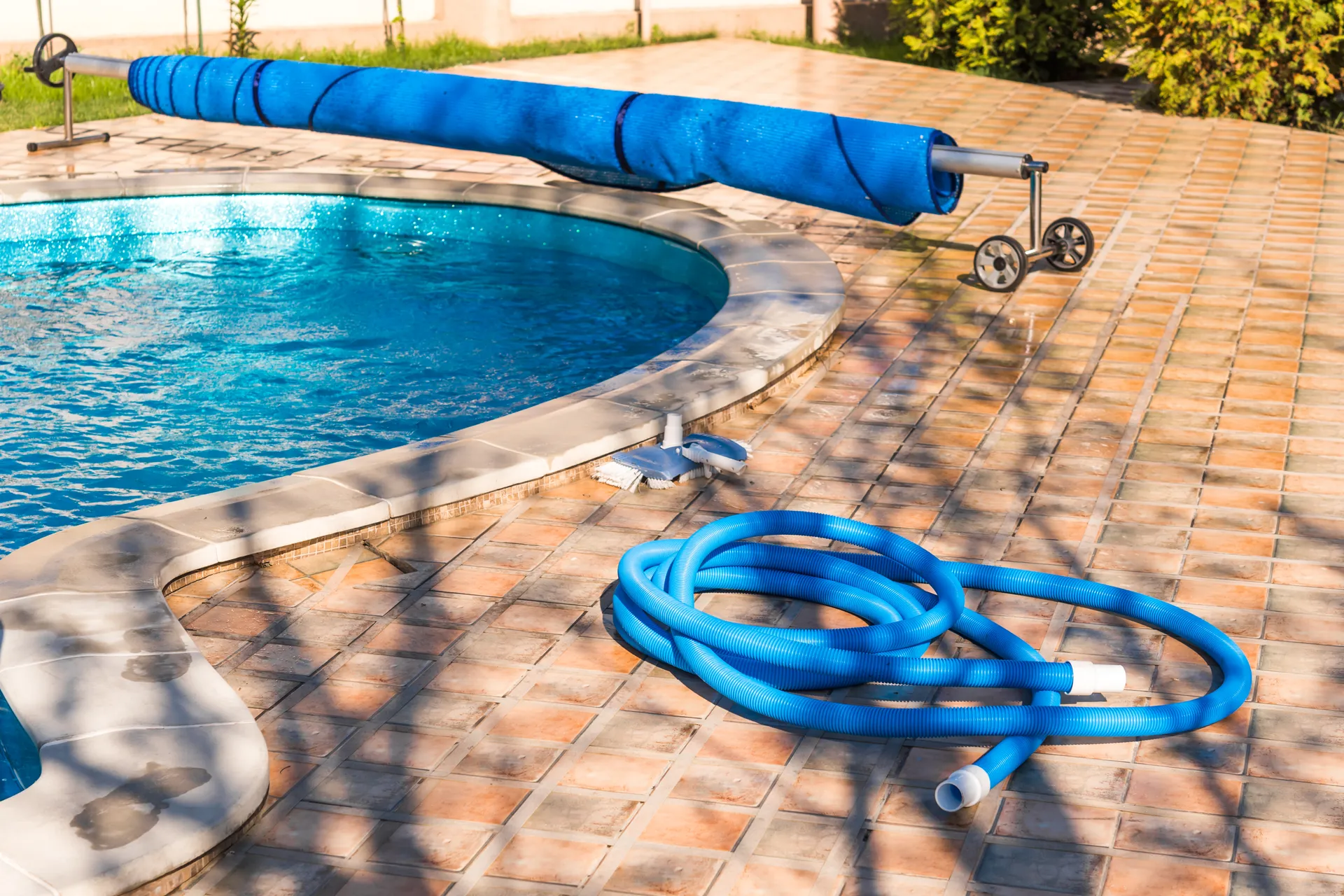
$20–$40 - Manual vacuum head + hose (if no robot): deep‑cleaning floor
$40–$80
Nice‑to‑Have Upgrades
- Robotic cleaner: independent of main pump; typical draw ~100–200 W per cycle; reduces need for high‑speed pump cleaning
$500–$1,500 depending on model
Sources: Pool Robots Australia — energy use overview , general comparison context Dreame Tech blog - Solar or thermal pool cover: reduces evaporation dramatically; cuts chemical loss; keeps debris out
$120–$300+ depending on size and thickness
Source: US EPA WaterSense — pool covers
Controls and Tariff‑Ready Add‑Ons
- Plug‑in timer or smart plug: automates run‑times
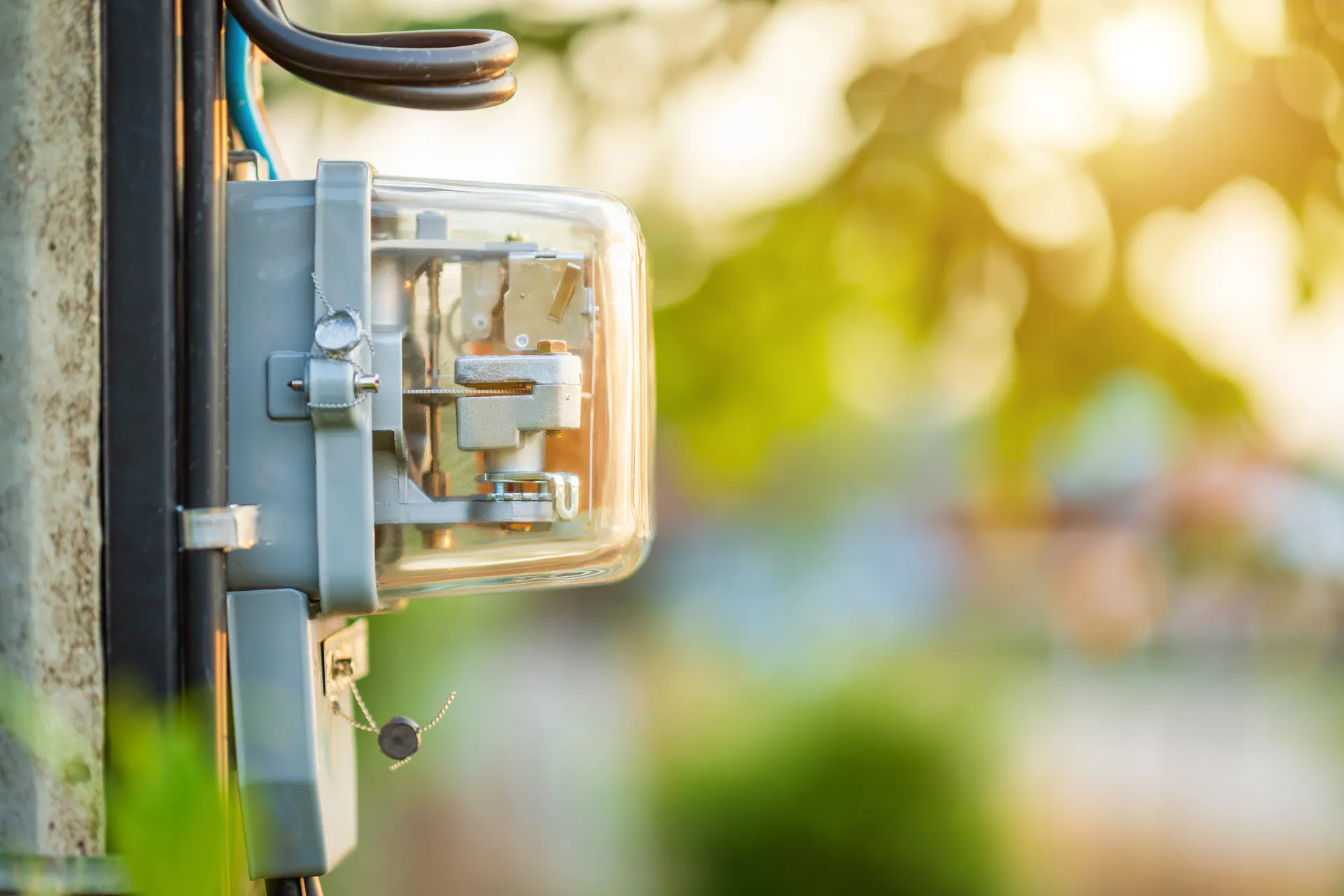
$25–$75 - Economy tariff connection (Queensland): cheaper controlled‑load power for pumps that don’t need constant supply
Licensed electrician required
Sources: Energex — economy tariffs , Energex — pool tips & tariff windows , Ergon Energy — tariff 31/33 rates
3. Weekly Care That Keeps Costs Down
Small habits prevent big problems:
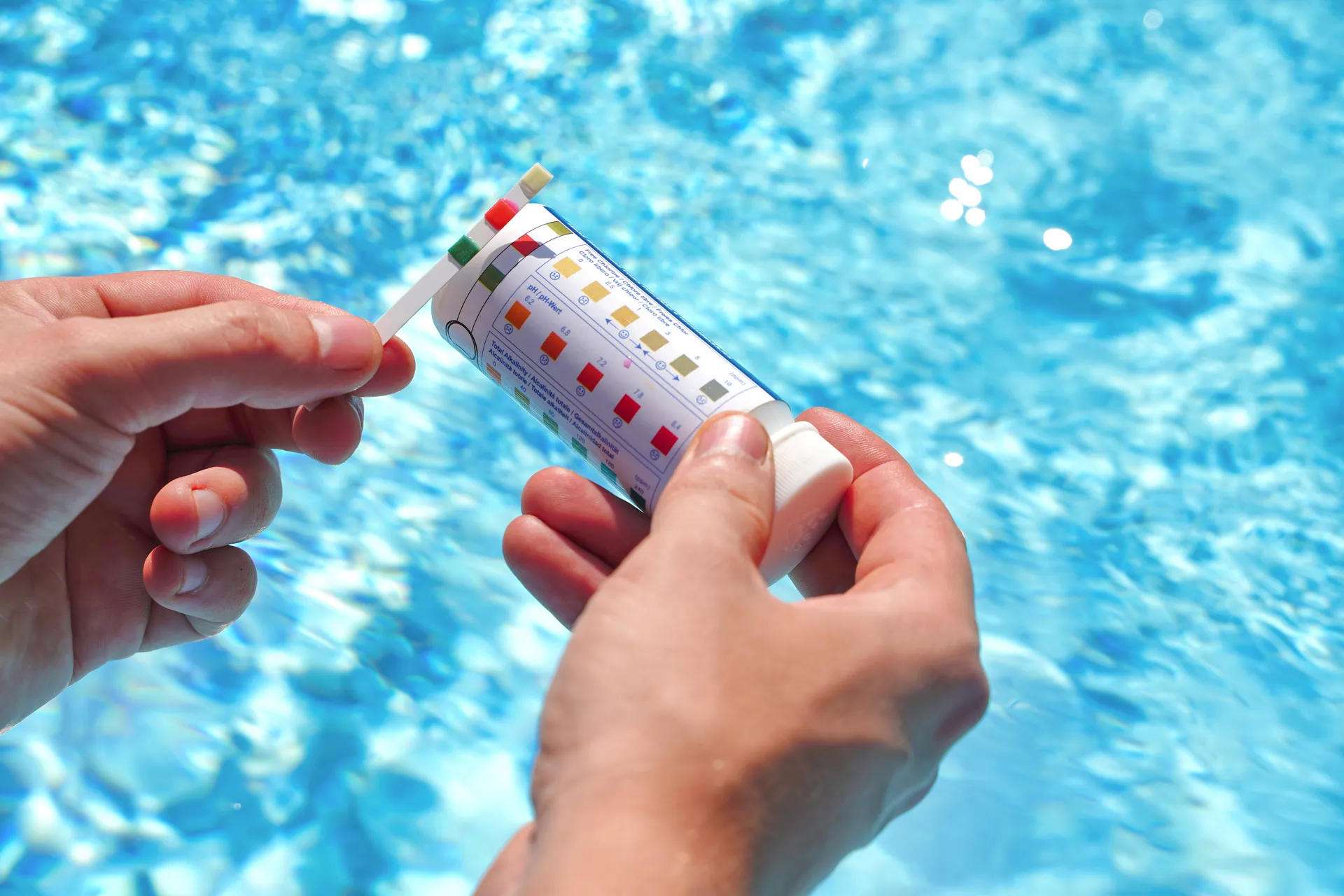
- Test pH and sanitiser weekly; keep pH 7.2–7.6 within the Australian operating band 7.0–7.8 (Standard AS 3633)
Sources: SPASA — water balance , summary factsheet (AS 3633 ranges) Local Pool Shop PDF - Empty skimmer and pump baskets regularly to maintain flow
- Brush walls, steps and waterline weekly to prevent biofilm
- Vacuum or run a robot and clean its filter after use
- Maintain water level at mid‑skimmer
Filter Cleaning and Backwash
For sand/glass media filters, backwash when pressure rises ~8–10 psi above clean baseline; follow with a short rinse so loosened fines don’t return.
Always turn the pump off before moving valve positions. Pressure‑based triggers are widely recommended by manufacturers and training resources (Swim University; many how‑to references align on the +8–10 psi signal).
4. Troubleshooting: Clear Water Every Time
Cloudy water
- Increase filtration by 1–2 hours/day for 24–48 hours
- Brush walls and steps thoroughly
- Confirm pH 7.2–7.6 and sanitiser are in range
- Vacuum floor; backwash if pressure is high
Sources: general filtration run‑time ranges and turnover guidance ( energy.gov.au , Pool & Spa Life )
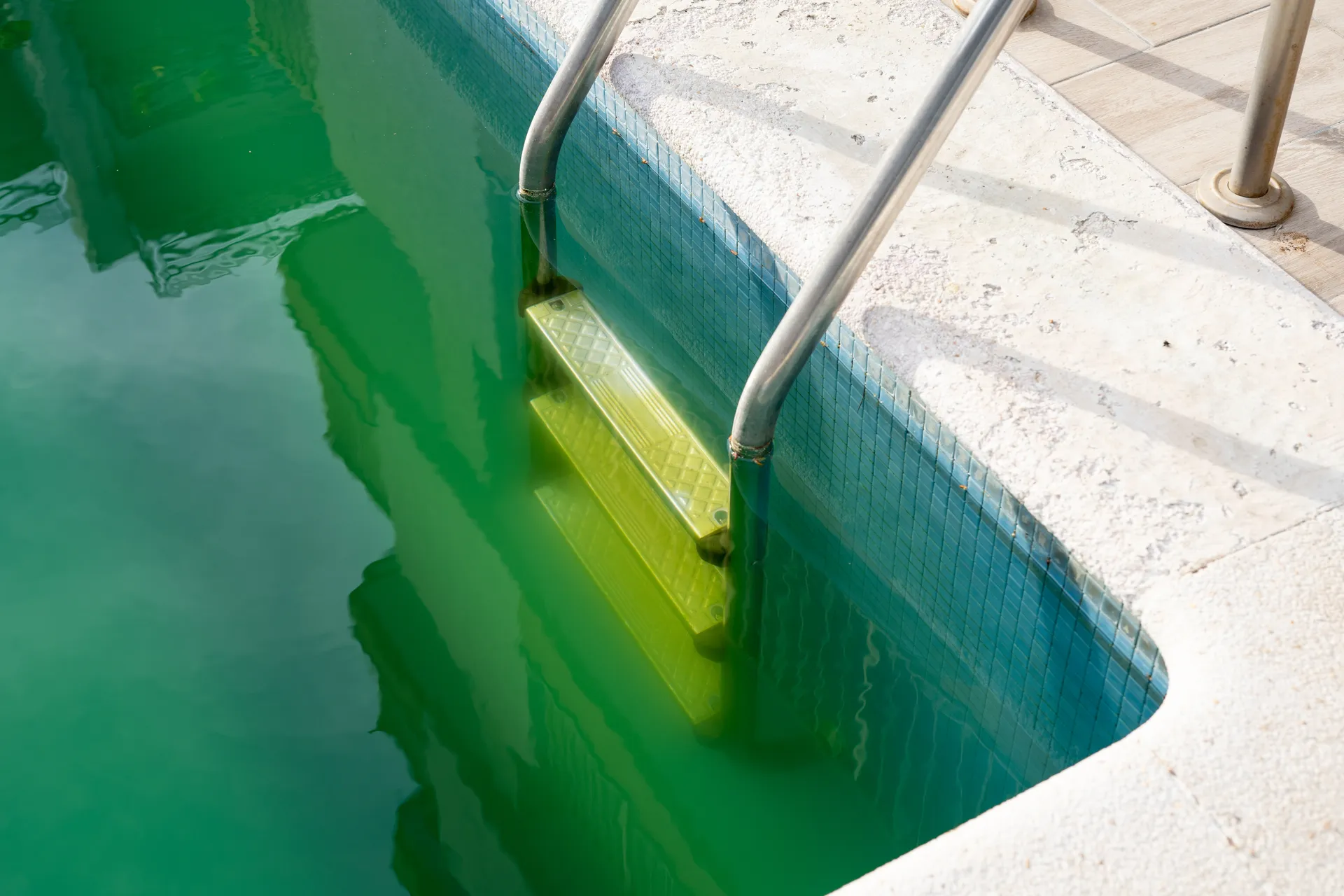
Green tint or visible algae
- Shock dose sanitiser per label
- Run pump continuously for a day if needed
- Brush and vacuum; backwash next morning
Strong “chlorine” smell
- This usually means chloramines, not excess free chlorine
- Shock/oxidise; improve ventilation and circulation
Sources: CDC Healthy Swimming — chloramines , Chemical Safety Facts — chloramines
Low flow even after basket clean
- Check the filter pressure; if +8–10 psi above normal, backwash and rinse
- Inspect for blocked skimmer socks or a full robot filter
5. Sustainability Wins
You can reduce energy, water and chemical use with simple choices:
- run longer at low speed (variable‑speed pumps) to maintain turnover with less power ( energy.gov.au )
- connect to an economy tariff if suitable: Tariff 33 supplies ≥16 hours/day (usually outside 4–9 pm); Tariff 31 supplies ≥8 hours/day overnight; set timers to available windows ( Energex , Energex pool tips )
- fit a pool cover: well‑used covers can prevent most evaporation, cutting top‑ups and chemical loss ( EPA WaterSense )
- choose LED pool lighting where applicable: significantly lower power than halogen/incandescent (brand‑ and model‑specific)
- dispose of backwash responsibly: follow utility rules and never discharge to stormwater without council approval. Check regulations on the Unity Water website.
6. Consider an Economy Tariff (Queensland)
For pumps that don’t require constant supply, controlled‑load tariffs can reduce running costs:
- Tariff 33: minimum 16 hours/day, usually outside 4–9 pm
- Tariff 31: minimum 8 hours/day, typically overnight
- Set timers ~morning to mid‑afternoon to avoid typical interruptions and make use of cheaper windows. More info visit the Energex pool page )
- Rates and eligibility vary by retailer; check current pricing (regional example rates shown on Ergon Energy — economy tariffs )
7. When to Call a Professional
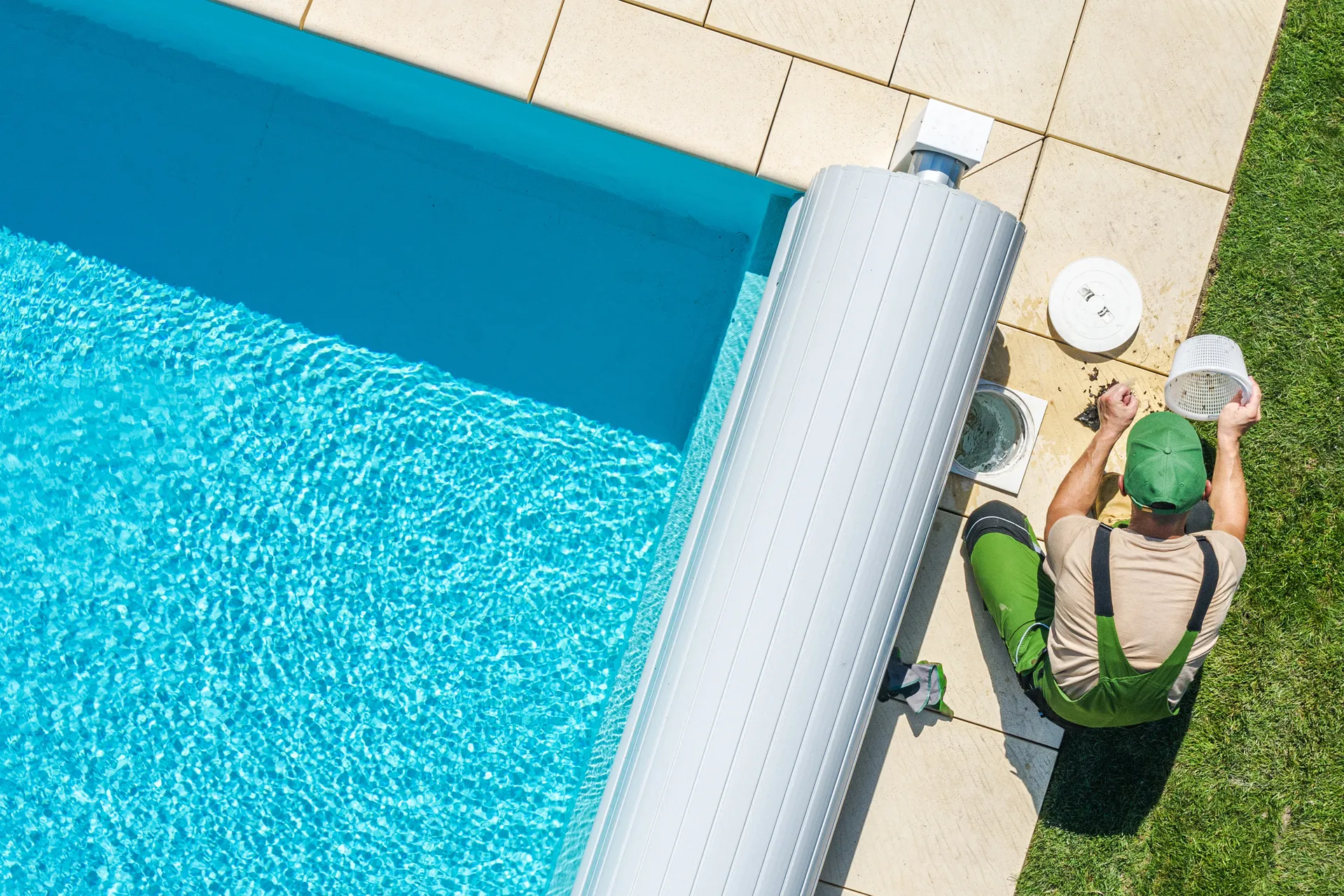
Call a technician or electrician if:
- pressure rises quickly again after a thorough backwash and rinse
- the pump is noisy, runs hot, or trips power
- the chlorinator fails to maintain sanitiser despite correct run‑time
- the pool stays cloudy or turns green after action on chemistry and filtration
A short diagnostic visit can prevent bigger repair bills later.
Your take-aways
- Clear water and lower bills come from steady, low‑speed filtration, correct run‑time, clean baskets and filter, and a cover to cut evaporation.
- Economy tariffs can reduce electricity cost, while weekly care keeps the system efficient and the water safe.
- Follow local rules for wastewater, use shock and brushing when issues appear, and enjoy a cool, clean pool through the Sunshine Coast summer.
Categories: