Borrow, save and share seeds at libraries
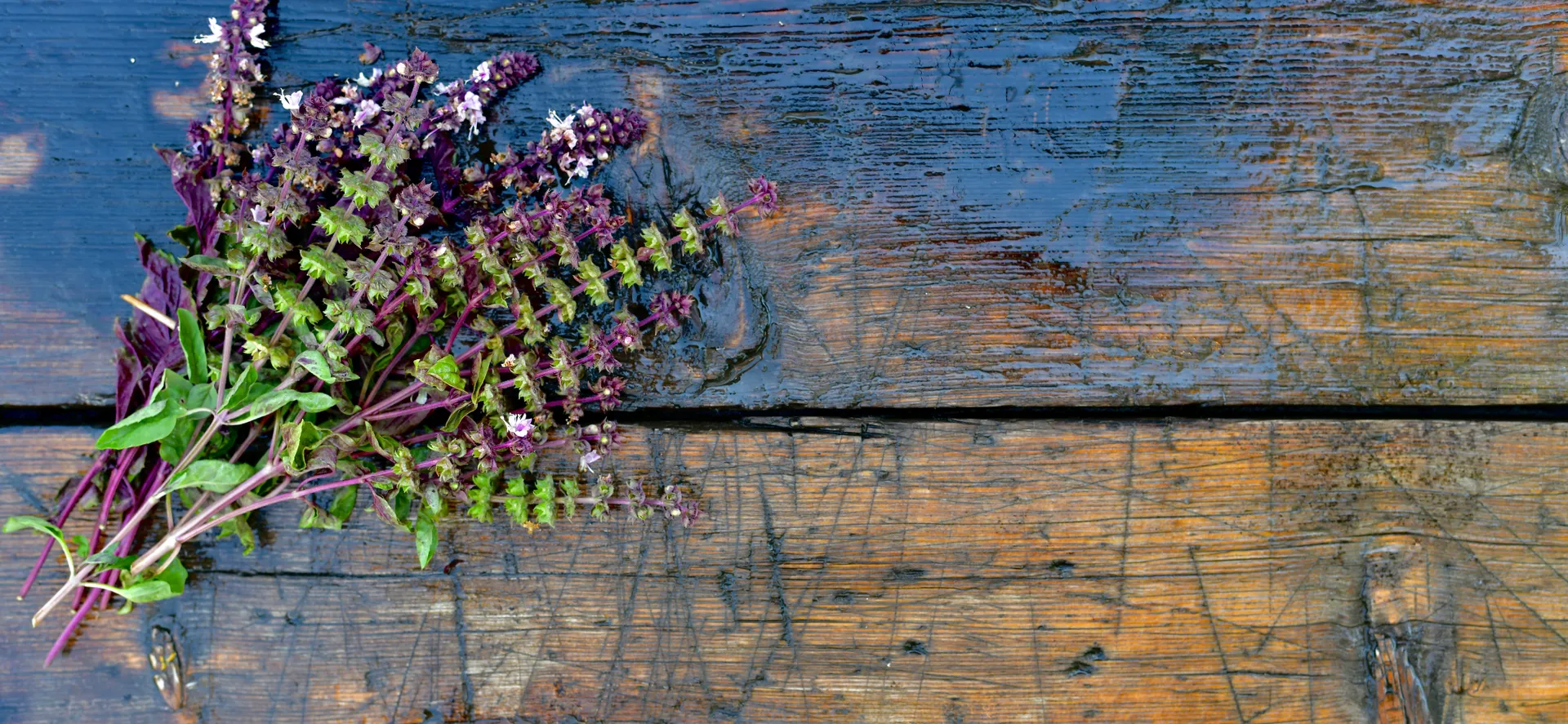
Grab, grow and donate seeds to your local library
Did you know you can borrow seeds from any Sunshine Coast Library — just like borrowing a book?
The Seed Library is a simple, sustainable way to grow fresh food at home while helping strengthen our region’s local seed diversity.
Here’s how to get started and how you can give back to keep the cycle growing.
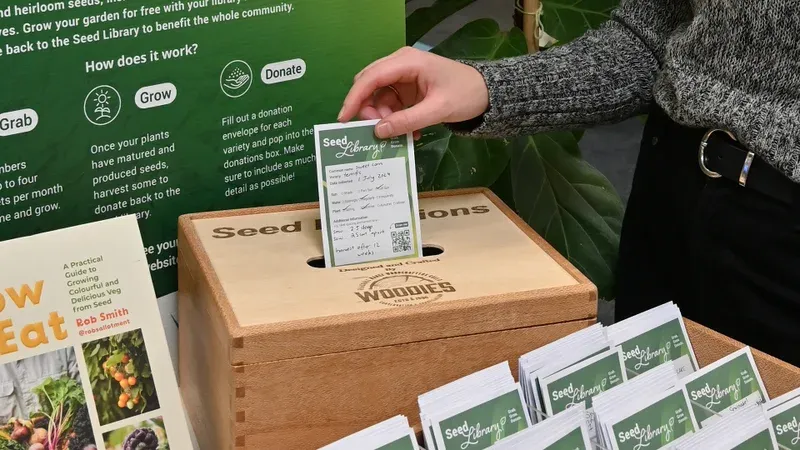
How the seed library works
- borrow seeds from your local library
- grow them at home — veggies, herbs, flowers or natives
- save some seeds once your plants mature
- return a portion so other residents can grow them too.
It’s a community-powered system that thrives thanks to home gardeners who donate seeds from their own patch. Every contribution helps build a more resilient local food system and supports plant diversity across the Sunshine Coast.
Harvesting seeds is much easier than most people think. Follow these simple steps to collect and return seeds with confidence.
1. Choose your best plants
Pick healthy, productive plants in your garden. Strong plants produce strong seeds.
2. Let them fully mature
Allow fruit, flowers or seed pods to mature on the plant.
✔ Ripe fruit
✔ Brown, dry flowers
✔ Fully formed seed pods
3. Collect and clean
Once mature, harvest the seeds.
Remove any pulp, husk or debris so the seeds store well.
4. Dry completely
Spread seeds out in a warm, shaded spot until they’re crisp and dry.
This prevents mould and ensures they last longer.
5. Label and store
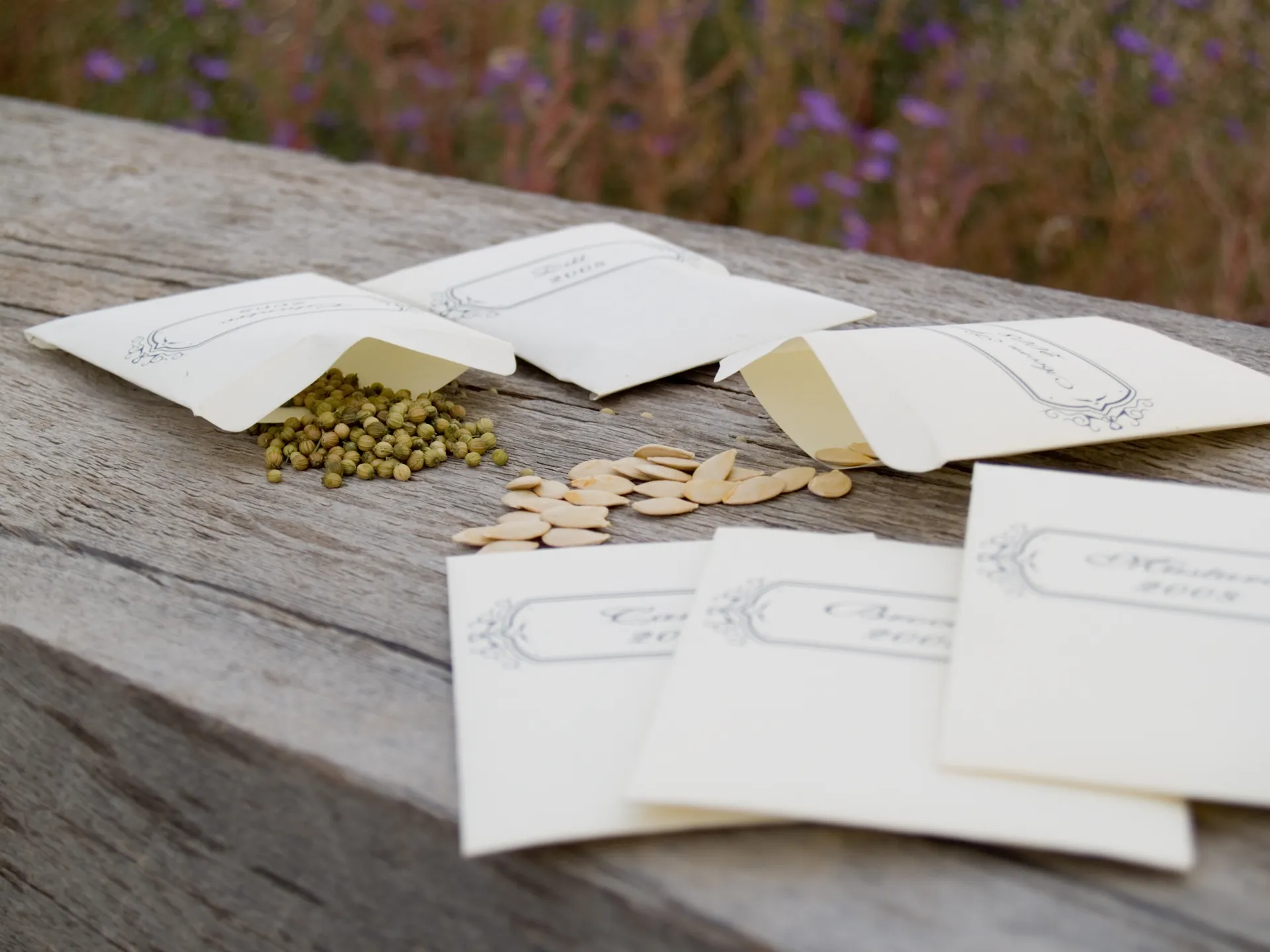
Place seeds in envelopes or small jars, then clearly label:
- plant name
- variety
- harvest date
Good labelling helps other gardeners know exactly what they’re growing.
6. Return to your library
Drop your labelled seeds into the donation box at your nearest Sunshine Coast Library.
Every returned seed helps keep this free community resource thriving.
Summer is a great time to collect warm-season seeds. Here are some easy options for beginners:
🍅 Tomatoes
Let tomatoes fully ripen, scoop out seeds, rinse well and dry.
🫑 Capsicums & Chillies
Choose brightly coloured, fully matured fruit. Slice open and collect the loose seeds from inside.
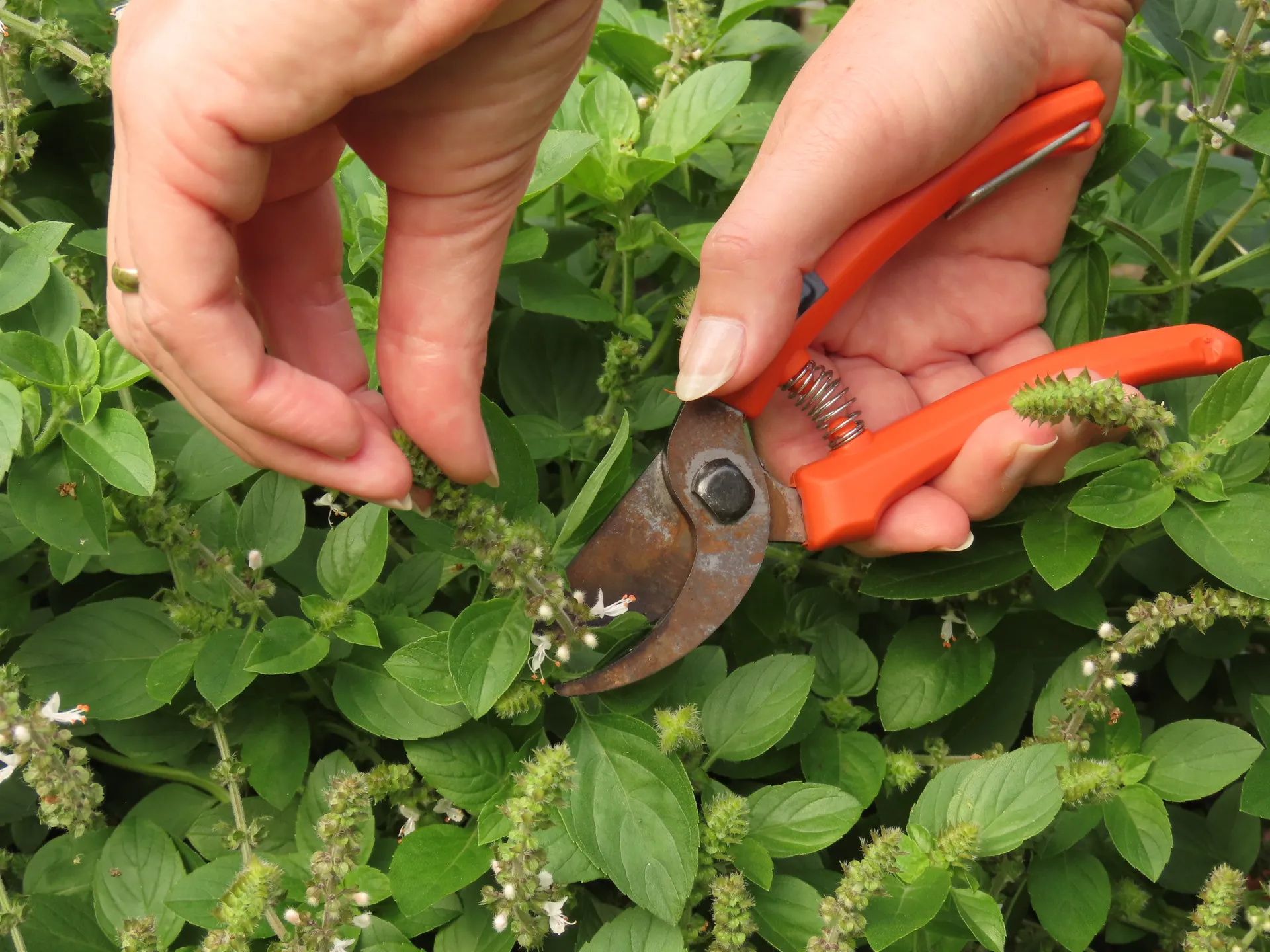
🌿 Basil
Wait until flower heads turn brown and dry. Gently crumble them to remove seeds.
🥒 Zucchini
Let the zucchini grow large and overripe. Cut it open and scrape out mature seeds.
All of these make excellent donations and are favourites with local gardeners.
By donating seeds, you’re helping to:
🌱 Preserve locally adapted plant varieties
🌱 Strengthen community food resilience
🌱 Reduce packaging and waste
🌱 Support a free resource available to all residents
Find more information about the Seed Library on the Sunshine Coast Libraries website.