Sprouted potatoes: safety, storage and growing tips
Learn how to store potatoes to prevent sprouting, what to do when they do sprout, and how to grow new potatoes on a balcony or in a backyard veggie patch.
What to do with sprouted potatoes, and how tostop them sprouting
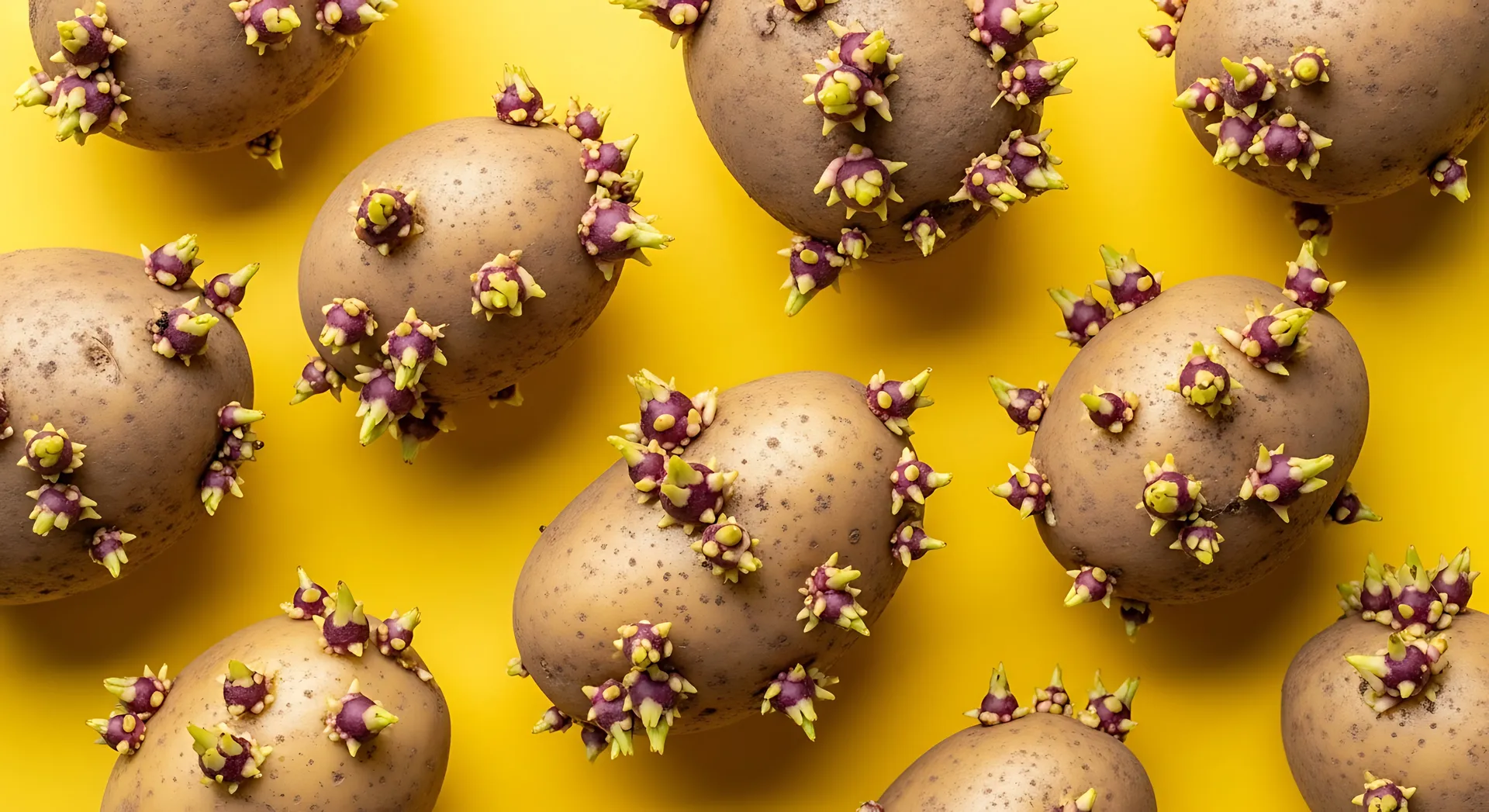
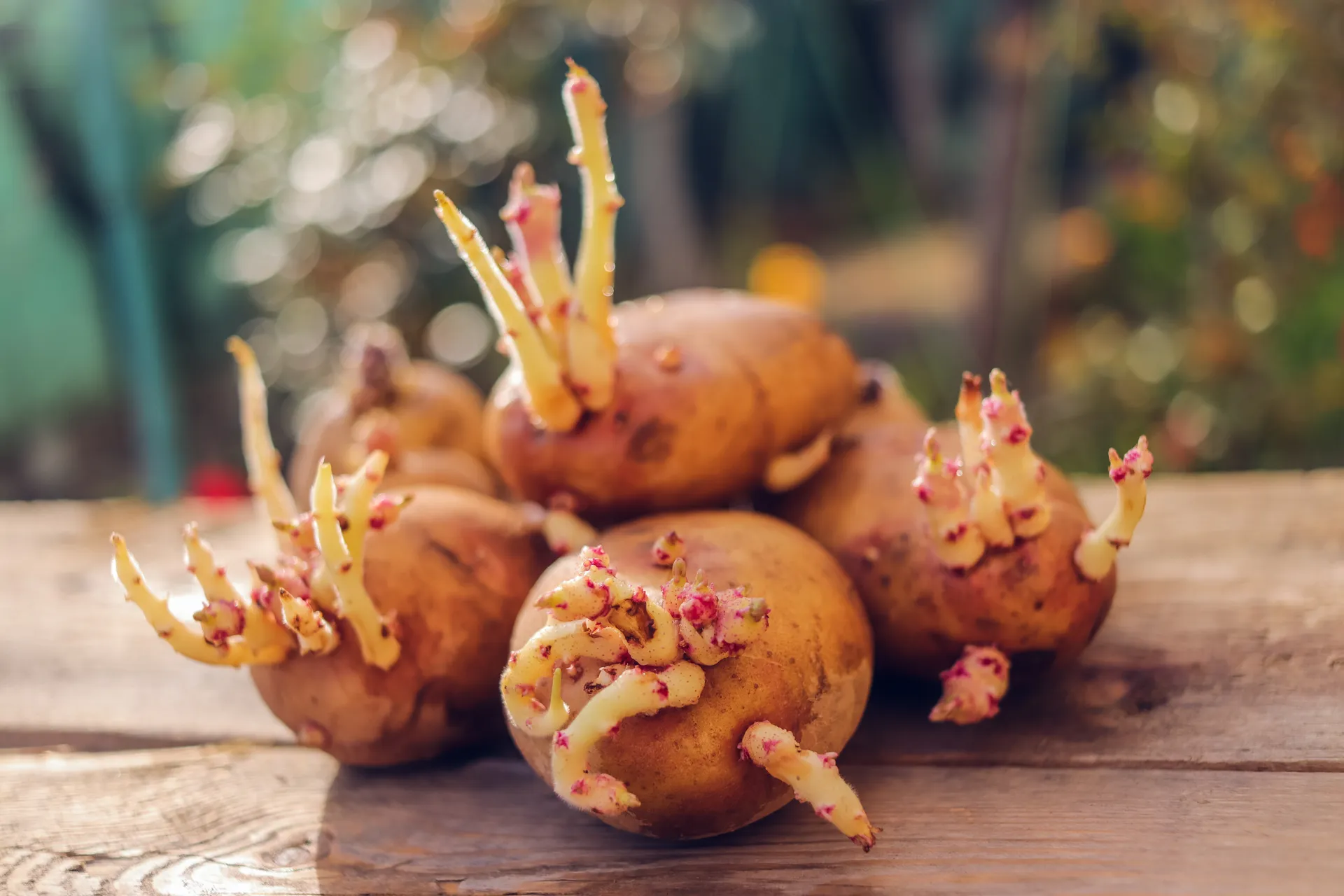
Sprouted potatoes are a common kitchen frustration, especially when a bag sits forgotten in the pantry. Beyond looking unappealing, sprouts and green patches can indicate a genuine food‑safety concern.
This guide explains how to handle sprouted potatoes safely, reduce waste, and grow your own potatoes whether you garden on a balcony or in a backyard.
Are sprouted potatoes safe to eat
Sprouted or green potatoes contain higher levels of glycoalkaloids, natural toxins that can cause nausea, stomach cramps and diarrhoea. These toxins concentrate in the sprouts, eyes and green skin.
You can cut away very small sprouts or tiny green patches, but cooking does not destroy the toxins, and trimming only reduces exposure. If a potato is heavily sprouted or has widespread greening, it is safest not to eat it. There are still options though, so read on.
Smart storage habits to prevent sprouting
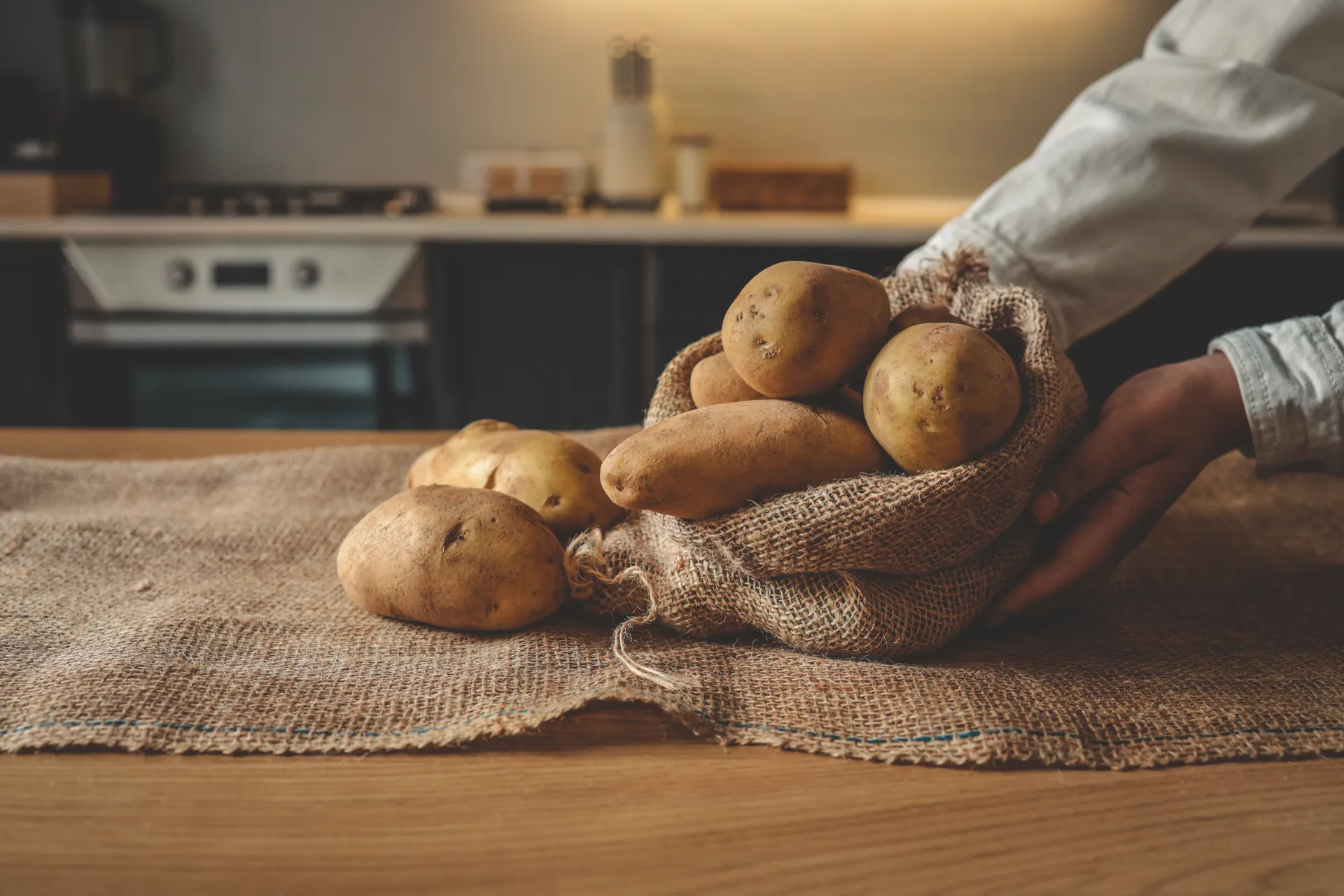
A few simple habits can help keep potatoes fresher for longer:
- buy only what you need
- store potatoes in a cool, dark, well‑ventilated place
- keep potatoes away from onions, as onions release gases that speed up sprouting
- avoid sunlight and heat, which increase greening
- avoid refrigerating raw potatoes, as cold temperatures convert starch to sugar
- wash potatoes only before cooking, as moisture encourages spoilage.
What to do with sprouted potatoes
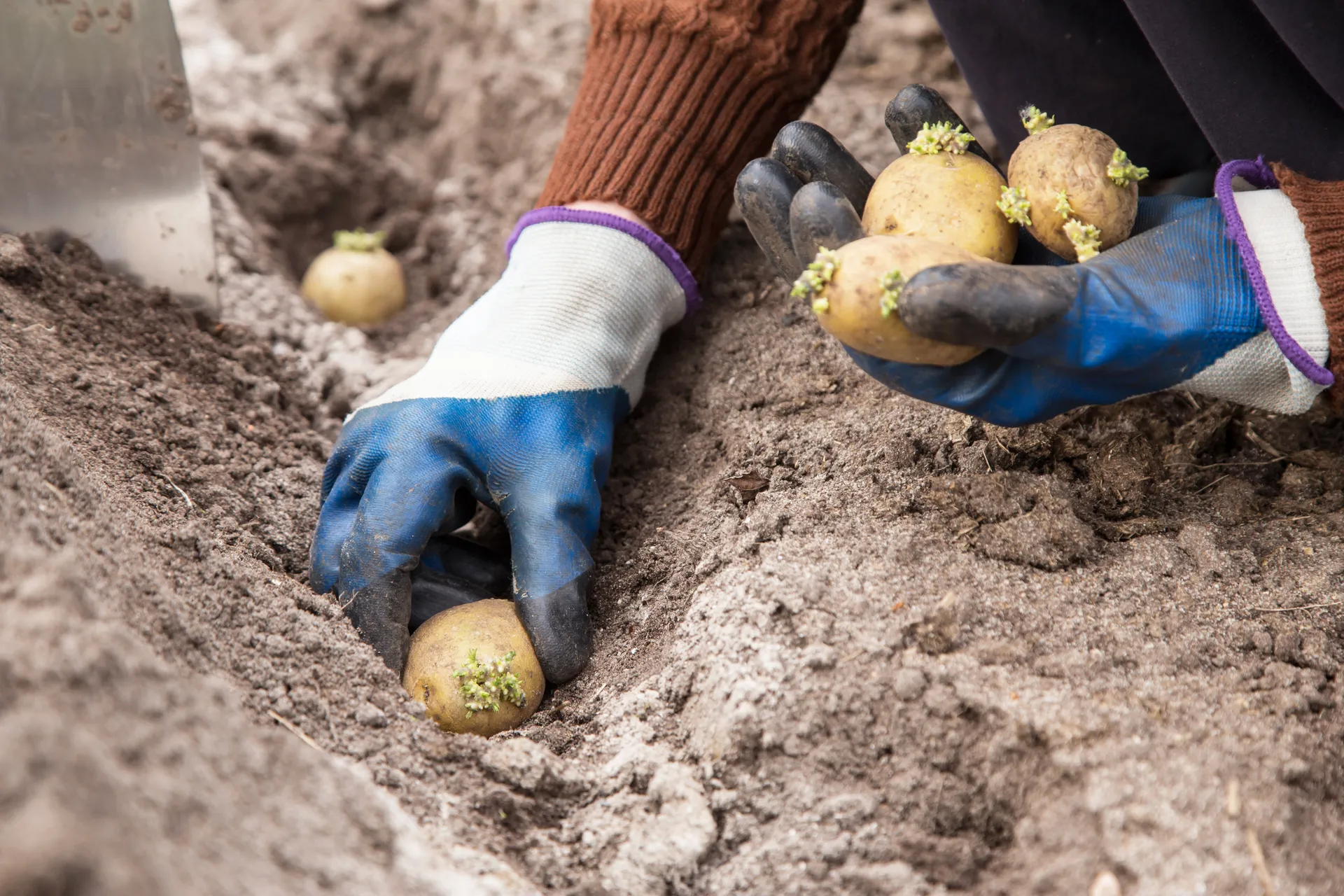
If your potatoes have sprouted but are no longer suitable to eat, you still have useful options:
- plant them
- compost them
- use them for children’s science or plant‑growth projects.
How to grow potatoes from sprouted spuds
Potatoes are forgiving plants and grow well in both small and large spaces.
Balcony gardening: potatoes in pots or bags
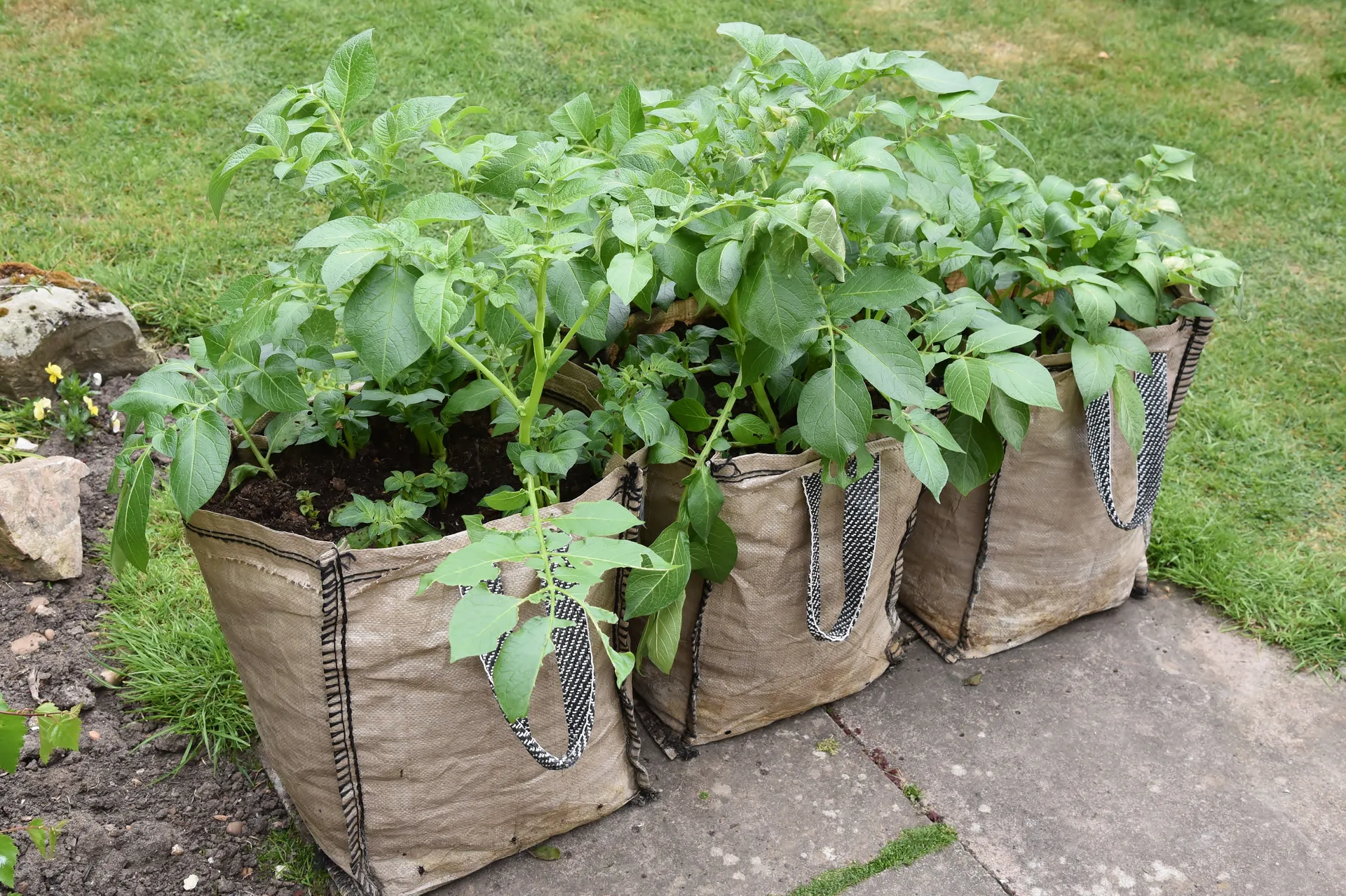
This method suits renters and small outdoor areas.
What you need:
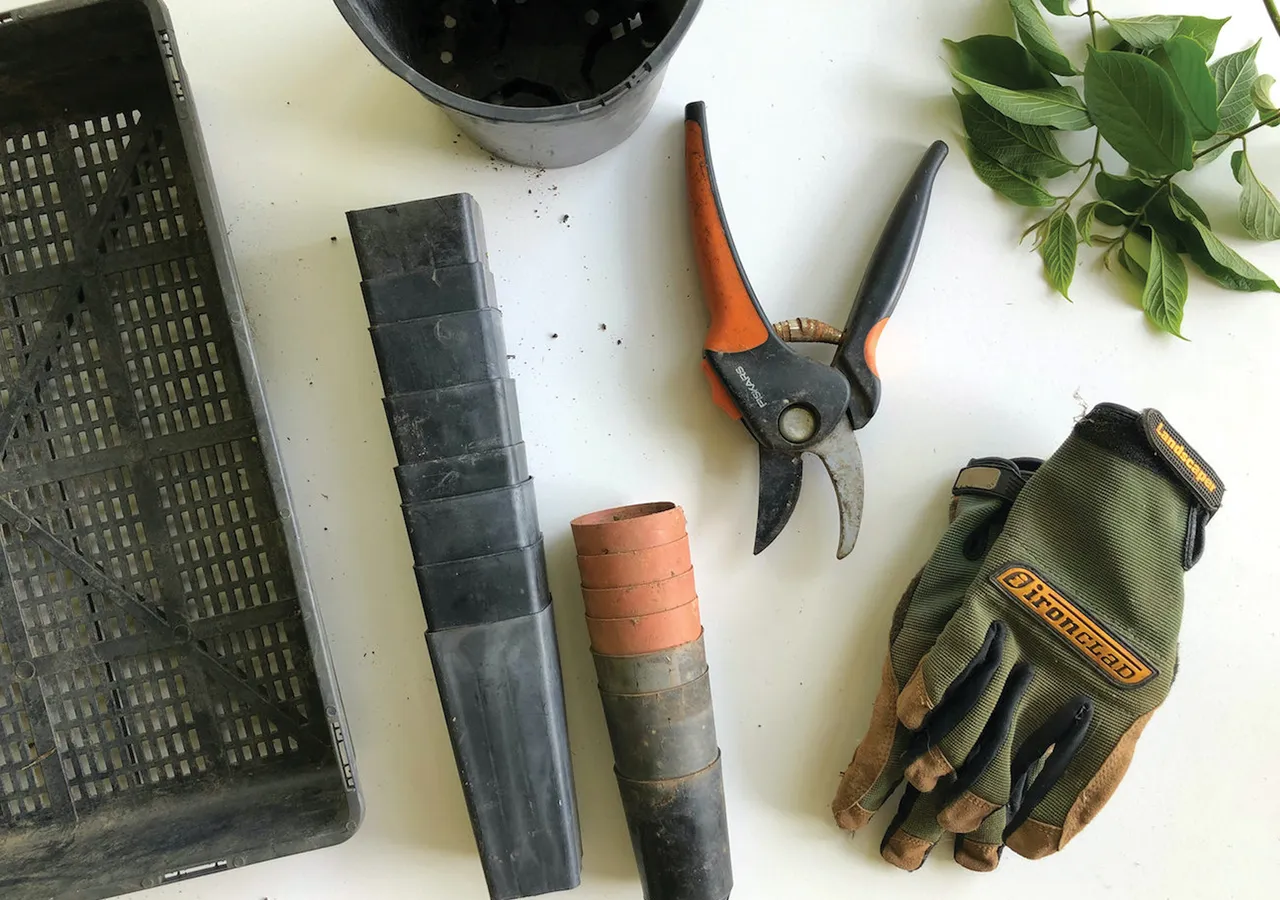
- a large pot or grow bag at least 30–40 cm deep
- good‑quality potting mix
- sprouted potatoes cut into chunks with one or two sprouts each, left to dry for 24 hours.
How to plant:
- fill the container one‑third with potting mix
- place potato pieces sprout‑side up
- cover with about 10 cm of soil
- add more soil around the stems as the plants grow to encourage more tubers
- keep the soil moist but not waterlogged
- harvest when the foliage yellows and dies back.
Containers also help reduce pest issues and can be moved to follow the sun.
Veggie patch gardening: potatoes in the ground
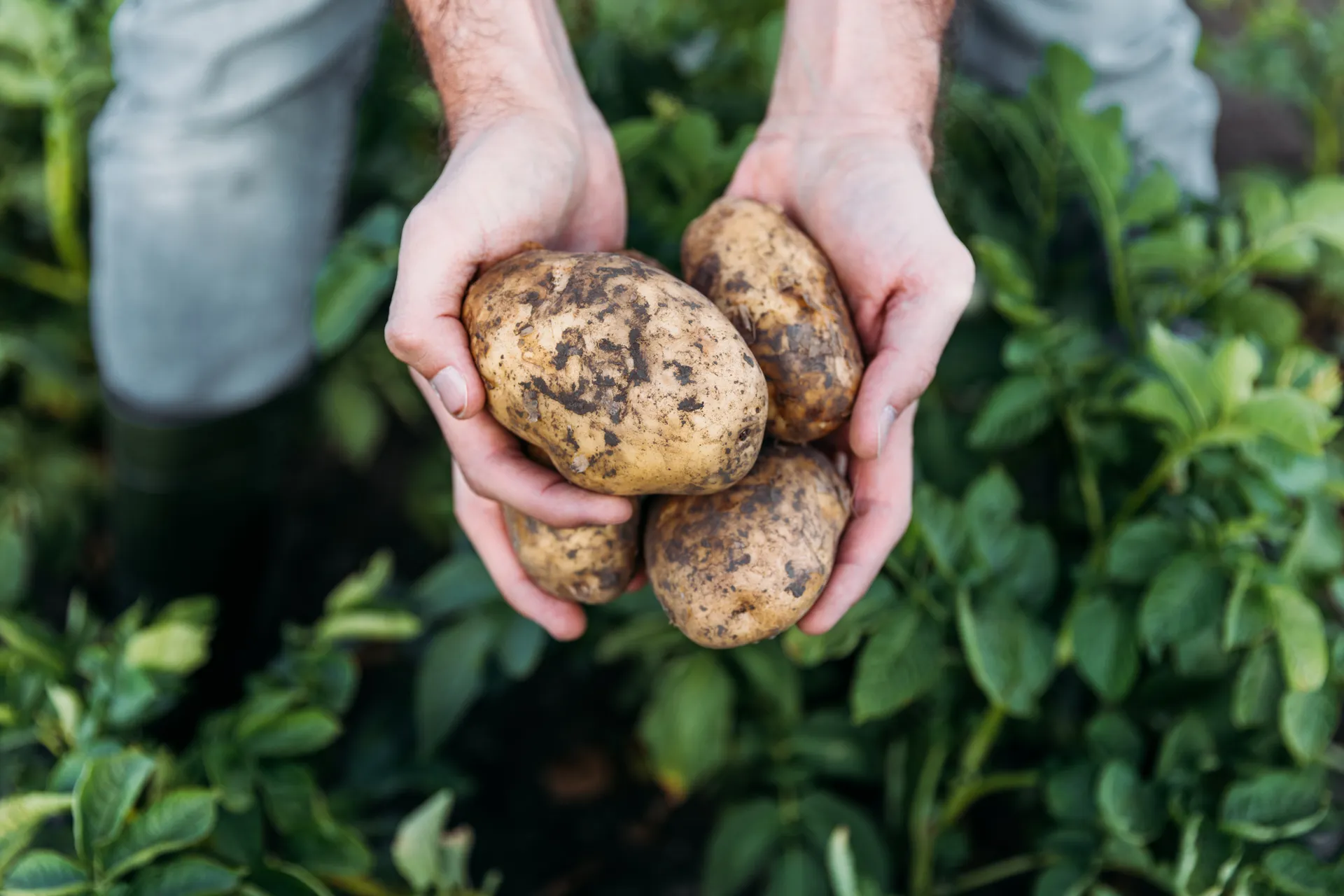
This method suits gardeners with more space and produces larger harvests.
How to plant:
- choose a sunny spot with loose, well‑drained soil
- dig trenches 10–15 cm deep
- place potato pieces 30 cm apart, sprouts facing up
- cover lightly with soil
- mound soil around stems as the plants grow to prevent greening and increase yield
- water consistently, especially during flowering
- harvest once the tops die back.
Rotate potato beds each year to reduce the risk of soil‑borne diseases.
Categories: