How to create a waterwise home

From the source to your tap, being waterwise starts with you! Save energy, money and the environment with these top tips
From the source to your tap, being waterwise starts with you!
Water typically is collected from a natural water source and then goes through pumps, treatment and pipes before it is delivered to your home. Find out more about water’s journey (PDF, 1 MB). Looking after the water source is important, and so is using water wisely. Ensuring you are waterwise in your home (PDF, 185 KB), as well as in the garden (PDF, 564 KB) and in the workplace, can help safeguard our precious water supplies for the future.
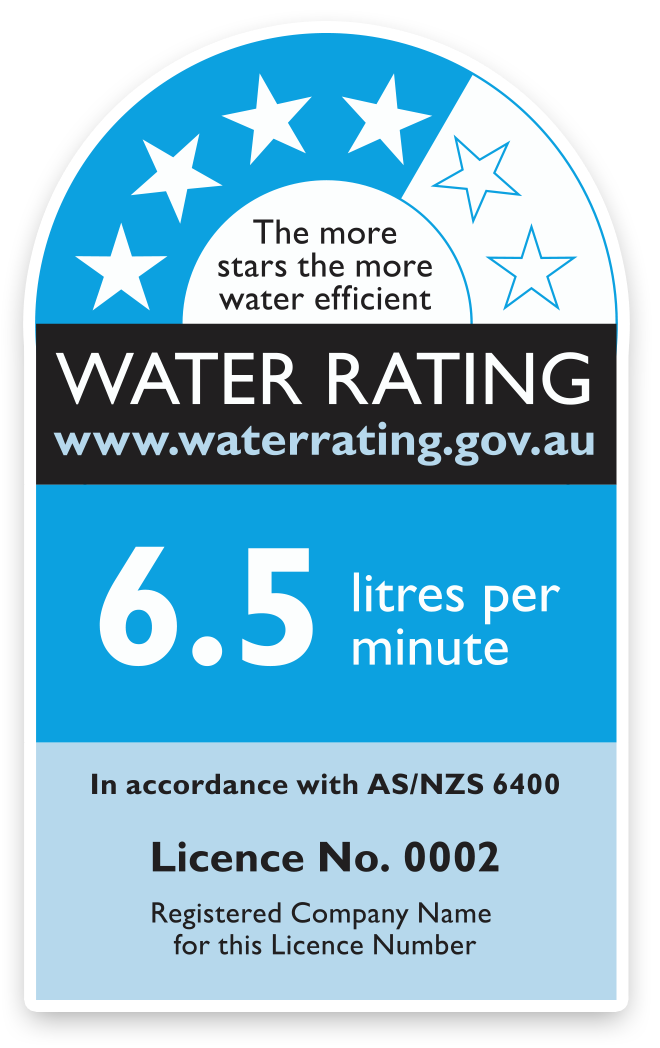
One of the top ways to be waterwise is by having water efficient fittings and appliances (i.e. with a Water Efficiency and Labelling Standards (WELS) Scheme star rating of 3 stars and higher). A 4 star WELS rating washing machine will save more than 3 buckets of water per load compared to a 3 star washing machine. Another top tip on being waterwise is to do a water audit to identify any leaks in your home.
By using water wisely you will save:
- energy: it takes energy to heat water. The less water you use, the less energy you use.
- money: if you are billed for the amount of water you use, you can save money by reducing the amount of water you use.
- the environment: more water will be kept in our ecosystems where plants and animals need it to thrive. Also, if less water is used, less treated wastewater will be discharged into our rivers and oceans
How much water do you use?
Knowing how much water you use, and understanding the ways you use water can help you find ways to become more waterwise. Check out our water savings tips for your home (PDF, 519 KB) or do a simple waterwise quiz (PDF, 174 KB) to help find ways to become more waterwise.
There are a few simple ways to find out how much water your household uses:
- Check your water rate notice. This will show your household’s daily water consumption and an average figure for households in your area.
- Learn how to read your water meter to check for leaks (PDF, 576 KB) at your property.
- Be a water detective and undertake a home water audit (PDF, 741 KB) .
Once you know how much water you use, contact your local council to find out whether there is a voluntary water target in your local area. If one doesn’t exist, set your own! Your aim is to use less water, so make sure you set an achievable target.
Find out more
- Refer to this guide for more information about waterwise in each room of your home.
- Find out more about the water rating labels regulated under the Water Efficiency and Labelling Standards (WELS) Scheme .
- Discover what makes a waterwise home (PDF, 519 KB) .
- Learn more about water leaks .
- Read more about water’s journey (PDF, 1 MB) or view this short animation .
- Do you want to be a waterwise gardener? Go to the waterwise gardening web pages to find out more.
- Find out how you can be waterwise at work .
Waterwise home
In this guide:
Article shared from Queensland Government website
Categories: