Bike Maintenance 101: guide for a smooth ride
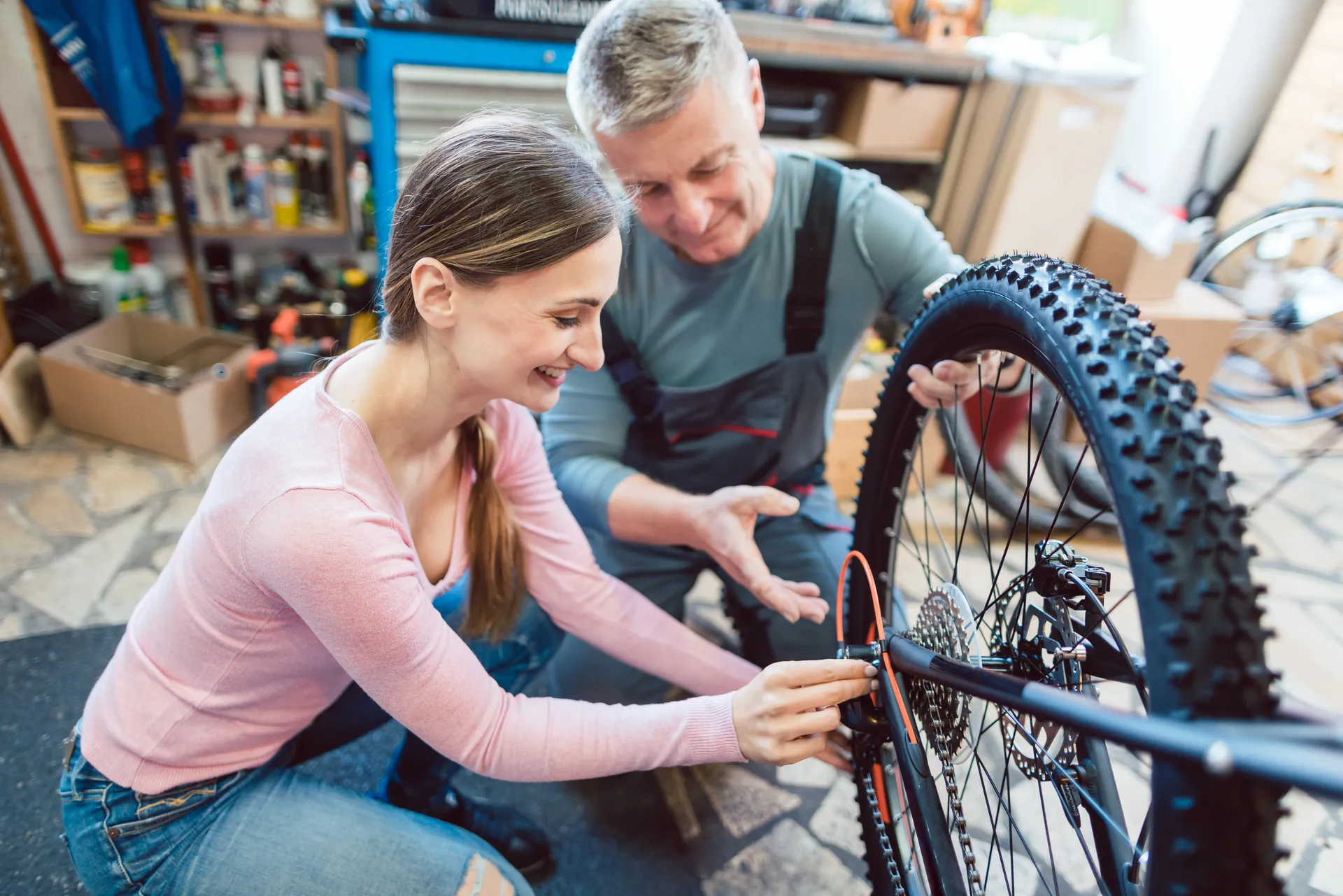
It's Biketober - there's still time to dust off your ride and give it a good once over
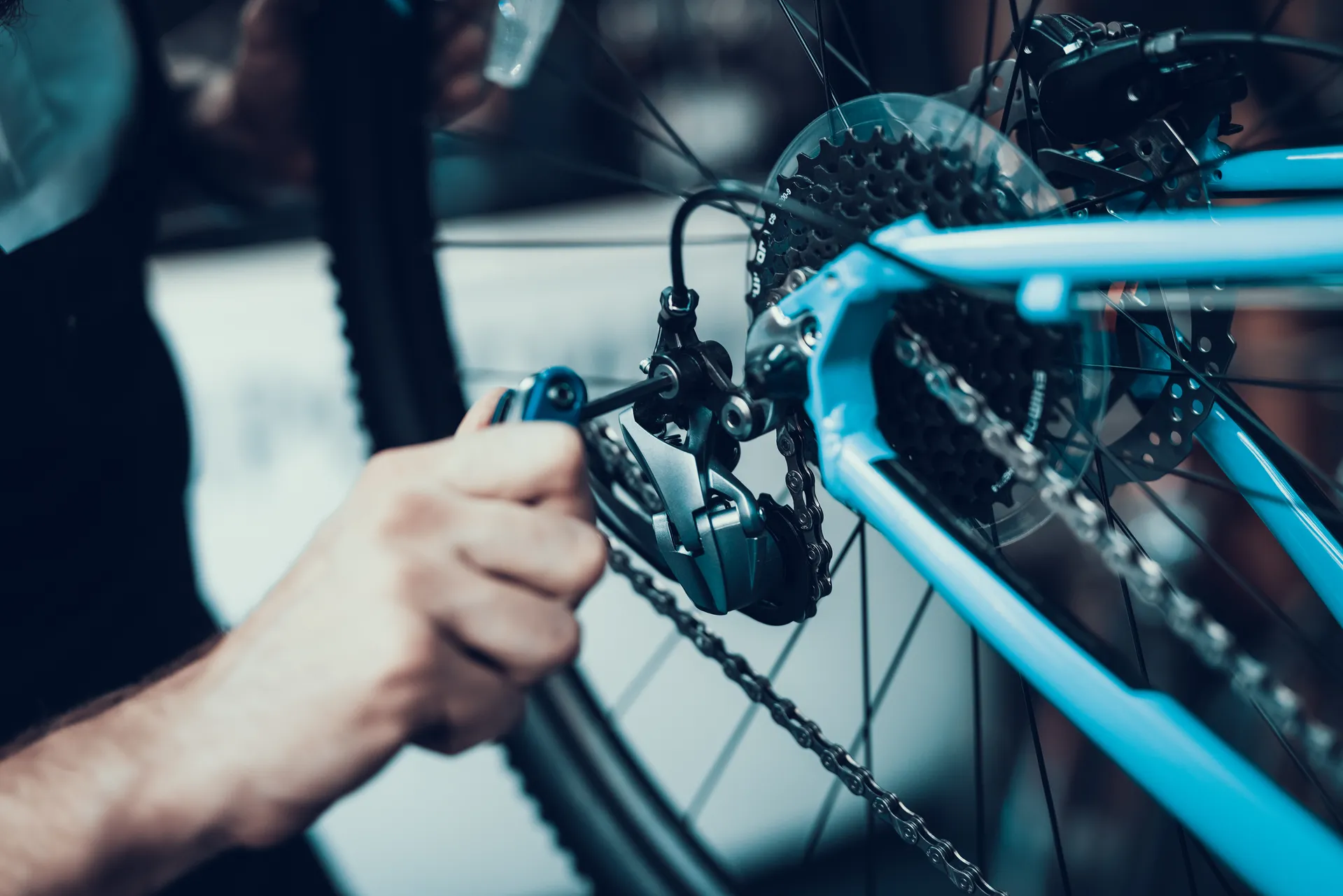
Before you mount up, run a quick inspection to catch any issues early. This should include checking tyre pressure, brake function and the chain condition.
Pre-ride inspection: the M-check every time
The M-check is a simple, visual and hands-on bike safety inspection you can do before every ride. It’s called the M-check because the pattern you follow across the bike – starting at the rear wheel, up to the saddle, down to the pedals, up to the handlebars, and down to the front wheel – traces the shape of a letter M.
- check tyre pressure and look for cuts or embedded debris
- squeeze both brakes and ensure they grip firmly
- spin the pedals backward and check the chain for rust, stiffness or slack
Cleaning and lubrication: keeping your drivetrain healthy
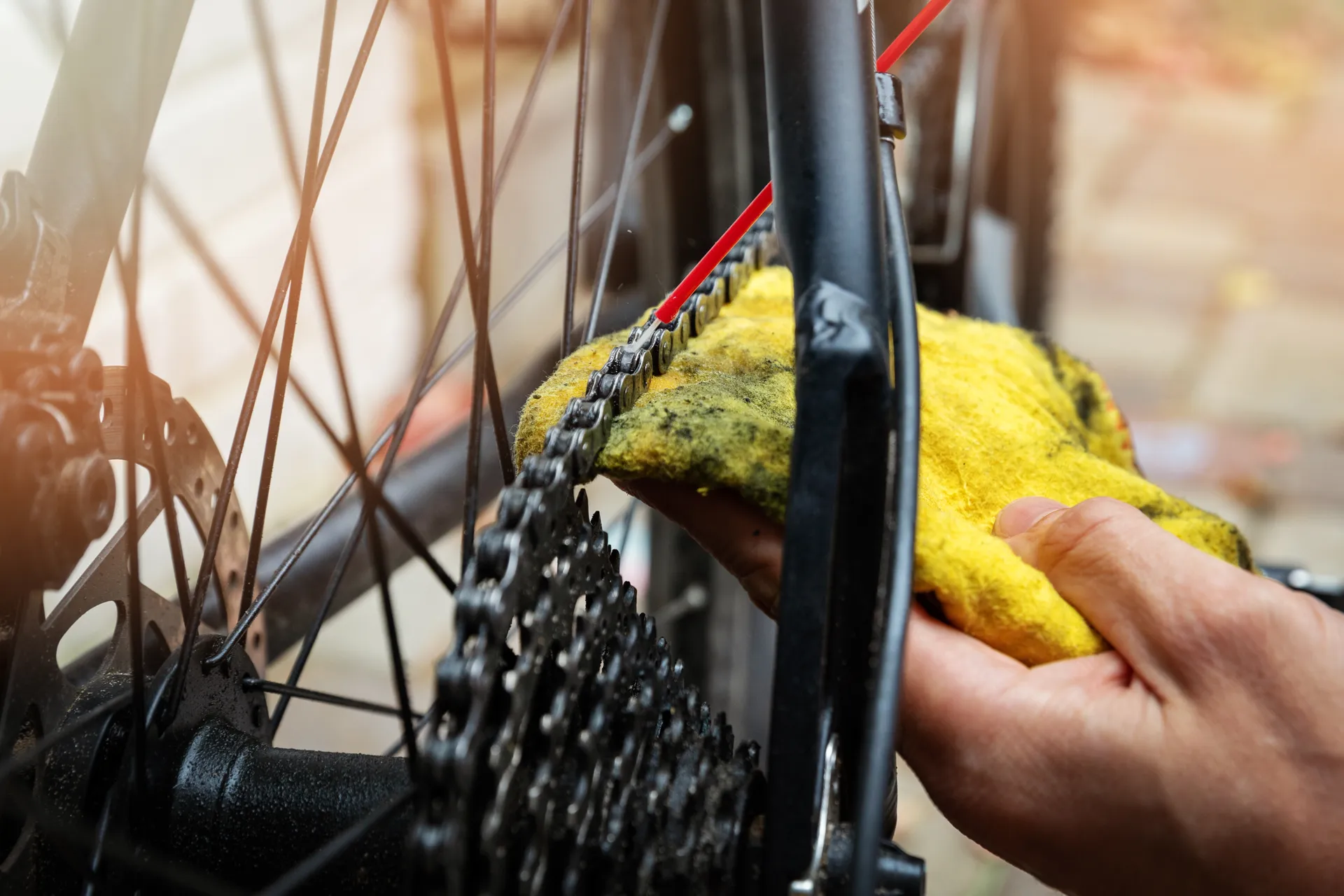
A clean, well-lubricated drivetrain (chain, cassette and chainrings) ensures smooth shifting and prevents wear.
- rinse your bike gently with low pressure, avoiding high-powered jets that can force water into bearings
- apply degreaser to the chain and cassette, scrub with a brush, rinse and dry thoroughly
- apply lubricant sparingly to chain links while turning the pedals backward, then wipe off any excess to prevent grit build-up.
Tyres and wheels: safety starts at the ground
Tyres and wheels are your contact with the road or trail, so regular care is essential.
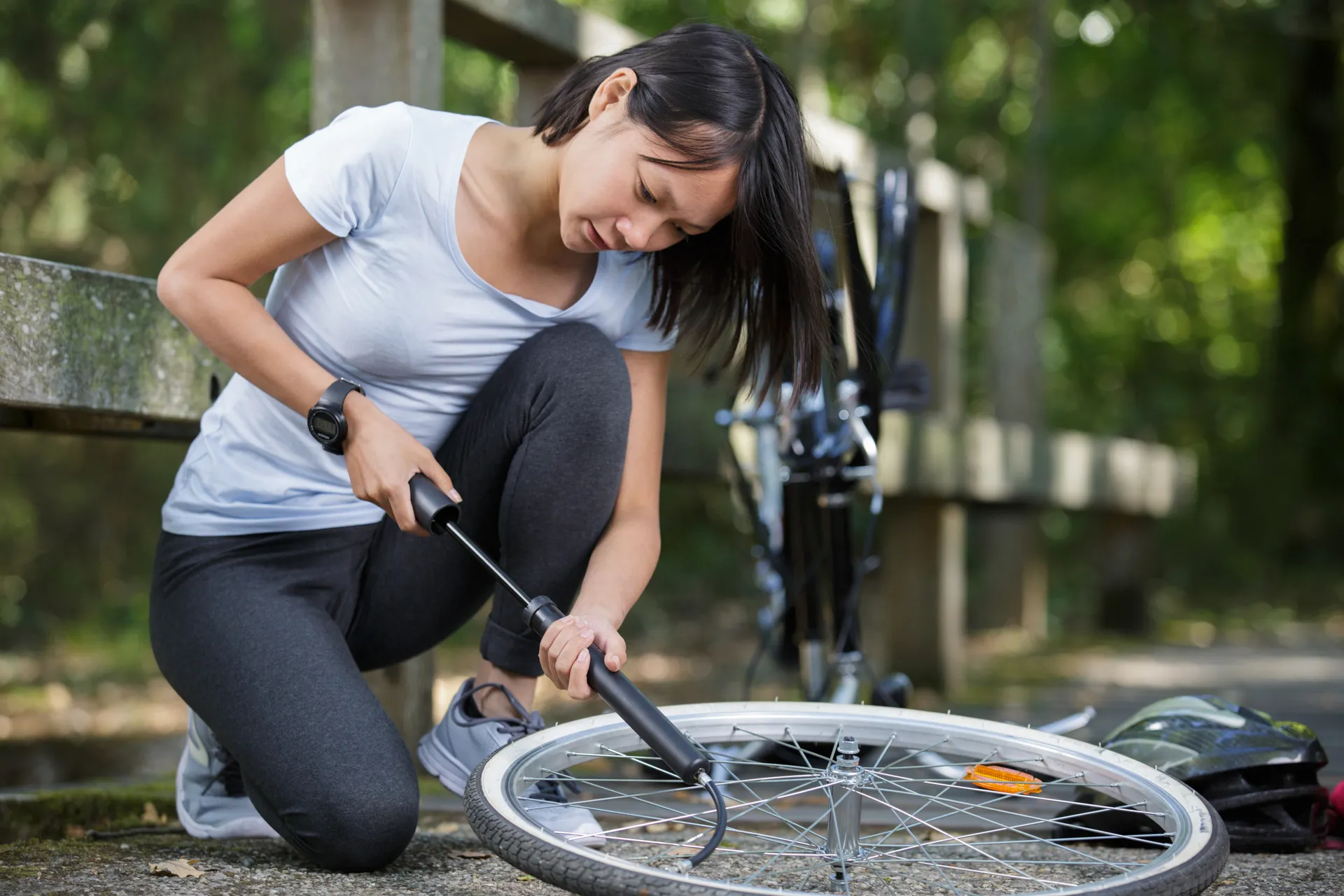
- inflate tyres to the pressure recommended on the sidewall (this differs for road and mountain bikes)
- inspect wheels for wobbles, loose spokes or damage
- have a professional check wheel alignment if needed.
Brakes and gearing: ensuring control and performance
Reliable braking and smooth gear changes make every ride safer and more enjoyable.
- inspect brake pads and rotor or rim surfaces; replace pads when worn or if braking feels soft
- check gear cable tension and derailleur alignment; slow or noisy shifting often signals an adjustment is needed.
Bolts, contact points and comfort: fine-tuning your ride
Small details make a big difference to comfort and control.
- tighten bolts on the stem, handlebars, saddle post and pedals; use a torque wrench where possible
- check saddle height – your leg should be almost straight at the bottom of the pedal stroke
- ensure handlebars are aligned and grips secure.
Maintenance schedule: how often should you do this?
Consistency keeps your bike performing well and avoids costly repairs.
- before every ride: quick M-check of tyres, brakes and chain
- weekly (or after wet or dusty rides): clean and lubricate the chain, check tyres and bolts
- monthly: deep clean, degrease drivetrain, check for wear on the chain, cassette and brake pads
- annually: full professional service for bearings, wheels and suspension if fitted.

When to seek professional help
Some tasks are best left to the experts.
- if bearings in hubs, bottom bracket or headset feel rough or noisy
- if shifting skips even after adjustments – parts may be worn
- if you’re unsure about torque settings on carbon frames or disc brakes.
Further reading (Australia)
- Bicycle Network – Bike maintenance basics
- CyclingTips – How to clean and lube your chain
- Bicycle Queensland – Simple bike maintenance guide
- RACQ – Cycling safety and maintenance tips
A little regular care goes a long way. A few minutes each week on bike maintenance will boost safety, extend your bike’s lifespan and you'll enjoy a smoother, more confident ride every time.
Categories: