March seasonal gardening guide – Subtropical Queensland
This March, gardening plays an even bigger role than usual. From rain events to fuel supply disruptions, growing even a small amount of your own produce can help food security.
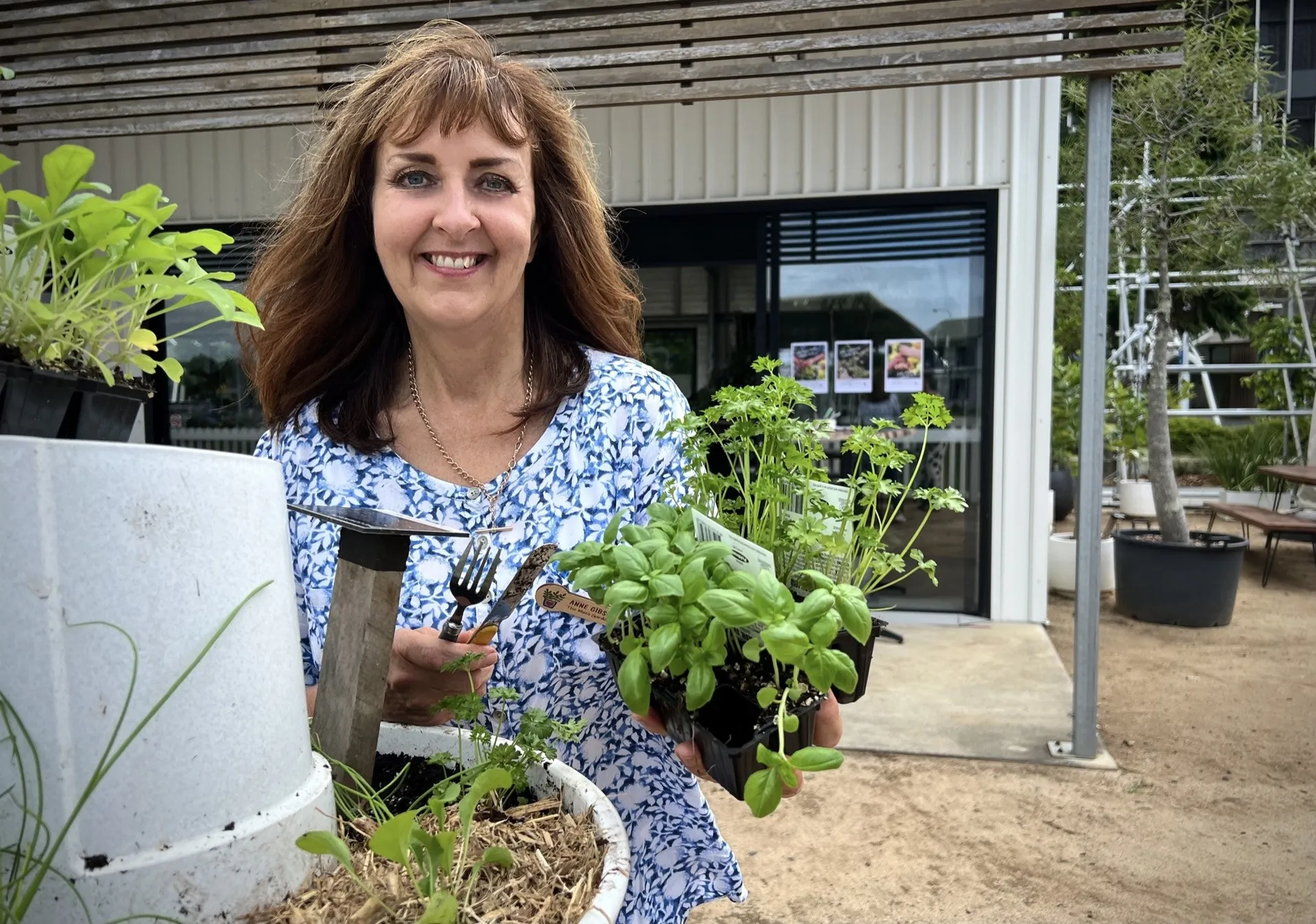
Anne Gibson is The Micro Gardener and each month she shares her wisdom to help everyone grow healthy, sustainable gardens.
Anne's advice
Recent rain across the Sunshine Coast has delivered lush growth in many backyards – and in many cases, an explosion of weeds.
Some gardeners have also faced flash flooding, waterlogged soil and stressed plants. When it’s hot and humid, it can feel hard to keep up with pruning, pest control and lawn growth.
But there’s good news. All that moisture creates a natural reservoir in your soil, helping reduce watering costs in the weeks ahead. Many summer crops are still producing strongly, so now is the time to harvest, preserve and store what you can.
Why March matters for gardeners
A time for harvesting, composting and planning
March is a transition month. While temperatures begin to ease slightly, humidity usually remains high. You may notice many annual crops starting to bolt to seed – a valuable chance to save your own seed for future crops that are naturally adapted to your backyard conditions.
It’s also an ideal time to:
- build compost
- feed your worm farms
- recycle summer growth into organic matter
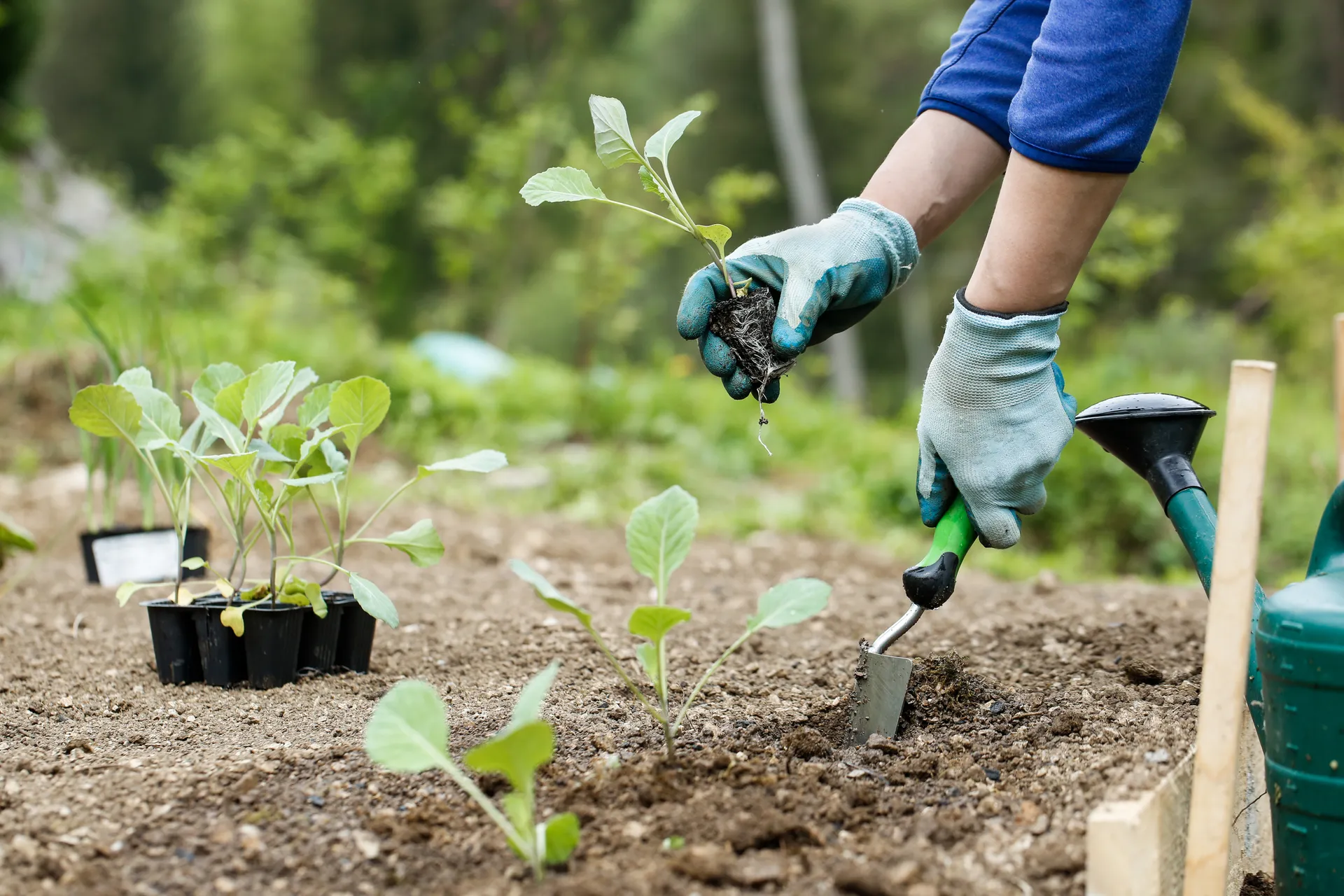
- prepare beds for autumn planting
Healthy soil is the foundation of a healthy garden, especially when weather extremes threaten food supplies.
What to plant in March
Many heat-loving crops are still thriving. If you already have these growing, keep harvesting and managing pests:
- pumpkins
- sweet potatoes
- sweet corn
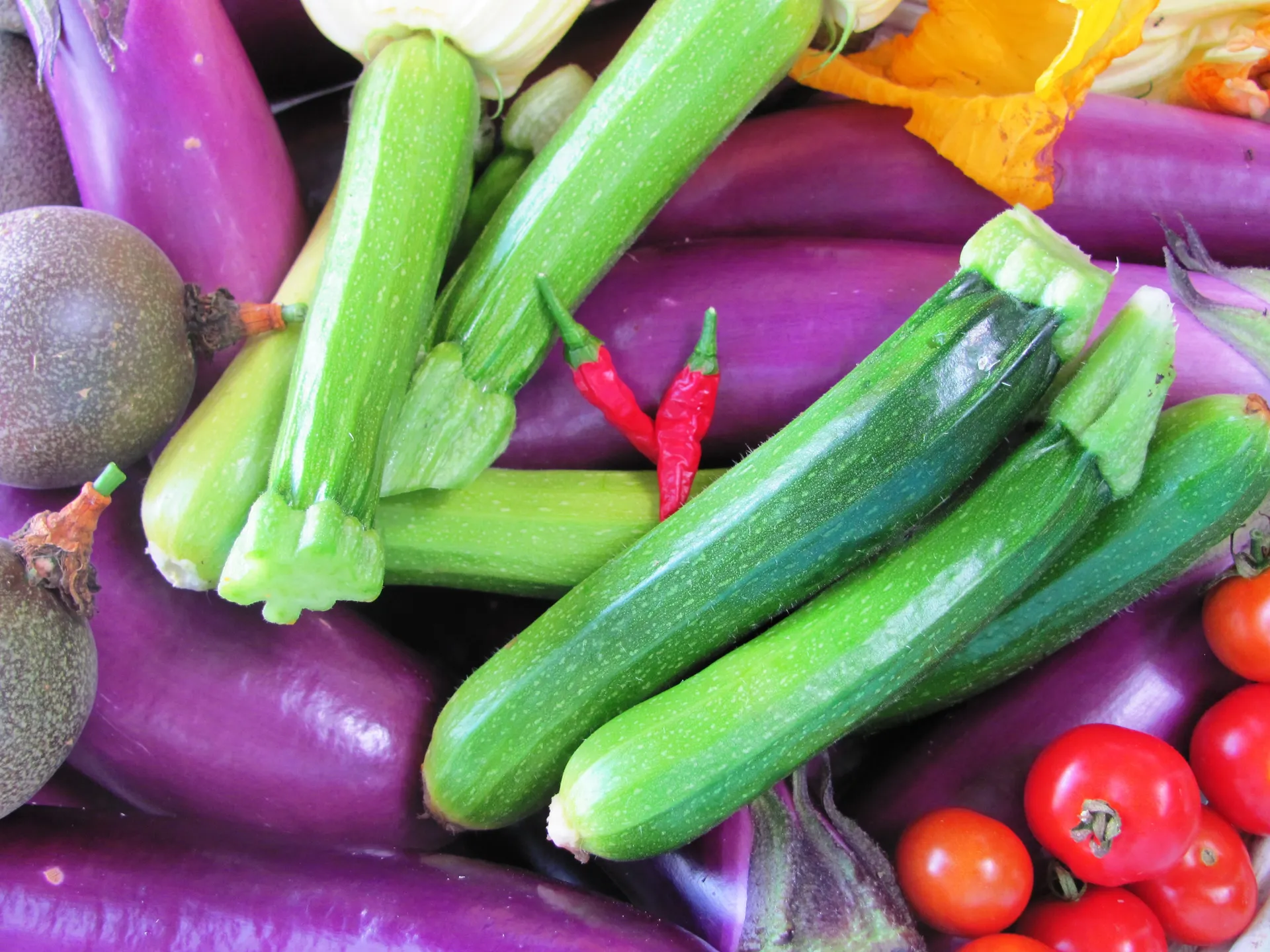
- eggplant
- tomatoes
- cucumbers
- capsicums
- zucchinis
- perennial spinaches (Suranim, Brazilian, Sambung, Okinawa, Ceylon)
- passionfruit
If outdoor gardening feels too hot, use the time to plan winter meals and plantings.
Plant now or prepare to plant:
- garlic
- radishes
- carrots
- strawberries
- seed potatoes
- peas (start sourcing seeds now)
- beans (bush varieties first, then climbers like snow peas and sugar snaps)
For more detail on timing, refer to the Subtropical Planting Guide.
Issues to watch out for
High humidity
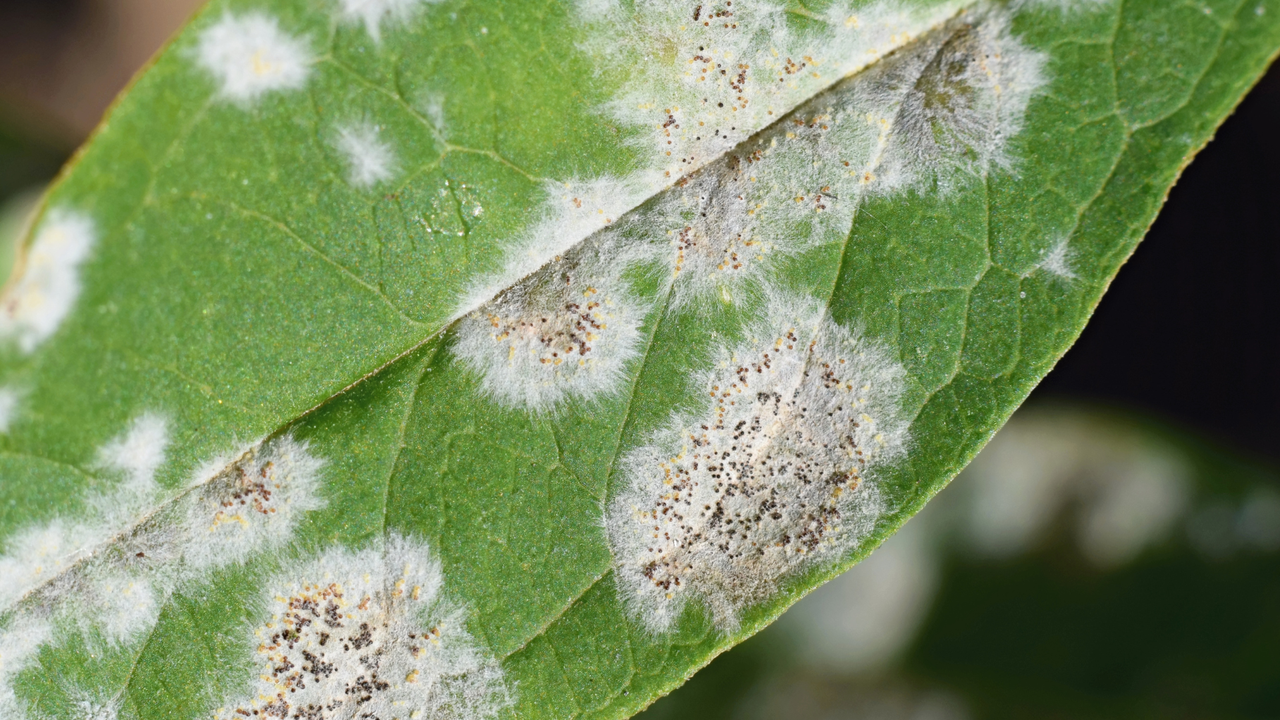
Creates ideal conditions for powdery mildew, especially on:
- cucumbers
- pumpkins
- zucchinis
- squash
- melons
Remove affected lower leaves and liquid feed to encourage new growth. Organic options like cooled strong chamomile tea or Eco‑fungicide may help slow the spread.
Inactive or exhausted soil
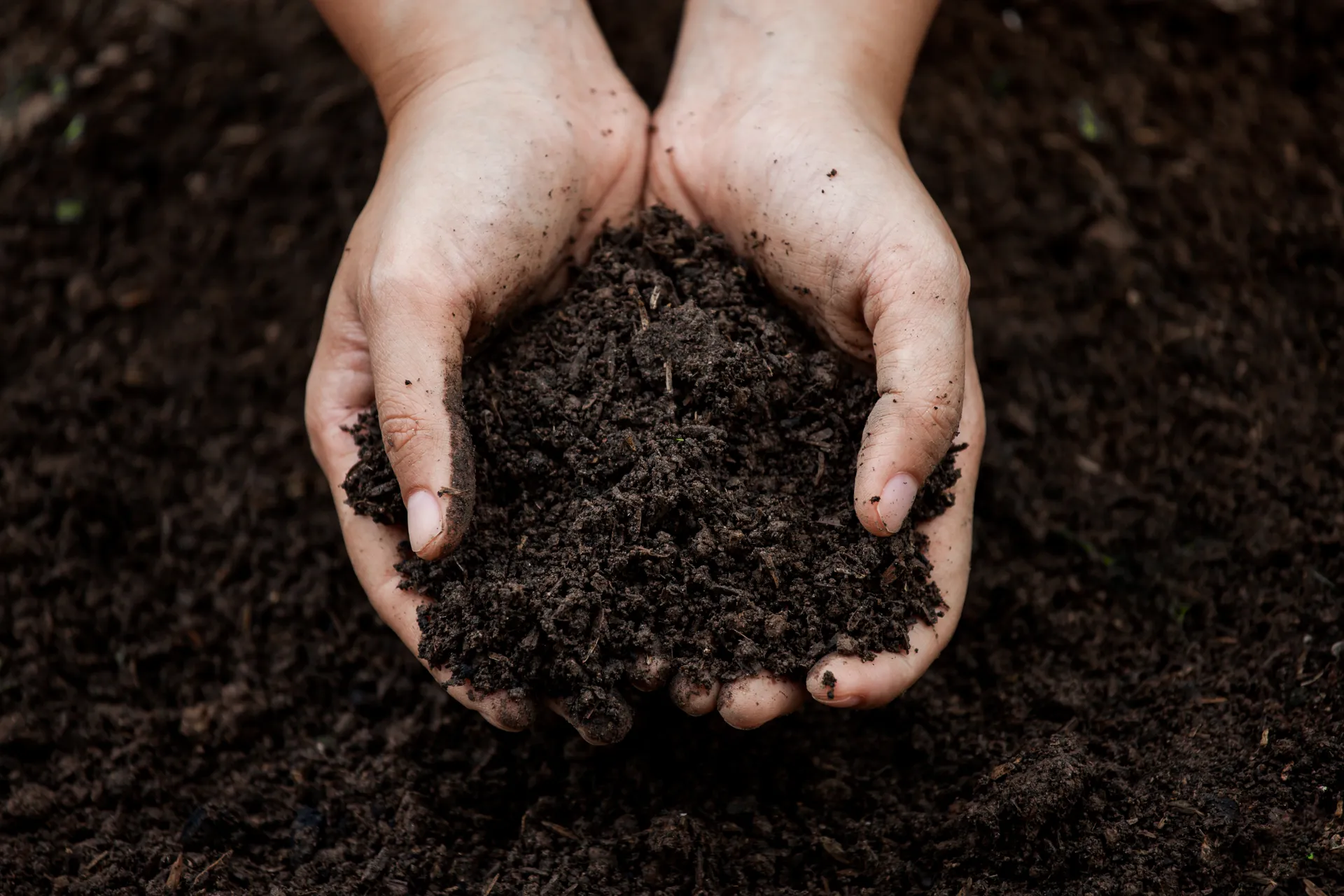
Old potting mix or nutrient‑poor soil won’t support healthy growth. Refresh containers with:
- compost
- worm castings
- quality organic fertiliser
Nutrient loss from heavy rain
Rain can wash nutrients away. Watch for pale or streaky leaves. Top up with:
- compost
- pelletised organic fertiliser
- diluted worm leachate
- liquid seaweed
Citrus leaf miner
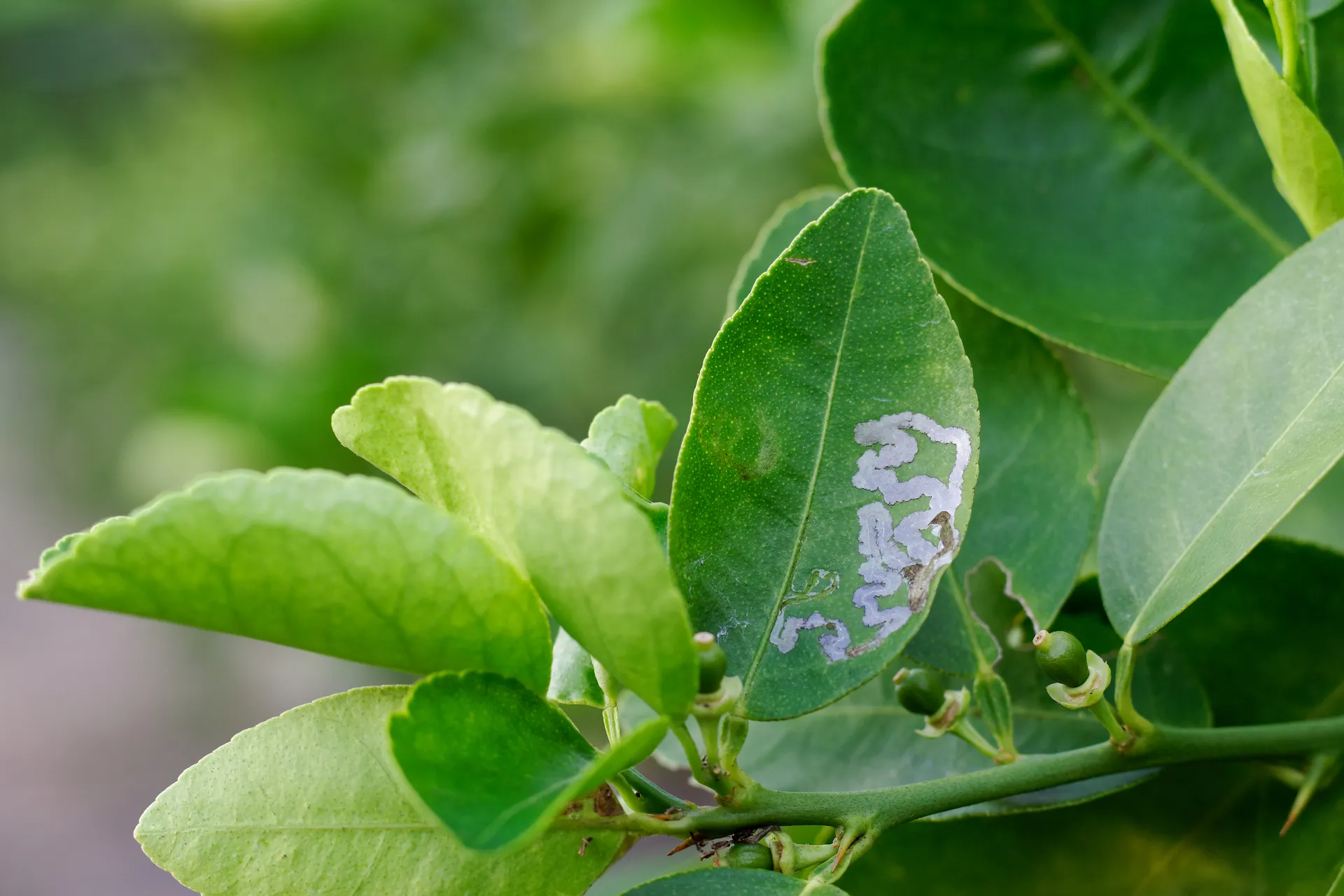
Targets new citrus growth. Remove damaged leaves early and dispose of them. Commercial traps can help reduce damage.
Insect pests
Grasshoppers, caterpillars, aphids, scale and 28‑spot ladybirds remain active in warm, moist weather.
Check:
- under leaves
- around new shoots
- for ants or ladybirds signalling sap‑feeding pests
Hand‑remove insects where possible and use natural control methods.
Suggested gardening tasks
- fertilise fruit trees to support fruit set
- maintain fruit fly controls and remove fallen fruit
- grow crops in portable pots to manage microclimates
- desucker bananas, add compost and liquid feed; bag any bunches
- mulch to hold moisture and regulate soil temperature
- strike semi‑hardwood perennial cuttings (new moon phase gives best vigour)
- rotate crops to disrupt pest and weed cycles
- train passionfruit vines up vertical supports
- provide shade for vulnerable crops
- harvest promptly to protect from insects and wildlife
Anne Gibson
Anne Gibson, The Micro Gardener, shares her subtropical gardening advice to help you manage pests, protect your crops and grow food suited to our Sunshine Coast climate.
Helpful gardening guides
For planting times, pest alerts and task calendars, see Anne's:
- Subtropical Planting Guide – laminated and double‑sided
- Moon Calendar Gardening Guide – for precise dates on planting, fertilising and propagation
Follow Anne on Facebook, Pinterest, Instagram and Substack
[email protected] and on her website
themicrogardener.com